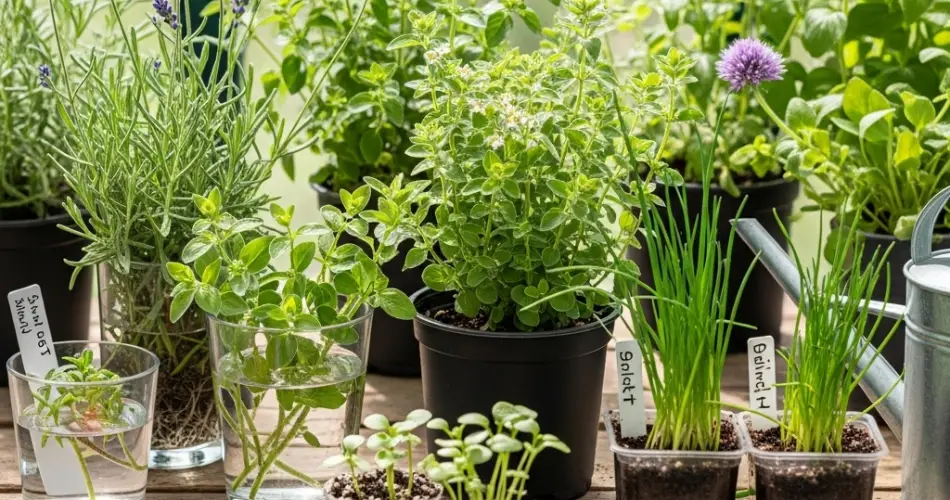
Aromatic herbs are a staple in any kitchen or garden—not only for their delightful scents and culinary value but also for their beauty and ease of cultivation. The best part? Many of these herbs can be propagated quickly and easily from simple cuttings. No seeds, no complicated equipment—just a few basic tools and a little patience.
Whether you’re working with basil, mint, rosemary, oregano, or thyme, this guide will show you how to propagate your favorite herbs successfully and get them to root in just a few days.
Why Propagate Herbs from Cuttings?
Propagation from cuttings has several key advantages:
-
Faster results: Unlike seeds, cuttings grow into mature plants much quicker.
-
Cost-effective: A single plant can give rise to many more without the need to buy seeds or new seedlings.
-
Preserves desirable traits: Cuttings are genetic clones of the parent plant, which is useful if you want to maintain specific aroma, size, or growth habits.
Best Herbs for Propagation
Some herbs are especially well-suited for propagation through cuttings. These include:
-
Basil
-
Mint
-
Oregano
-
Rosemary
-
Thyme
-
Lemongrass
-
Sage
These herbs have soft or semi-woody stems that root easily in the right conditions.
What You’ll Need
To propagate herbs successfully, you’ll need:
-
Healthy, mature herb plants
-
Clean, sharp scissors or pruning shears
-
Small containers or jars
-
Clean water
-
Potting soil (for transplanting)
-
Optional: Rooting hormone and a spray bottle
Step-by-Step Guide: How to Propagate Aromatic Herbs
1. Select and Cut the Stem
Choose a healthy, non-flowering stem from your herb plant. The stem should be at least 10 cm (4 inches) long and free from pests or damage.
Using clean scissors or shears, cut just below a node (the point where leaves attach to the stem). This is where roots are most likely to form.
2. Remove Lower Leaves
Carefully remove the leaves on the lower half of the cutting. This prevents the submerged leaves from rotting in water and directs the plant’s energy toward root development.
Leave a few small leaves at the top to continue photosynthesis.
3. Place in Water
Fill a small jar or glass with clean, room-temperature water. Place the cuttings in the jar so that the nodes where the leaves were removed are submerged. Make sure the remaining leaves are above the waterline.
Place the jar in a warm area with plenty of indirect sunlight. Avoid direct sun, which can stress the cuttings.
How Long Until Roots Form?
Roots typically begin to form within 5–10 days, depending on the herb and environmental conditions. Mint and basil tend to root the fastest, often within a week. Rosemary and thyme may take a bit longer, especially if the stems are woody.
Change the water every 2–3 days to keep it fresh and prevent bacterial growth. You’ll notice roots developing from the submerged nodes. Once the roots are at least 2–3 cm (about 1 inch) long, the cutting is ready to be planted.
Transplanting Cuttings to Soil
Once your herb cuttings have developed roots, it’s time to move them into soil.
-
Fill a small pot with a well-draining potting mix suitable for herbs.
-
Use your finger or a pencil to make a hole and gently insert the rooted cutting.
-
Lightly cover the roots and press the soil gently around the base.
-
Water carefully to settle the soil and keep it moist, but not soggy.
Keep the newly potted herb in a partially shaded spot for a few days as it adjusts. Once established, move it to a sunnier location or continue growing it indoors.
Tips for Success
-
Use soft, young stems: These root more easily than older, woody ones.
-
Humidity helps: Covering the plant with a plastic bag can create a mini-greenhouse effect, especially in dry climates.
-
Use rainwater or filtered water: It helps avoid chlorine buildup that can harm sensitive roots.
-
Rooting hormone (optional): Some gardeners like to dip cut ends in rooting powder to encourage faster root development, particularly with tougher herbs like rosemary.
Growing Aromatics in Your Urban Garden
Propagating aromatic herbs is especially rewarding if you’re working with limited space. Whether on a balcony, windowsill, or small garden bed, you can grow a vibrant, fragrant collection of herbs with just a few cuttings.
Container gardening is perfect for herbs—just ensure the pots have good drainage, and provide enough sunlight (most herbs love at least 6 hours of indirect light daily). Regular pruning not only keeps them tidy but also encourages bushier growth.
Final Thoughts
Propagating aromatic herbs from cuttings is one of the easiest and most satisfying gardening tasks. It requires minimal supplies, takes little space, and provides a continuous supply of fresh herbs for your kitchen or home remedies.
Whether you’re a beginner or a seasoned gardener, this method will help you multiply your favorite herbs quickly—and keep your garden fragrant, green, and thriving all year round.


