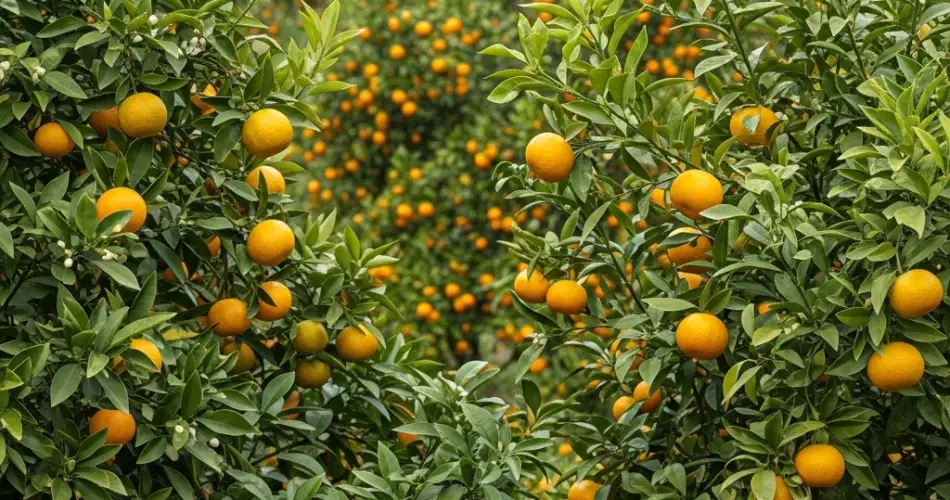
Citrus trees, especially lemon trees, are a favorite among home gardeners for their fragrant flowers and delicious fruits. But sometimes, no matter how much care you give them, they just won’t produce fruit. The good news is that there are simple, natural tricks that can help your citrus trees flower and bear fruit more quickly—sometimes within just a few weeks.
Whether you’re growing citrus in pots or directly in the ground, these techniques can make a big difference. By adjusting watering, feeding, and environmental conditions, you can stimulate blooming and fruiting naturally, without synthetic chemicals or expensive products.
Understanding What Citrus Trees Need
Before trying any fruit-boosting method, it’s important to understand the basic needs of a citrus plant:
-
Sunlight: At least 6–8 hours per day
-
Well-draining soil: Citrus roots hate soggy conditions
-
Balanced nutrients: Especially nitrogen, phosphorus, potassium, magnesium, and calcium
-
Proper pruning and air circulation
-
Stable temperatures: Avoid extreme cold or heat shocks
If even one of these needs is missing, your tree may grow leaves and branches but delay or skip flowering.
Trick 1: Use a High-Phosphorus Homemade Fertilizer
One of the quickest ways to encourage flowering and fruiting is by adding more phosphorus to your tree’s feeding schedule. While nitrogen is great for leafy growth, phosphorus promotes blooms and fruit set.
Homemade Citrus Booster Mix:
-
1 tablespoon of wood ash (natural source of potassium and phosphorus)
-
1 tablespoon of banana peel powder (rich in potassium and calcium)
-
1 tablespoon of finely ground eggshells (adds calcium and trace minerals)
-
Mix these into 1 liter of water and let it sit for 6–12 hours.
Apply this mix once every 10–15 days around the base of your citrus tree. Make sure to water the plant afterward to help nutrients soak into the soil.
Trick 2: Slightly Stress the Plant
While it may sound counterintuitive, slightly stressing a citrus tree can signal to the plant that it’s time to reproduce. This natural survival mechanism often results in sudden flowering.
Methods to Try:
-
Reduce watering slightly for 7–10 days, then resume normal watering. The contrast often triggers flowering.
-
Root pruning: If your tree is in a pot, gently trim the roots and refresh the soil. This signals the plant to redirect energy toward fruit production.
-
Controlled pruning: Trim excess foliage or small inner branches to increase sunlight and airflow. This helps redirect energy to developing fruits.
Use this technique carefully—don’t overly stress your plant, especially during extreme weather conditions.
Trick 3: Encourage Pollination
For citrus trees to bear fruit, their flowers need to be pollinated. While many citrus trees are self-pollinating, outdoor plants can benefit from increased insect activity.
If your tree is indoors or doesn’t have many pollinators nearby:
-
Use a small, soft brush or cotton swab to transfer pollen from flower to flower.
-
Do this every morning for a few days when the flowers are open.
-
It mimics the work of bees and increases your chances of fruit development.
Trick 4: Proper Watering Schedule
Watering is crucial—too little water can halt fruiting, while too much can lead to root rot and dropped buds. Use these watering tips:
-
Deep watering once or twice a week, depending on climate
-
Allow the top 2–3 inches of soil to dry between waterings
-
Mulch around the base to retain moisture and regulate temperature
Consistent watering is key during flowering and fruit-setting stages.
Trick 5: Sunlight and Placement
Citrus trees are sun lovers. Lack of sunlight is one of the top reasons for poor flowering.
-
Ensure the plant gets at least 6 hours of direct sunlight daily
-
For potted citrus, rotate the pot weekly for even light exposure
-
If growing indoors, place it near a bright south-facing window or supplement with a grow light
Bonus Tip: Companion Plants and Aromatic Herbs
Some gardeners report better fruit production when planting aromatic herbs like basil, mint, or marigolds near their citrus trees. These can:
-
Attract pollinators
-
Repel pests
-
Improve soil biodiversity
Planting in harmony with nature can contribute to a healthier, more productive citrus garden.
Final Thoughts
Getting your citrus tree to flower and produce fruit doesn’t always require expensive solutions. Sometimes, just a few tweaks—like adjusting nutrients, modifying watering, or giving the plant a gentle push—can work wonders.
By using homemade fertilizers, increasing sunlight, practicing smart pruning, and encouraging pollination, you can enjoy fragrant blooms and fresh lemons (or other citrus) sooner than you expected. With patience and a little attention, your citrus tree can reward you with vibrant growth and abundant fruits, all from your own home or garden.


