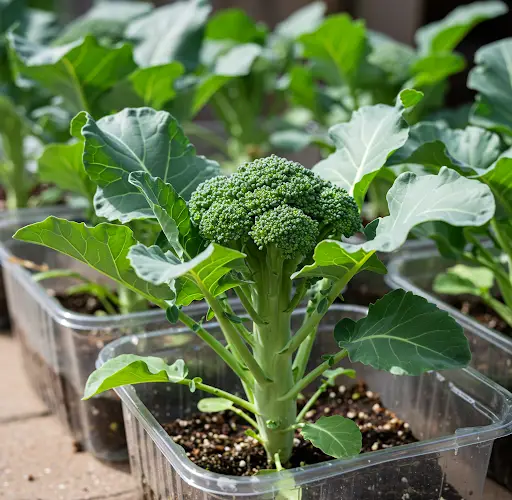
Growing your own broccoli at home is not only a satisfying experience, but it’s also an easy and cost-effective way to enjoy fresh, nutrient-packed vegetables. One of the best things about growing broccoli is that it doesn’t require a huge garden or expensive equipment. In fact, you can recycle plastic containers to create a perfect environment for your broccoli plants, even if you have a small space like a balcony or patio. This approach is perfect for beginners and allows you to reuse plastic waste in a sustainable and productive way.
Here’s how you can grow broccoli at home using recycled plastic containers and enjoy a delicious harvest right from your doorstep.
Step 1: Choose the Right Plastic Containers
Plastic containers are ideal for growing broccoli because they are lightweight, durable, and provide ample space for the roots to grow. You can use a variety of containers, such as old plastic buckets, milk jugs, or large plastic bottles. The key is to make sure the containers are at least 12-16 inches deep to accommodate the deep-growing broccoli roots.
When choosing containers, make sure they have drainage holes. If not, you’ll need to drill small holes in the bottom of the container to allow excess water to escape. Without proper drainage, the soil can become waterlogged, leading to root rot and other issues.
Step 2: Prepare the Soil
Broccoli thrives in rich, well-draining soil that is packed with nutrients. Start by filling your plastic container with a good-quality potting mix or garden soil. You can also mix in compost to boost the nutrient content, which will help your plants grow strong and healthy. A soil mix of 60% potting soil and 40% compost is ideal for broccoli.
If you’re using recycled soil from a previous container, be sure to refresh it with new compost or fertilizer to restore nutrients that may have been depleted. Broccoli prefers slightly acidic soil with a pH between 6.0 and 7.0, so you may want to test the pH of the soil and adjust it if necessary.
Step 3: Planting the Broccoli Seeds
Broccoli can be grown from seeds, and starting your plants indoors will give you a head start, especially if you live in a colder climate. Start the seeds indoors 4-6 weeks before your last expected frost date. Fill small seed trays with potting soil and sow the seeds about 1/4 inch deep. Keep the seed trays in a warm, sunny location, or use grow lights to encourage germination.
Once the seedlings are 2-4 inches tall and the weather is warm enough, you can transplant them into your prepared plastic containers. If you’re planting directly in containers outdoors, wait until the soil has warmed and there’s no more danger of frost.
When planting, space your broccoli plants about 12-18 inches apart in the container. Each plant needs space to grow, so don’t overcrowd them. If your container is large enough, you can plant 2-3 broccoli plants in one container, but they should have plenty of space to grow.
Step 4: Watering and Maintenance
Broccoli plants require consistent moisture to thrive, but they don’t like to sit in waterlogged soil. Water the plants deeply when the top inch of soil feels dry to the touch. Ensure that the water drains freely from the bottom of the container to prevent root rot.
Since the soil in containers can dry out faster than in the ground, you may need to water your plants more frequently, especially during hot weather. Consider mulching around the base of the plants with organic materials like straw or leaves to help retain moisture and keep the roots cool.
Broccoli is a heavy feeder, so it benefits from regular feeding. Use a balanced liquid fertilizer or compost tea every two weeks to provide your plants with the nutrients they need to grow. Be cautious not to over-fertilize, as this can lead to excess leaf growth and poor head development.
Step 5: Providing the Right Conditions
Broccoli is a cool-season crop, meaning it grows best in temperatures between 55-75°F (13-24°C). It can tolerate light frost, but if you live in an area with hot summers, it’s best to grow broccoli in the spring or fall, when temperatures are milder.
Place your containers in a location that receives full sunlight for at least 6 hours a day. If you’re growing broccoli in containers indoors, make sure the plants receive plenty of natural light, or use grow lights to supplement.
Broccoli is a sun-loving plant, but it can also tolerate partial shade, which is useful in areas with hot summers. If you’re growing your broccoli on a balcony or patio, try to place the containers where they will receive morning sun and be shaded in the afternoon.
Step 6: Managing Pests and Problems
As with any vegetable, broccoli can be susceptible to pests such as aphids, cabbage worms, and slugs. To keep pests at bay, inspect your plants regularly and remove any damaged or infected leaves. If you notice pests, you can wash the leaves with a mild soap solution or use organic insecticides like neem oil.
Another common issue with growing broccoli is bolting, which occurs when the plant flowers prematurely due to stress from extreme heat or inconsistent watering. To prevent bolting, try to grow your broccoli in the cooler months and maintain consistent moisture levels.
Step 7: Harvesting the Broccoli
Broccoli is ready to harvest when the main head is firm and tight, and the buds have not yet started to open into flowers. To harvest, simply cut the main head off the plant with a sharp knife. Leave the side shoots on the plant, as these will continue to grow and produce smaller heads. These side shoots are also edible and can be harvested once they reach a good size.
Harvest your broccoli in the morning when the heads are crisp and fresh. After harvesting, you can store the broccoli in the refrigerator for up to a week. For long-term storage, consider blanching and freezing the broccoli.
Step 8: Reusing the Plastic Containers
Once you’ve harvested your broccoli, you can continue to reuse the plastic containers for growing other plants. Empty the containers of soil, clean them thoroughly, and refill them with fresh soil for a new planting season. This is a great way to reduce waste while continuing to grow fresh produce at home.
Final Thoughts
Growing broccoli in recycled plastic containers is an excellent way to get started with container gardening. It’s a simple, eco-friendly method that is perfect for beginners, especially those who may not have access to a large garden space. By using plastic containers, you can recycle waste and still grow a healthy, bountiful crop of broccoli right at home. With the right care and attention, you’ll be enjoying fresh, homegrown broccoli in no time!


