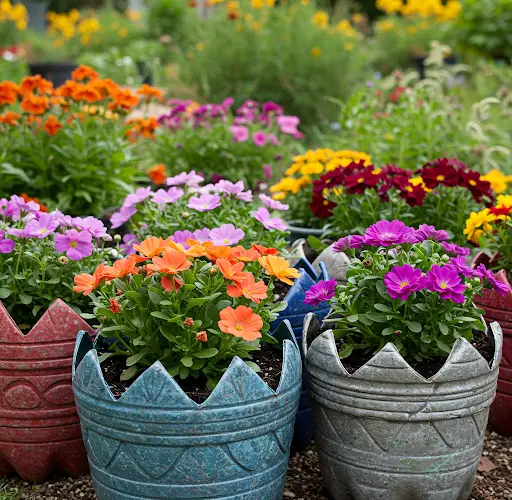
Recycle Plastic Bottles into Beautiful Flower Pots for Your Garden
Plastic waste is one of the biggest environmental challenges we face today. However, with a little creativity, we can turn everyday household items like plastic bottles into something useful and beautiful. One of the most practical and eco-friendly ways to reuse plastic bottles is by transforming them into flower pots for your home garden or balcony.
This DIY gardening project not only reduces plastic waste but also provides a budget-friendly way to beautify your space with unique, handmade planters. Whether you’re working with limited space or just looking for a sustainable gardening solution, this method is perfect for beginners and experienced gardeners alike.
Why Use Plastic Bottles for Flower Pots?
Recycling plastic bottles into flower pots offers a wide range of benefits:
-
Eco-Friendly: Keeps plastic out of landfills and oceans.
-
Cost-Effective: No need to purchase expensive planters.
-
Creative: Allows you to design unique pots to match your garden style.
-
Space-Saving: Great for vertical gardens and small spaces.
This simple upcycling idea gives plastic a second life and adds a personal, artistic touch to your garden.
Materials You’ll Need
To create your own plastic bottle flower pots, you only need a few materials—most of which you likely already have at home:
-
Used plastic bottles (any size—1L, 1.5L, or 2L)
-
Sharp scissors or a craft knife
-
A marker or pen
-
Nail or screwdriver (for drainage holes)
-
Paints, stickers, or decorative items (optional)
-
Potting soil
-
Flower or plant seedlings
Step-by-Step Guide to Making Plastic Bottle Planters
1. Choose the Right Bottle
Pick bottles that are sturdy and have enough room for the plant’s root system. Water and soft drink bottles work well. For hanging or wall-mounted pots, smaller bottles are more convenient.
2. Cut and Shape the Bottle
Using scissors or a craft knife, carefully cut the bottle into the desired shape. Here are a few creative options:
-
Vertical Planter: Cut the top quarter off to make a deep pot.
-
Hanging Pot: Cut the bottle horizontally in half and add string or wire to hang it.
-
Wall Planter: Cut a rectangular opening along the side of the bottle and secure it to a wall or wooden frame.
Always smooth any sharp edges to prevent injury.
3. Create Drainage Holes
Use a nail, screwdriver, or heated skewer to poke 3–5 holes in the bottom of the bottle. This allows excess water to drain, preventing root rot.
4. Add Decoration (Optional)
Make your planters stand out with colorful paint, patterns, or stickers. You can also glue on small decorations or draw plant names with permanent markers. This is a fun activity for both kids and adults and adds charm to your garden.
Let the paint dry completely before moving on to planting.
Planting Your Flower Pots
Once your DIY plastic bottle pots are ready, follow these steps to start planting:
1. Add Soil
Fill the bottom half of the bottle with a good-quality potting mix. You can also mix in compost or slow-release fertilizer for better plant growth.
2. Insert Seedlings or Seeds
Carefully plant your flowers or herbs into the soil. Gently press the soil around the base of the plant to secure it.
If starting from seeds, follow the instructions on the seed packet regarding depth and spacing.
3. Water Thoroughly
Water the soil gently until it’s evenly moist. Be careful not to overwater, especially in bottles without proper drainage.
Where to Display Your DIY Planters
There are countless ways to display your plastic bottle flower pots:
-
Hang them from balcony railings or fences
-
Attach to a wall or wooden board for a vertical garden
-
Place on windowsills or ledges
-
Hang from tree branches or hooks
You can group several bottles together to create a colorful, layered flower wall or spread them throughout your garden for a quirky, recycled look.
Best Plants to Grow in Bottle Pots
Not all plants are suited for small containers, so choose compact varieties that thrive in shallow soil. Some great options include:
-
Marigolds
-
Pansies
-
Petunias
-
Succulents
-
Herbs like basil, mint, or thyme
These plants are relatively low maintenance and grow well in limited space.
Tips for Success
-
Clean bottles thoroughly before use to avoid bacteria or residue.
-
Monitor soil moisture regularly, as plastic containers can trap heat and dry out faster.
-
Use light-colored bottles or paint them to reflect sunlight and prevent overheating roots.
-
Reinforce hanging planters with strong string or wire to avoid accidents.
Conclusion
Recycling plastic bottles into beautiful flower pots is a smart, eco-friendly way to green your space while reducing waste. This project is simple, budget-conscious, and perfect for any gardener looking to add charm to their home with minimal effort.
By embracing creative reuse, you can turn ordinary plastic into something extraordinary—and enjoy vibrant, blooming plants along the way.


