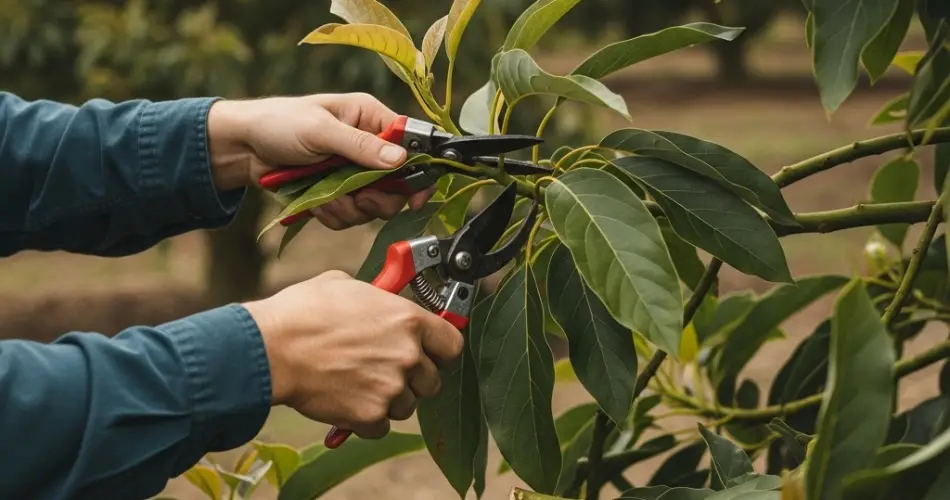
Avocado trees are not only valued for their creamy, nutritious fruit but also for their lush foliage and shade. However, to get the best fruit yield, regular pruning is essential. Proper pruning encourages healthy growth, allows sunlight to reach interior branches, improves air circulation, and helps shape the tree for easier harvesting. Whether you’re growing a backyard avocado tree or managing a small orchard, knowing how and when to prune is key to boosting productivity.
Why Prune an Avocado Tree?
Many fruit trees benefit from periodic pruning, and avocados are no exception. Left unpruned, avocado trees can grow tall and dense, making fruit production and harvesting more difficult. Pruning helps in several important ways:
-
Encourages New Growth: Fresh shoots from pruned branches are often more productive.
-
Improves Sunlight Penetration: Fruit development is enhanced when light reaches the inner canopy.
-
Enhances Air Circulation: Good airflow reduces the risk of fungal diseases and pests.
-
Controls Size and Shape: Makes the tree easier to maintain and harvest.
-
Removes Damaged or Diseased Branches: Promotes overall tree health.
When to Prune Avocado Trees
The best time to prune an avocado tree is late winter to early spring, just before the growing season begins. At this stage, the tree is still somewhat dormant, which minimizes stress and encourages vigorous growth in the coming months.
Light maintenance pruning can also be done throughout the year to manage shape or remove unwanted shoots. Avoid heavy pruning in late fall or during extreme heat or frost, as it can weaken the tree.
Tools You’ll Need
Before starting, make sure you have the right tools:
-
Sharp pruning shears for smaller branches
-
Loppers for medium-sized limbs
-
A hand saw or pole saw for thicker branches
-
Gloves and eye protection for safety
-
Clean tools to prevent the spread of disease
How to Prune an Avocado Tree: Step-by-Step
1. Start with Dead or Damaged Wood
Inspect the tree for branches that are broken, diseased, or dying. These branches can drain energy from the tree and should be removed first. Cut them back to a healthy branch or trunk.
2. Thin Out Crowded Areas
Avocado trees can become dense in the center, preventing sunlight and air from reaching all parts of the tree. Remove select inner branches to open up the canopy and promote better airflow. This thinning process is especially important for mature trees.
3. Shape the Tree
Decide on a manageable height and shape for your tree. Many gardeners prefer keeping avocado trees between 10 to 15 feet tall for easier harvesting. Cut back vertical leaders and long limbs to encourage bushier growth.
Tip: Always cut just above a bud or lateral branch that faces outward to direct future growth in a desirable direction.
4. Remove Suckers and Water Sprouts
Suckers (thin shoots growing from the base of the tree) and water sprouts (vigorous, vertical shoots) can divert energy away from fruiting branches. Trim these away unless they are needed to shape young trees.
5. Maintain Horizontal Branches
Fruiting typically occurs on mature horizontal branches, so these should be preserved as much as possible. Avoid cutting them unless they’re diseased or extremely unbalanced.
Pruning Young vs. Mature Trees
-
Young Avocado Trees (0–3 years)
Focus on establishing a strong structure. Prune to develop a central leader with evenly spaced lateral branches. Keep the tree compact to encourage early fruiting and easier management later on. -
Mature Avocado Trees (3+ years)
Prune to maintain size, improve light penetration, and encourage new growth. Avoid removing more than 25% of the canopy in a single season, as this can stress the tree.
Aftercare: Helping the Tree Recover
-
Watering: Give the tree a deep watering after pruning, especially in dry conditions.
-
Fertilizing: Wait a few weeks before applying fertilizer to allow the tree to recover from cuts.
-
Monitor for Pests: Fresh cuts can attract insects or fungi. Keep an eye on pruned areas and apply organic pest control if needed.
Mistakes to Avoid
-
Over-pruning: Removing too much at once can shock the tree and reduce fruit production.
-
Improper cuts: Leaving stubs or cutting too close can damage branches and invite disease.
-
Ignoring pruning: A neglected tree may grow too tall, produce less fruit, and become harder to manage over time.
Final Thoughts
Pruning is a powerful tool that, when done properly, enhances the health and productivity of your avocado tree. By removing problem branches, improving structure, and promoting new growth, you’ll not only get better fruit but also make caring for your tree much easier in the long run. With a thoughtful approach and seasonal maintenance, your avocado tree can thrive and reward you with abundant harvests for years to come.


