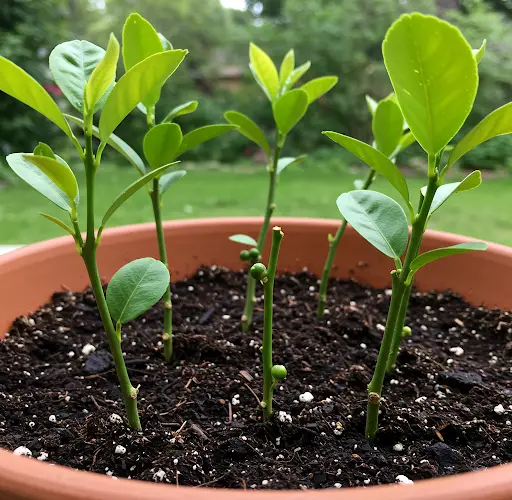
How to Grow a Lemon Tree from Cuttings in Water: A Beginner-Friendly Guide Using Natural Ingredients
Lemon trees are not only beautiful additions to any home garden, but they also offer an endless supply of fresh, vitamin-rich fruit. If you’ve ever wanted to grow your own lemon tree but thought it might be difficult or require too much space, you’ll be pleased to learn that propagating lemon trees from cuttings — especially in water — is surprisingly simple. Best of all, with a few everyday kitchen ingredients, you can naturally enhance root growth and reduce the need for synthetic hormones.
This article walks you through a natural and beginner-friendly method for growing a lemon tree from cuttings using garlic, red onion, aloe vera, and black soy sauce. Within about 30 days, you can expect to see strong root development and the beginnings of a healthy lemon plant ready for soil transplanting.
Why Choose Water Propagation?
Water propagation is a favorite method among home gardeners for several reasons:
-
Clear Visibility: You can monitor root development in real time.
-
Faster Results: In some cases, rooting occurs more quickly in water than in soil.
-
Minimal Equipment: All you need is a clean container and a water source.
Pairing water propagation with natural rooting aids like garlic and aloe vera boosts your chances of success — especially with more delicate plants like citrus trees.
What You’ll Need
Before starting the propagation process, gather the following materials:
-
Healthy lemon tree cuttings (semi-hardwood or greenwood, 6–8 inches long)
-
1 clove of fresh garlic
-
1 small red onion
-
A piece of fresh aloe vera leaf
-
1 tablespoon of black soy sauce (for natural hormone stimulation)
-
A clean glass or plastic container for water
-
Fresh, room-temperature water
-
Sharp, sterilized pruning shears or knife
Step 1: Select and Prepare Your Lemon Cuttings
Start with cuttings from a healthy lemon tree. Choose branches that are 6–8 inches long and have at least two leaf nodes. Remove any flowers, fruit, or large leaves to reduce stress and moisture loss. Leave only a couple of smaller leaves at the top.
Using sterilized shears or a knife, make a diagonal cut at the base of each stem. This increases the surface area for water and hormone absorption.
Step 2: Natural Rooting Treatment
Garlic:
Crush one garlic clove and gently rub the juice onto the base of each lemon cutting. Garlic contains natural antifungal and antibacterial compounds that protect cuttings from rot during water propagation.
Red Onion:
Slice a red onion and rub the inner layers against the cut end of each stem. Red onion juice is rich in sulfur and natural plant hormones that promote root development and ward off harmful microbes.
Aloe Vera:
Slice a piece of fresh aloe vera leaf and extract the gel. Coat the bottom 2 inches of the cutting with this gel. Aloe vera is known for stimulating root growth and hydrating plant tissues, making it an ideal natural booster.
Black Soy Sauce Hormone:
Add one tablespoon of black soy sauce to your propagation water. While unconventional, black soy sauce contains trace minerals, amino acids, and fermentation byproducts that may support microbial activity beneficial for root growth.
Step 3: Place the Cuttings in Water
Fill a clean container with fresh water and add the prepared lemon cuttings. Make sure at least two inches of the stem is submerged while keeping the leaves above the waterline. Avoid overcrowding the container — each cutting should have enough space for air and light circulation.
Place the container in a bright, indirect light area. Avoid direct sun exposure, which can overheat the water and stress the cuttings.
Step 4: Daily Care and Water Maintenance
To prevent bacterial growth and oxygen deprivation, change the water every two to three days. When changing the water, rinse the container and check the cuttings for any signs of rot or mold. If using soy sauce again during water changes, add a very small amount (just a few drops) to avoid nutrient buildup.
Mist the leaves lightly once a day to maintain humidity and reduce dehydration.
Step 5: Root Growth and Monitoring
After about 2–3 weeks, you may begin to see tiny white roots emerging from the base of your lemon cuttings. By day 30, most cuttings will have developed substantial root systems, ready for transplanting.
Once roots are 2–3 inches long and appear healthy and firm, it’s time to prepare for the next step — planting them in soil.
Step 6: Transplanting Rooted Cuttings
Transplant the rooted lemon cuttings into small pots filled with well-draining soil (a citrus or cactus mix works well). Place them in a shaded area for the first week to help them adjust to the new environment. Gradually move them into brighter light conditions after 7–10 days.
Water the plants lightly to keep the soil moist but not soggy. Avoid fertilizer for the first few weeks as the new roots settle.
Final Thoughts
Growing lemon trees from cuttings in water using natural ingredients like garlic, red onion, aloe vera, and even black soy sauce is a low-cost, effective method for beginners. With consistent care and a little patience, you can grow strong, healthy lemon trees from simple cuttings — all in the comfort of your home.
Try this method today and experience the joy of growing your own citrus tree from scratch!


