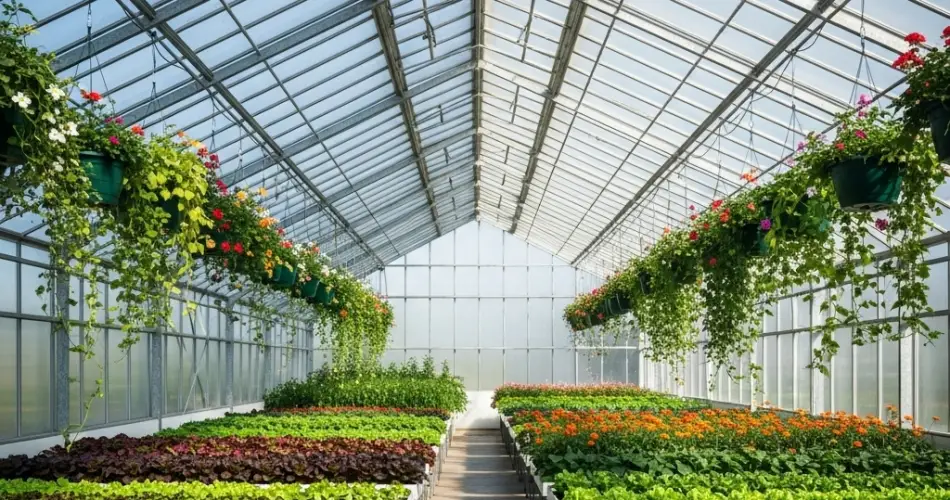
If you’re aiming for a truly abundant harvest next year, autumn is the best time to prepare your greenhouse. While most gardeners begin thinking about planting in spring, the real secret to a productive season starts much earlier—with smart fall preparation. By taking a few strategic steps now, you can improve soil health, prevent diseases, and boost plant growth dramatically come spring.
Let’s explore the most effective ways to prepare your greenhouse in autumn so you’re ready for a thriving, productive garden in 2025.
Why Autumn Preparation Matters
After the final harvest, many gardeners leave the greenhouse to rest until spring. However, this is a missed opportunity. Fall is the perfect time to regenerate the soil, restore nutrients, and eliminate lingering pests and diseases that may have built up during the growing season.
By tending to your greenhouse now, you’re setting the stage for healthier seedlings, faster growth, and a much higher yield when the new planting season begins.
Step 1: Clear and Sanitize the Greenhouse
Start by removing all plant debris, old roots, and leftover mulch. These can harbor fungal spores, harmful bacteria, or insect larvae that may cause issues in the following season.
-
Disinfect surfaces: Wipe down shelves, support structures, and the inside of greenhouse panels with a mild soap or vinegar solution.
-
Wash tools and trays: Give everything a good scrub to eliminate hidden pathogens.
-
Check for pests: Look for spider mites, whiteflies, or aphids, especially in corners or under benches.
Thorough cleaning helps break pest and disease cycles and gives you a clean slate to begin anew.
Step 2: Improve the Soil
Soil quality is the foundation of any successful harvest. After a full season of growth, it’s likely that nutrients have been depleted. Use autumn to rebuild soil health.
-
Remove tired topsoil (if needed) and replace it with fresh, rich compost.
-
Add organic matter such as rotted manure, leaf mold, or worm castings.
-
Apply biochar or wood ash in moderation to help balance pH and improve soil structure.
-
Introduce beneficial microbes or mycorrhizal fungi—these will improve root health and nutrient uptake in the next growing season.
Mix thoroughly and water deeply after amending the beds.
Step 3: Plant Green Manures or Cover Crops
If you won’t be growing winter vegetables, consider planting a green manure crop like clover, rye, or mustard. These cover crops:
-
Improve soil structure
-
Prevent erosion
-
Suppress weeds
-
Fix nitrogen in the soil
In early spring, you can cut them down and till them into the soil to add organic nutrients and improve aeration.
Step 4: Prepare for Early Spring Planting
To give your spring seedlings the best possible start, prepare now:
-
Set up insulated beds or frames to retain warmth.
-
Install composting bins or worm towers directly in the greenhouse—these will enrich the soil over winter.
-
Store rainwater or prepare water barrels to ensure an early-season water supply.
-
Stock up on organic fertilizers, trays, labels, and other supplies while garden centers offer end-of-season sales.
By organizing early, you’ll be ready to sow as soon as the light and temperature conditions allow.
Step 5: Plan Your 2025 Greenhouse Layout
While things are quiet, map out your planting strategy for next year:
-
Rotate crops to avoid depleting specific nutrients and prevent soil-borne diseases.
-
Choose early-maturing, disease-resistant varieties.
-
Schedule succession planting for a continuous harvest.
-
Leave space for pollinator-attracting flowers or companion plants that boost vegetable growth.
Planning now ensures better efficiency and crop health in the months ahead.
Optional: Heat Retention Strategies
If you plan to grow through winter or start earlier in spring, consider simple insulation methods:
-
Lay straw bales around interior walls to create a heat buffer.
-
Use black water barrels to absorb and release heat at night.
-
Cover beds with fleece or row cover tunnels to protect from frost.
Even passive heat retention methods can extend your growing season by several weeks on either end.
Summary: Autumn Work, Spring Rewards
By investing time in greenhouse maintenance and soil renewal this autumn, you’re setting yourself up for a strong, productive, and problem-free 2025 growing season. Rather than starting from scratch in spring, your greenhouse will be fertile, clean, and ready for action.
The steps are simple but highly effective:
-
Clean and disinfect all surfaces
-
Restore soil nutrients with compost and organic matter
-
Sow green manure crops or protect bare soil
-
Plan and prepare for spring planting now
Don’t let your greenhouse sit idle this fall. A few hours of preparation now can yield weeks of healthy growth and kilos of fresh produce next year.
Get started today, and your garden will thank you with a rich, abundant harvest when the time comes.


