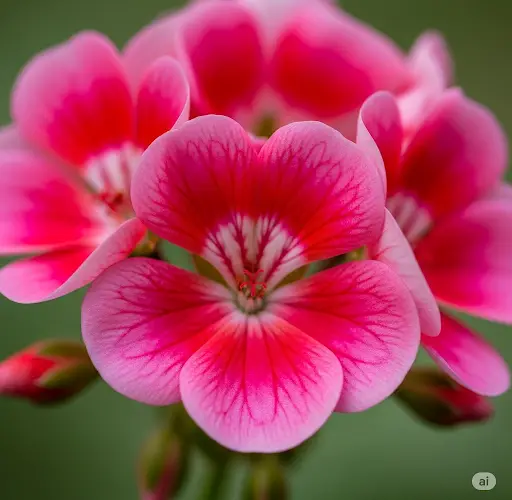
Geraniums are one of the most popular flowering plants among gardeners and houseplant enthusiasts alike. Their vivid blooms, pleasant scent, and forgiving nature make them ideal for windowsills, balconies, and garden beds. But as the seasons shift and cooler weather sets in, many geraniums begin to decline. They may stop blooming, become leggy, or look dull and weak.
If you’re watching your geranium wither as autumn arrives, don’t be discouraged. There’s a simple and cost-effective method to revive your plant and encourage it to produce a fresh wave of flowers—even during the off-season. All it takes is a natural feeding solution that you can make at home using common ingredients.
Why Geraniums Struggle in Autumn
Geraniums thrive in warmth and sunlight. As autumn approaches, the shorter days and cooler temperatures signal to the plant that it’s time to slow down. This seasonal slowdown can result in:
-
Reduced flowering
-
Sluggish growth
-
Yellowing or dropping leaves
-
A generally tired or “sleepy” appearance
While it’s normal for many plants to prepare for dormancy, geraniums can continue to flower well into autumn if given the right support. The key lies in providing them with a nutrient-rich tonic that energizes their roots and stimulates bud formation.
The Secret Autumn Boost: A Homemade Nutrient Solution
The trick is to feed your geraniums with a phosphorus- and potassium-rich elixir that encourages blooming and strengthens the plant’s natural defenses before winter. One of the best ingredients for this is wood ash—a powerful, natural additive that contains high levels of potassium and trace minerals.
When dissolved in water, wood ash becomes a mild fertilizer that supports strong flower and bud development. It also helps balance the pH of the soil and prevents root diseases. If you don’t have access to wood ash, an alternative would be a mild solution made with banana peel, which also contains potassium and phosphorus.
How to Prepare the Autumn Bloom Booster
Option 1: Using Wood Ash
Ingredients:
-
1 tablespoon of fine, cold wood ash (from untreated wood)
-
1 liter of warm, non-chlorinated water
Instructions:
-
Stir the ash into the water and let it sit for 2–3 hours.
-
Strain the solution to remove any solid particles.
-
Use the liquid to water the base of your geranium.
Option 2: Using Banana Peel (if wood ash is not available)
Ingredients:
-
1 chopped banana peel
-
500 ml of warm water
Instructions:
-
Blend the peel with the water or soak it overnight.
-
Strain before using.
-
Pour directly at the root zone.
Note: Always apply the solution to moist soil. If the plant is dry, water it lightly the day before feeding.
How Often to Apply
This autumn treatment should be applied once every 10 to 14 days during the early to mid-autumn season. If the weather remains mild and your plant is still growing, you can continue this feeding schedule until temperatures drop significantly or the plant enters dormancy.
Avoid overfeeding—once or twice per month is sufficient to give the plant the boost it needs without overwhelming it.
What to Expect
After applying the solution, you may begin to see results within 7–10 days:
-
The plant will appear more vigorous and upright
-
New buds may begin to form at the ends of stems
-
Existing leaves will turn a richer green
-
Flowering may resume even if it had previously stopped
This feeding method not only encourages blooming but helps your geranium build strength for the colder months ahead. Healthy roots and stems are better equipped to survive the stress of winter, whether your plant is indoors or in a sheltered outdoor location.
Additional Care Tips for Autumn Geraniums
To maximize the effect of the tonic, pair it with proper seasonal care:
-
Sunlight: Move your geranium to a sunny window or bright spot. Autumn light is less intense, so the plant needs as much as it can get.
-
Pruning: Lightly prune leggy stems to stimulate bushier growth and redirect energy toward blooming.
-
Watering: Water only when the top inch of soil feels dry. Overwatering is a common issue as the weather cools.
-
Protection: If outdoor temperatures drop below 10°C (50°F), consider bringing your plant indoors or covering it at night.
Final Thoughts
Just because autumn has arrived doesn’t mean your geranium has to stop blooming. With this simple, natural feeding method, you can prolong its flowering season and keep your plant healthy and vibrant. Whether you use wood ash or a banana peel solution, you’ll be giving your geranium the nutrients it needs to keep performing—right when most plants are winding down.
Give this method a try, and you might be surprised by how quickly even a tired-looking geranium transforms into a lush, flowering beauty ready to brighten up the cooler months ahead.


