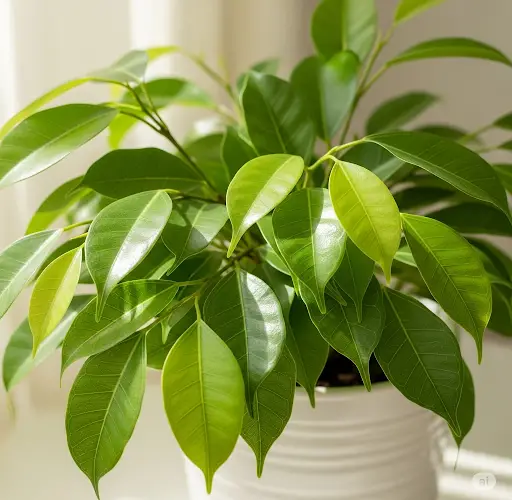
The Benjamin Ficus (Ficus benjamina) is one of the most elegant and popular indoor plants worldwide. Its graceful, arching branches and dense canopy of glossy leaves make it a favorite choice for homes and offices alike. But while it’s a beautiful addition to any interior, this plant can be a bit finicky if not cared for properly. Leaf drop, thinning branches, or dull foliage are all signs that your ficus needs more attention.
This article will walk you through the complete home care routine to help your Benjamin Ficus thrive. Whether you’re a beginner or looking to revive a struggling plant, these tips will help you grow a full, vibrant canopy and maintain healthy, attractive leaves year-round.
Understanding the Benjamin Ficus
Native to Southeast Asia and Australia, the Benjamin Ficus is a tropical evergreen that can grow into a large tree in its natural habitat. Indoors, it typically reaches heights of 1.5 to 2 meters but can be pruned to maintain a compact shape.
It’s known for:
-
Delicate, pointed leaves that range from bright green to variegated,
-
Graceful, weeping branches that create a cascading canopy,
-
Air-purifying qualities, removing common toxins from indoor environments.
Despite its beauty, it can be sensitive to environmental changes, making consistent care essential.
Light Requirements
Ficus benjamina loves bright, indirect light. A location near an east or west-facing window is ideal. Direct sunlight can scorch the leaves, especially during summer, while too little light leads to sparse growth and leaf drop.
If you notice your plant reaching or leaning toward a light source, rotate it weekly to encourage even growth. Avoid placing it in drafty areas or near air conditioners or heaters.
Watering Guidelines
Proper watering is key to a healthy Benjamin Ficus:
-
Frequency: Water only when the top 2–3 cm of soil feels dry to the touch. This typically means once a week, but frequency may vary with the season and indoor humidity.
-
Amount: Water thoroughly until excess drains from the bottom of the pot. Always empty the saucer to prevent root rot.
-
Avoid extremes: Both overwatering and underwatering can trigger leaf drop. If the leaves are yellowing and falling, check your watering routine first.
During winter, reduce watering as the plant’s growth slows down.
Humidity and Temperature
As a tropical plant, Benjamin Ficus prefers moderate to high humidity. Indoor heating in winter can dry the air, leading to leaf curling or browning. To maintain adequate humidity:
-
Mist the leaves occasionally,
-
Place a humidifier nearby,
-
Set the pot on a tray of water and pebbles (without letting the roots sit in water).
Ideal temperature range: 18°C to 25°C (65°F to 77°F). Avoid cold drafts and sudden temperature changes, which the plant doesn’t tolerate well.
Fertilizing for Lush Growth
Feed your ficus during the growing season (spring through early autumn) with a balanced liquid houseplant fertilizer every 2–4 weeks. A nitrogen-rich formula helps promote lush foliage. In winter, reduce or suspend feeding as the plant enters a rest period.
If your ficus has lost leaves and seems thin, consistent feeding paired with proper lighting can help restore a full, green crown.
Pruning and Shaping
Regular pruning helps maintain a neat shape and encourages bushier growth:
-
Trim back long or leggy stems to keep the canopy compact.
-
Remove any dead, yellow, or damaged leaves.
-
You can shape the plant by trimming the outer growth and guiding branches with soft ties or supports.
The best time for pruning is late spring or early summer when the plant is actively growing.
Repotting and Soil
Repot your Benjamin Ficus every 2–3 years, preferably in spring. Signs that it’s time to repot include roots growing through drainage holes or soil drying out very quickly after watering.
Soil mix: Use a well-draining houseplant mix enriched with perlite or sand. Good drainage is essential to prevent waterlogging and root rot.
Common Problems and Solutions
-
Leaf Drop: Often due to environmental stress, overwatering, or changes in light. Try to keep conditions stable and avoid frequent moving.
-
Pale or yellow leaves: Could signal overwatering or nutrient deficiency.
-
Sticky leaves: A sign of sap-sucking pests like scale insects or aphids. Treat with insecticidal soap or neem oil.
Regular inspection helps catch issues early before they spread.
Final Thoughts
The Benjamin Ficus is a rewarding houseplant that brings elegance and greenery into any space. With the right care—balanced watering, bright indirect light, proper feeding, and occasional pruning—you’ll enjoy a lush crown and healthy leaves all year long. Once settled into the right environment, the ficus is remarkably resilient and can live for many years, growing more beautiful over time.


