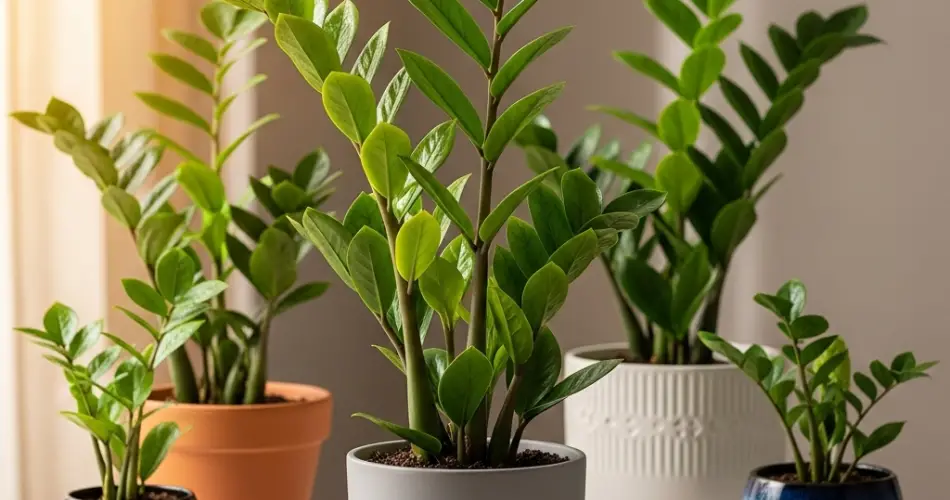
The ZZ plant (Zamioculcas zamiifolia) is the definition of an easy-care houseplant. With its glossy green leaves and upright stems, it brings a fresh, modern look to any space. Native to Eastern Africa, the ZZ plant is known for its tolerance of neglect, low light, and dry conditions—making it ideal for beginners, busy homeowners, and even office settings. Potting and caring for this plant is straightforward, and with the right approach, your ZZ plant will thrive for years in a container.
Why ZZ Plants Are Ideal for Container Gardening
ZZ plants grow from thick, water-storing rhizomes that resemble small potatoes. These rhizomes allow the plant to go for extended periods without water. In container gardening, this drought-tolerant trait means less worry about frequent watering or humidity management. Plus, their slow growth and compact root system make them well-suited for pots of all sizes.
This makes ZZ plants a favorite for low-light rooms, shaded corners, and even windowless offices, as long as there’s some ambient light available.
Choosing the Right Pot
One of the most important steps in potting a ZZ plant is selecting the right container. Although ZZ plants don’t grow rapidly, they do need room for their rhizomes to expand. Choose a pot that’s about 1 to 2 inches wider than the current root ball.
Drainage is non-negotiable. Always use a pot with at least one drainage hole. ZZ plants hate soggy roots, and sitting water will quickly cause the rhizomes to rot. If you want to use a decorative pot with no holes, place a plastic nursery pot inside and remove it for watering.
Materials like terracotta, ceramic, or sturdy plastic all work well. Terracotta is especially helpful because it absorbs moisture and helps prevent overwatering—a common issue with this plant.
The Best Soil for ZZ Plants
ZZ plants need well-draining soil. A standard houseplant mix often holds too much moisture, so opt for or create a mix that mimics cactus or succulent soil. You can make your own blend using:
-
2 parts potting soil
-
1 part perlite or coarse sand
-
1 part orchid bark or fine gravel
This combination provides good airflow to the roots and ensures excess water drains quickly.
Avoid using heavy, clay-based soils or those high in organic matter that retain water for too long.
How to Pot or Repot a ZZ Plant
Here’s a simple step-by-step guide to potting or repotting your ZZ plant:
-
Prepare the Pot: Place a layer of soil mix at the bottom of the new container.
-
Remove the Plant: Gently slide the ZZ plant out of its current pot. If it’s root-bound, massage the sides of the container to loosen the root ball.
-
Inspect the Rhizomes: Check for mushy or blackened rhizomes and trim them off with sterile scissors if necessary.
-
Place in the New Pot: Position the plant so the top of the rhizomes sits just below the rim of the new pot.
-
Fill and Settle: Fill in around the roots with fresh soil, patting lightly to eliminate large air pockets.
-
Water Lightly: Water sparingly after potting. ZZ plants prefer to dry out between waterings.
Repotting is only necessary every 2–3 years or when the plant becomes root-bound or top-heavy.
Light and Temperature Requirements
ZZ plants adapt to a range of lighting conditions, from bright indirect light to low light. However, the brighter the light, the faster it will grow. Avoid direct sunlight, which can scorch the leaves.
These plants prefer indoor temperatures between 18°C and 26°C (65°F to 80°F). Keep them away from cold drafts or sudden temperature changes, especially during winter.
Watering and Fertilizing
Watering ZZ plants is easy—less is more. Let the soil dry out completely between waterings. During the growing season (spring through early fall), water every 2–3 weeks. In cooler months, reduce to once a month or even less.
Overwatering is the number one cause of ZZ plant failure. Always empty saucers and never allow the plant to sit in standing water.
Fertilizer isn’t strictly necessary, but if you’d like to encourage growth, use a diluted, balanced houseplant fertilizer once a month during the spring and summer.
Maintenance Tips
ZZ plants are remarkably low-maintenance. Just a few basic tasks can keep them looking their best:
-
Wipe leaves with a damp cloth every few weeks to remove dust.
-
Remove yellowing or damaged leaves from the base.
-
Rotate the pot occasionally to ensure even growth on all sides.
If the plant becomes too tall or leggy, you can prune the stems near the base. New growth will emerge from the rhizomes in time.
Conclusion
Potting ZZ plants is one of the easiest and most rewarding ways to bring greenery indoors. With minimal care, proper drainage, and the right soil mix, this plant will thrive for years with little fuss. Whether you’re new to plant care or looking to add a foolproof favorite to your collection, the ZZ plant is a no-fail choice that combines beauty, resilience, and effortless style.


