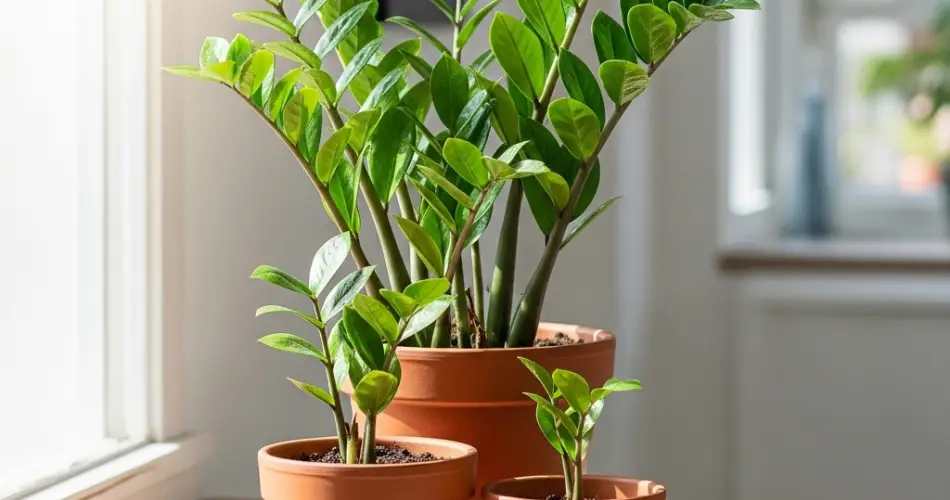
The ZZ plant (Zamioculcas zamiifolia) is a favorite among houseplant lovers for good reason. With its glossy green leaves, sculptural shape, and nearly indestructible nature, it thrives with minimal care—making it perfect for busy individuals or beginner gardeners. But while the ZZ plant itself is low-maintenance, the choice of pot plays a crucial role in its long-term health and growth.
Selecting the right container for your ZZ plant ensures proper root development, prevents overwatering, and contributes to your overall interior style. Here’s what you need to know to make the best decision when choosing a pot for your ZZ plant.
Why the Right Pot Matters
Although ZZ plants are hardy and adaptable, the wrong container can lead to problems such as water retention, root rot, or restricted growth. A good pot supports healthy roots, balances moisture, and complements your décor without compromising plant health.
Let’s explore the most important factors to consider when selecting a pot for your ZZ plant.
1. Drainage is Non-Negotiable
ZZ plants are extremely susceptible to overwatering and root rot, so proper drainage is essential. Always choose a pot with at least one drainage hole at the bottom to allow excess water to escape. Waterlogged soil is the fastest way to stress or kill your ZZ plant.
If you fall in love with a decorative pot that doesn’t have a drainage hole, you can still use it—just place your ZZ in a plastic nursery pot with drainage and slip it inside. Remove the inner pot when watering, allow excess moisture to drain, and place it back only once the bottom is dry.
2. Pot Size: Just Right Is Best
Choosing the correct pot size ensures your ZZ plant isn’t sitting in more soil than it needs. Too large a pot retains unnecessary moisture, while too small a pot may restrict root growth.
-
Too small: The plant may become root-bound, leading to stunted growth.
-
Too large: Excess soil holds more water than the roots can absorb quickly, increasing the risk of rot.
A good rule is to choose a pot that’s 1–2 inches wider in diameter than the current root ball. When repotting, size up gradually rather than jumping to a much bigger container.
3. Material Considerations
Different pot materials offer distinct benefits—and drawbacks—especially when it comes to moisture control and breathability. Here are some of the most common options:
-
Terracotta: Porous and breathable, terracotta allows soil to dry faster, making it ideal for ZZ plants. However, it’s heavier and may crack in cold temperatures.
-
Ceramic (glazed): Stylish and available in many designs, glazed ceramic pots retain moisture better. Make sure they have proper drainage holes.
-
Plastic: Lightweight and affordable, plastic pots retain moisture longer than terracotta and are good for drier environments. They’re also easy to use as liners inside decorative containers.
-
Metal or concrete: Durable and modern-looking, but be cautious—they may heat up quickly in direct sunlight or lack proper drainage unless customized.
The best choice depends on your indoor climate, watering habits, and design preferences.
4. Depth and Shape
ZZ plants have thick, tuberous rhizomes that store water, meaning they don’t require deep pots. Instead, go for a wide, shallow to moderately deep container that gives the rhizomes enough room to spread horizontally.
Avoid overly deep pots, as they can lead to soil buildup at the bottom where water may collect and stagnate. Shallow, wide pots allow for even drying and reduce the chance of soggy roots.
5. Consider Style and Placement
While health and function come first, aesthetics matter too. Your pot is part of your home’s design, so choose one that complements your interior.
Modern interiors pair well with minimal ceramic or concrete pots, while natural or boho-style spaces may suit woven baskets or terracotta. Just remember, if your decorative pot doesn’t drain, always use an inner liner to protect your plant.
Also, think about where the plant will live:
-
For shelves or countertops, lighter pots are more practical.
-
For floor placement, larger, heavier containers add stability—especially as the plant matures.
6. Repotting Tips
ZZ plants don’t need frequent repotting—they actually prefer to be slightly root-bound. Plan to repot every 2–3 years or when the roots start pushing out of the container.
When repotting:
-
Gently remove the plant and shake off old soil.
-
Inspect the roots and rhizomes for any signs of rot.
-
Choose a fresh pot that’s just one size larger.
-
Fill with a well-draining soil mix (cactus or succulent mix works well).
After repotting, wait a few days before watering to let the roots adjust and prevent rot.
Final Thoughts
The ZZ plant may be known for its easygoing personality, but your choice of pot can make all the difference in its health and longevity. By prioritizing drainage, selecting the right size and material, and matching the pot to your space and style, you can set your ZZ plant up for years of lush, stress-free growth.
With just a bit of attention to its container, your ZZ plant will reward you with bold foliage and low-maintenance beauty in any corner of your home.


