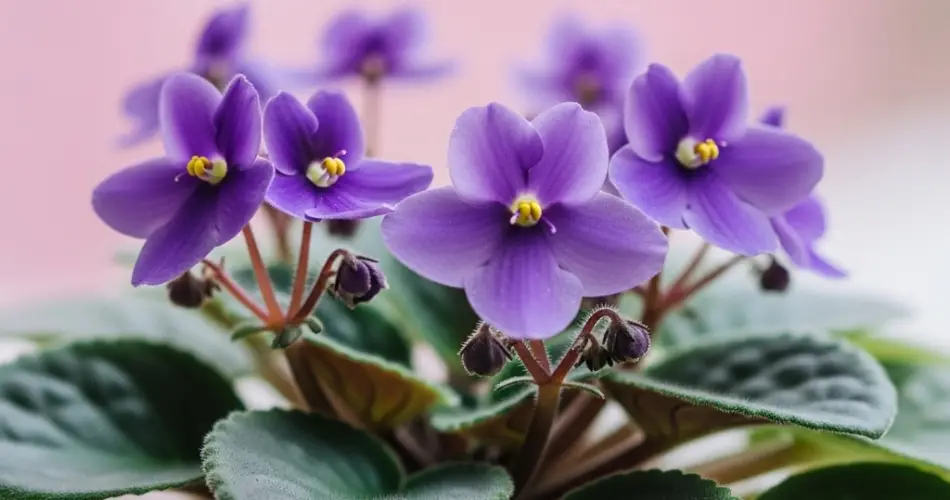
African violets (Saintpaulia) are beloved for their fuzzy leaves and vibrant blooms, but to keep these charming plants thriving, choosing the right potting mix and container is essential. These delicate tropical natives have specific needs when it comes to root health and moisture balance. If their roots are too wet, they can rot; if too dry, they’ll wilt and fail to flower.
Understanding the secrets behind the best soil and container choices will help you maintain lush foliage, encourage steady blooming, and extend the life of your African violets. Whether you’re a beginner or looking to fine-tune your care routine, this guide covers everything you need to know.
Why the Right Potting Mix Matters
African violets require a growing medium that supports air circulation, holds just the right amount of moisture, and drains quickly. Regular potting soil is usually too dense and retains too much water, which can suffocate the roots.
A proper African violet mix:
-
Is lightweight and porous
-
Allows roots to breathe
-
Drains quickly while holding enough moisture
-
Prevents soil compaction over time
This balance mimics the natural habitat of African violets, which grow in the crevices of mossy rocks in cloud forests.
Best Ingredients for African Violet Potting Mix
You can buy ready-made African violet soil from garden centers, but mixing your own gives you more control over texture and quality. A good basic blend includes:
-
1 part peat moss or coconut coir – for moisture retention and acidity
-
1 part perlite – to keep the mix airy and promote drainage
-
1 part vermiculite – to hold nutrients and prevent compaction
Additional optional ingredients include:
-
Worm castings or compost – for organic nutrients
-
Horticultural charcoal – to reduce odor and absorb toxins
-
Orchid bark – to improve structure in large containers
If using peat moss, pre-moisten it before mixing, as it tends to repel water when dry. Coconut coir is a more sustainable alternative and rehydrates easily.
Choosing the Right Container
The container you select is just as important as the soil. African violets have shallow root systems, so they do best in small, shallow pots that allow roots to spread horizontally.
Key container features:
-
Size: Choose a pot that is 1/3 the diameter of the plant’s leaf span. For example, a plant with a 6-inch leaf spread should be in a 2-inch pot.
-
Material: Plastic and glazed ceramic pots retain moisture, while unglazed clay pots allow water to evaporate more quickly. Choose based on your watering habits and home environment.
-
Drainage: Drainage holes are a must to prevent soggy roots. Never use containers without them unless part of a controlled self-watering system.
-
Self-watering pots: These are ideal for African violets, delivering consistent moisture from the bottom without wetting the leaves.
Avoid oversized pots. Too much soil can stay wet for too long, increasing the risk of rot.
How to Pot or Repot African Violets
Repot your African violet about once a year, or whenever the plant becomes root-bound or the soil no longer drains well.
Steps:
-
Gently remove the plant from its current pot.
-
Trim away dead roots or yellowed lower leaves.
-
Refresh the potting mix with a fresh batch of your airy blend.
-
Replant the violet so that the crown (where stems meet roots) is slightly above the soil surface.
-
Water lightly from below or around the edge, avoiding the crown and leaves.
If the violet has a long neck due to old leaf removal, you can bury the stem a bit deeper, but never cover the crown completely.
Soil Moisture Tips
-
Water from the bottom by placing the pot in a saucer of water for 30 minutes, then drain any excess.
-
Let the soil dry slightly between waterings—topsoil should feel dry to the touch before watering again.
-
Avoid getting water on the leaves, which can lead to spots or rot.
If you’re using a self-watering container, refill the reservoir as needed and occasionally flush the soil with clean water to remove salt buildup.
Fertilizing the Right Way
African violets appreciate light feeding throughout the year. Use a balanced, water-soluble fertilizer designed for blooming houseplants.
-
Dilute to half strength to prevent overfeeding.
-
Feed every 2–4 weeks during active growth.
-
Avoid fertilizing dry soil, as this can burn the roots.
Signs You Need to Repot
-
Water runs straight through the soil
-
The plant stops blooming or grows poorly
-
Soil becomes hard or compacted
-
Roots circle tightly around the pot bottom
-
Leaf center (crown) starts rising above the soil level
Repotting refreshes nutrients, restores soil texture, and gives the plant a healthier growing environment.
Final Thoughts
African violets are rewarding and long-lived houseplants when given the right care. At the heart of their success is a light, well-aerated potting mix and a properly sized, well-draining container. These two elements ensure the plant gets the moisture and airflow it needs while protecting it from common problems like root rot and crown damage.
With the right combination of soil, pot, and watering habits, your African violet can bloom repeatedly throughout the year—filling your home with vibrant color and natural beauty, all from a modest spot on your windowsill or tabletop.


