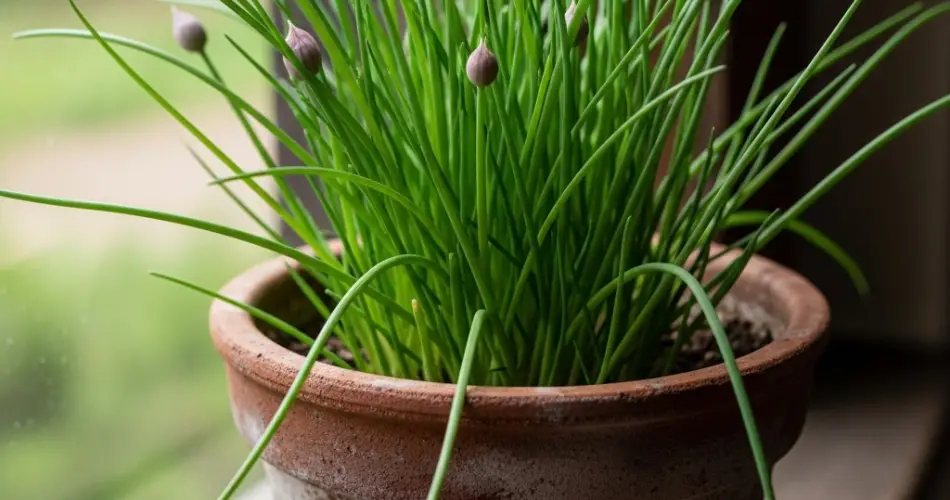
Chives are one of the easiest and most rewarding herbs to grow, known for their delicate onion-like flavor and vibrant green stalks that add a fresh burst of taste and color to many dishes. Growing chives in pots is an excellent way to enjoy a perennial harvest right at your fingertips, whether you have a spacious garden or just a small balcony or kitchen windowsill.
This article provides practical tips on potting chives and maintaining them year-round to ensure a steady supply of flavorful, healthy leaves.
Why Grow Chives in Pots?
Potting chives offers numerous benefits:
-
Space Efficiency: Perfect for small spaces like balconies, patios, or kitchen counters.
-
Portability: Move pots easily to catch the best light or protect from harsh weather.
-
Continuous Harvest: Chives are perennial and will keep producing fresh leaves for years when properly cared for.
-
Pest and Disease Control: Container growing allows better management and reduces common garden pests.
-
Year-Round Access: When grown indoors, chives can be harvested all year long.
Choosing the Right Pot for Chives
Choosing the right container is key to healthy, thriving chives:
-
Size: Select a pot at least 6 to 8 inches deep and wide. Chives have shallow roots but benefit from space to spread.
-
Material: Terracotta pots provide good airflow to roots but dry out quickly. Plastic pots retain moisture longer. Both work well if drainage is adequate.
-
Drainage: Ensure your pot has multiple drainage holes to prevent waterlogging and root rot.
Soil Requirements
Chives thrive in fertile, well-draining soil:
-
Use a high-quality potting mix rich in organic matter.
-
Adding perlite or sand can improve drainage and aeration.
-
Avoid heavy or compacted soils that retain too much moisture.
Planting Chives
-
You can start chives from seeds, divisions, or nursery plants.
-
Seeds: Sow seeds ¼ inch deep in moist soil. Germination takes 7-14 days.
-
Divisions: Divide established clumps in early spring or fall and replant in pots.
-
Nursery Plants: Buying young chive plants offers a faster start.
Light Requirements
Chives prefer full sun but tolerate partial shade:
-
Place pots in a location that receives 6-8 hours of direct sunlight daily.
-
In low light conditions, supplement with grow lights for at least 12 hours per day.
Watering Chives
Proper watering is vital for lush growth:
-
Keep soil consistently moist but not waterlogged.
-
Water when the top inch of soil feels dry.
-
Avoid overwatering, which can cause root rot.
Fertilizing Potted Chives
Chives respond well to moderate feeding:
-
Use a balanced, water-soluble fertilizer every 4 to 6 weeks during the growing season.
-
Avoid excessive nitrogen, which may reduce flavor intensity.
Harvesting Chives
-
Begin harvesting when plants reach about 6 inches tall.
-
Snip leaves from the outer edges, leaving inner shoots to grow.
-
Regular harvesting encourages new growth and prevents flowering.
-
If flowers appear, you can harvest them as edible garnish or pinch them off to prolong leaf production.
Year-Round Care Tips
Spring and Summer:
-
Keep chive pots outdoors or in a sunny indoor spot.
-
Water regularly and fertilize monthly.
-
Divide plants every 2-3 years to prevent overcrowding.
Fall and Winter:
-
If grown indoors, place pots near bright windows or use grow lights.
-
Reduce watering slightly, allowing soil to dry a bit more between watering.
-
Maintain good airflow to prevent fungal diseases.
Common Problems and Solutions
-
Yellowing Leaves: Usually caused by overwatering or poor drainage. Adjust watering and ensure pot drainage.
-
Leggy Growth: Often due to insufficient light. Increase sunlight exposure or add supplemental lighting.
-
Pests: Watch for aphids or fungal diseases; treat with insecticidal soap or neem oil if needed.
-
Crowded Clumps: Divide chives every few years to rejuvenate plants.
Benefits of Growing Chives in Pots
-
Fresh Flavor: Enjoy fresh chives whenever you want, adding zest to salads, soups, and more.
-
Easy Maintenance: Chives are hardy, low-maintenance herbs suitable for beginners.
-
Decorative: Their slender green leaves and purple flowers add visual interest to indoor and outdoor spaces.
-
Sustainability: Growing your own herbs reduces reliance on store-bought, packaged products.
Conclusion
Potting chives is a simple and rewarding way to have a perennial harvest of fresh, flavorful herbs. With the right container, well-draining soil, proper watering, and sufficient light, your chive plants can thrive year-round, providing endless snips of delicious greenery.
Whether you add them to scrambled eggs, soups, or as a fresh garnish, potted chives bring vibrant flavor and a touch of greenery to your kitchen or garden.


