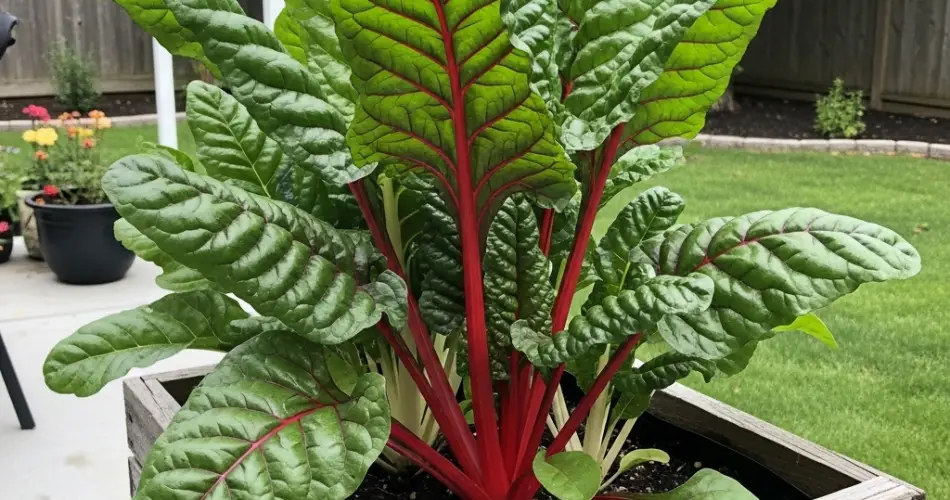
Swiss chard is a stunning, nutritious leafy green that’s perfect for container gardening. With its colorful stalks—ranging from bright red and orange to yellow and white—this plant adds a vibrant touch to any patio, balcony, or windowsill garden. It’s not only beautiful but also packed with essential vitamins and minerals, including vitamins A, C, and K, as well as iron and fiber.
Even if you’re short on outdoor space, Swiss chard grows well in pots and requires minimal maintenance, making it an excellent choice for beginner and urban gardeners alike. Here’s a detailed step-by-step guide to help you grow thriving Swiss chard in containers.
Why Grow Swiss Chard in Pots?
Swiss chard has shallow roots, which means it doesn’t require deep soil to grow. Its compact growth habit makes it ideal for container cultivation, and its tolerance for both heat and cooler weather means you can grow it in various climates throughout much of the year.
You’ll also benefit from a steady harvest, as Swiss chard is a “cut-and-come-again” crop. This means you can harvest the outer leaves and the plant will continue producing more throughout the season.
Choosing the Right Container
Select a pot that’s at least 8–10 inches deep and about 12 inches wide. You can grow multiple plants in a single large container if they are spaced properly—about 6–8 inches apart. This allows good airflow and prevents overcrowding.
Materials like plastic, ceramic, or even fabric grow bags all work well. The key is to ensure your container has adequate drainage holes to prevent root rot.
Soil and Drainage
Use a high-quality potting mix rich in organic matter. A mix containing compost, coconut coir or peat moss, and perlite or sand provides a light and well-draining base. Swiss chard grows best in slightly acidic to neutral soil with a pH of 6.0 to 7.0.
Before planting, mix in some slow-release organic fertilizer or well-aged compost to support healthy leaf production. Swiss chard benefits from nutrient-rich soil, especially nitrogen for lush green growth.
Picking the Right Variety
There are several beautiful and productive Swiss chard varieties perfect for containers:
-
Bright Lights – Offers a mix of colorful stems (red, yellow, pink, and orange)
-
Fordhook Giant – Large, broad leaves with thick white stems; very productive
-
Ruby Red – Deep red stems and dark green crinkled leaves
-
Rhubarb Chard – Similar to Ruby Red but with slightly more intense coloring
These varieties not only taste great but also provide a splash of color to your garden setup.
Planting from Seeds or Transplants
You can start Swiss chard from seeds or young seedlings.
From Seeds:
-
Soak seeds in water for a few hours to soften the seed coat.
-
Plant ½ inch deep and about 2–3 inches apart.
-
Thin the seedlings later, leaving the strongest ones about 6–8 inches apart.
From Transplants:
-
Gently place each seedling into the soil.
-
Cover the roots and press the soil around the base.
-
Water thoroughly after planting.
Swiss chard seeds tend to germinate within 7 to 14 days, depending on temperature.
Sunlight Requirements
Swiss chard thrives in full sun (6–8 hours per day), but it can also tolerate partial shade. In hot climates, providing some afternoon shade can help prevent leaf scorching and bolting (premature flowering).
Place your container in a spot where it receives plenty of indirect light or rotate it regularly for even growth.
Watering and Feeding
Swiss chard prefers evenly moist soil, but avoid waterlogging. Water when the top inch of soil feels dry. Container soil dries out more quickly than garden soil, especially in sunny conditions, so regular monitoring is important.
Feed every 2–3 weeks with a diluted liquid fertilizer or compost tea to encourage lush, continuous growth. Look for fertilizers high in nitrogen, which supports leaf development.
Pests and Disease Management
Common pests include aphids, leaf miners, and slugs. Inspect the leaves regularly, especially the undersides, and remove any pests by hand or spray with an organic insecticidal soap.
To deter slugs and snails, you can sprinkle crushed eggshells around the base of the plant. Keeping the area clean and avoiding overhead watering can also help prevent fungal issues.
Harvesting Tips
You can begin harvesting Swiss chard when the leaves are about 6–8 inches tall. Use clean scissors to snip the outer leaves about an inch above the soil, leaving the inner leaves intact to continue growing.
Avoid harvesting more than a third of the plant at once to keep it healthy and productive. With regular harvesting, Swiss chard can continue producing for months.
Seasonal Notes and Extra Tips
-
Cool-Season Planting: Swiss chard thrives in spring and fall but is also quite heat-tolerant, making it suitable for summer gardens with proper care.
-
Succession Planting: Start new seeds every few weeks to ensure a continuous harvest.
-
Winter Protection: In mild climates, chard may survive through winter. Move containers to a sheltered spot or use row covers in colder regions.
Final Thoughts
Swiss chard is a versatile, attractive, and nutritious vegetable that’s well-suited to container gardening. Whether you have a sprawling balcony or a small sunny corner indoors, you can enjoy homegrown greens year-round. With just a few pots and some basic care, you’ll be harvesting beautiful rainbow-colored leaves that brighten your meals and your living space.