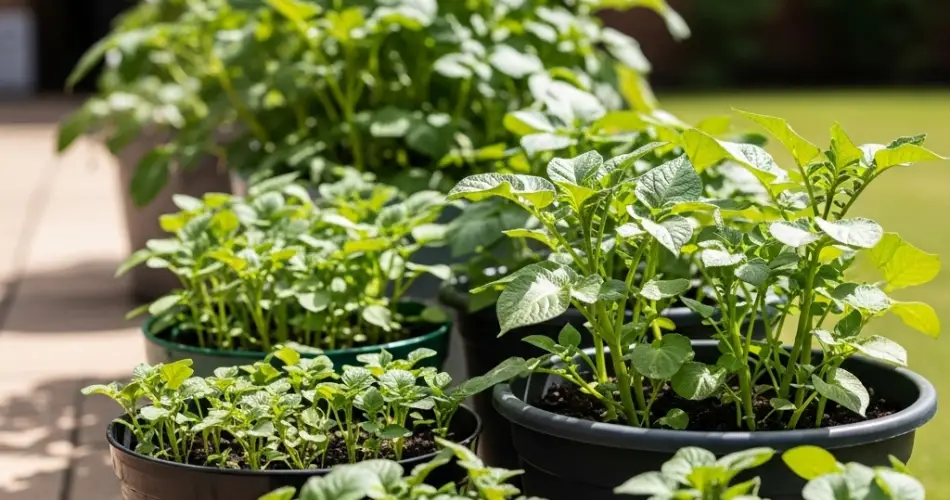
Growing potatoes in containers is an excellent solution for gardeners with limited space. It allows you to manage soil quality, water levels, and sunlight with ease. Best of all, it helps control pests and diseases that often affect potatoes grown in traditional garden beds. Choosing the right variety is the first step toward a successful container harvest. This article will guide you through the best potato varieties for container growing and offer helpful tips to ensure a bountiful yield.
Why Grow Potatoes in Containers?
Container gardening offers multiple benefits for growing potatoes. It reduces the risk of soil-borne diseases and allows you to harvest without digging up your garden. Containers also make it easier to manage moisture and provide ideal growing conditions, especially in urban settings or areas with poor soil.
When selecting potato varieties for container growing, look for compact or early-maturing types. These tend to do better in confined spaces and deliver faster results.
Best Potato Varieties for Containers
1. Yukon Gold
Yukon Gold is one of the most popular container varieties. It produces smooth, golden-skinned potatoes with creamy yellow flesh. The plants are compact and well-suited for smaller spaces. They mature in about 70 to 90 days and offer a great yield with minimal maintenance.
2. Red Pontiac
Red Pontiac is a reliable performer for container gardening. It has red skin and white flesh, with a slightly waxy texture perfect for boiling and roasting. This variety can tolerate various soil conditions and produces a large number of tubers, making it ideal for confined planting spaces.
3. Charlotte
Charlotte is a salad-type potato that thrives in containers. It’s known for its firm texture and nutty flavor. This early variety matures in just 60 to 70 days and is perfect for small harvests throughout the growing season.
4. Fingerling Potatoes
Fingerling potatoes like ‘Russian Banana’ or ‘French Fingerling’ are naturally small and slender, making them perfect for containers. They grow in clusters and are flavorful, with a creamy, buttery texture. Their small size means you can plant more per container without crowding.
5. Adirondack Blue or Red
These colorful potatoes not only add visual interest to your garden but also grow well in containers. They have antioxidant-rich flesh and a creamy texture. While they take a bit longer to mature (around 80 to 100 days), they are worth the wait for their unique appearance and flavor.
6. Early Varieties like ‘Rocket’ or ‘Swift’
These ultra-early potatoes mature in as little as 60 days. They’re ideal if you want a quick harvest or want to experiment with staggered planting for continuous yields. Their small size and fast growth habit make them perfect candidates for container gardens.
Tips for Successful Container Potato Growing
1. Choose the Right Container
Use a container that’s at least 40 liters (10 gallons) in size with good drainage. Potato grow bags, buckets, and large pots all work well. The container should be deep enough (at least 12-15 inches) to allow for root expansion and hilling.
2. Use Quality Soil Mix
Fill your container with a well-draining, nutrient-rich potting mix. Avoid using heavy garden soil, which can compact and lead to poor tuber development. You can mix compost with peat moss and perlite for optimal results.
3. Plant Properly
Place seed potatoes 4–6 inches deep in the container. Start with a layer of soil at the bottom, then continue hilling up (adding soil) as the plant grows. This encourages tubers to form along the buried stem.
4. Water Consistently
Potatoes need consistent moisture, especially during tuber formation. Water deeply but avoid waterlogging the container. A good rule is to keep the soil moist but not soggy.
5. Provide Sunlight
Potatoes require 6 to 8 hours of sunlight daily. Place your containers in a sunny location, such as a balcony, patio, or rooftop.
6. Fertilize Appropriately
Feed your potatoes with a balanced fertilizer or one high in potassium to support tuber growth. Avoid excessive nitrogen, which promotes leafy growth at the expense of tubers.
Harvesting Your Potatoes
Once the plants flower and begin to yellow, it’s a sign that your potatoes are ready. For new potatoes, you can harvest earlier—just gently dig around the base of the plant. For full-sized tubers, wait until the plant dies back. Carefully dump out the container and retrieve your harvest.
Final Thoughts
Growing potatoes in containers is both fun and rewarding. Whether you prefer waxy red varieties or golden buttery spuds, there’s a container-friendly option that suits your needs. With the right setup and a little attention, you can enjoy homegrown potatoes even in the smallest of spaces.


