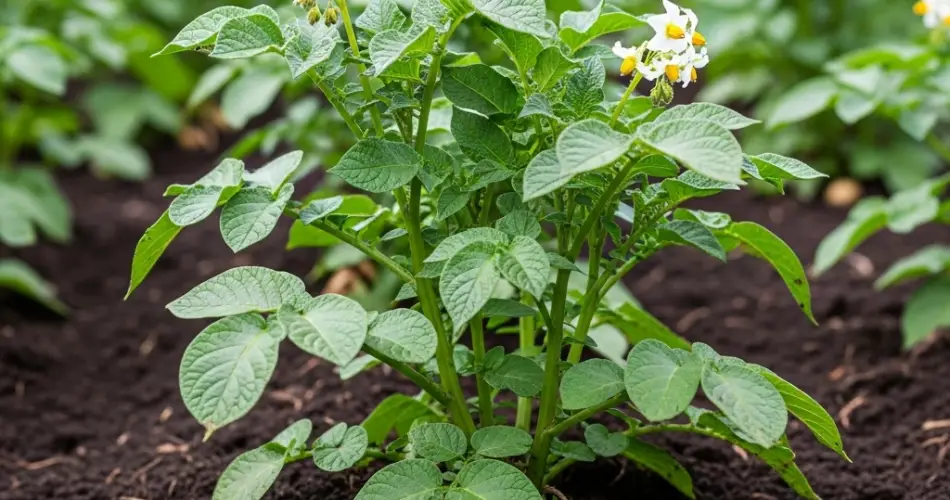
Potatoes are one of the most rewarding crops to grow, but if your plants start turning yellow, it can be a sign that something is going wrong beneath the surface. Yellowing potato leaves can indicate a variety of issues, from simple nutrient deficiencies to more serious diseases or environmental stress. Knowing how to identify the cause and apply the right solution is essential to saving your crop and ensuring a healthy harvest.
In this article, we’ll walk through the most common causes of yellowing leaves on potato plants and what you can do to fix the problem.
1. Natural Maturity – Is It Just Time to Die Back?
Before assuming there’s a problem, check if your plants are simply nearing the end of their life cycle. As potato plants mature, especially after they’ve flowered, the leaves naturally yellow and die back. This is completely normal and actually signals that the tubers are finishing development underground.
What to do:
If your potatoes have already flowered and it’s close to harvest time (usually 10–12 weeks after planting), yellowing may not be a problem at all. Let the foliage die back completely, then wait about 2 weeks before harvesting to allow the skins to toughen.
2. Watering Issues – Too Much or Too Little
Overwatering and underwatering are both common causes of yellow leaves. Potatoes need consistent moisture, but they don’t tolerate soggy soil.
-
Overwatering can lead to root rot and oxygen deprivation, turning leaves yellow and mushy.
-
Underwatering causes drought stress, leading to dry, yellow, and wilting leaves.
What to do:
Check soil moisture by sticking your finger 1–2 inches into the soil. If it feels waterlogged or bone dry, adjust your watering routine. Aim to water deeply about once a week, depending on weather conditions, and ensure your soil drains well. Raised beds or loose soil help prevent waterlogging.
3. Nutrient Deficiencies
Yellowing leaves—especially lower, older leaves—can signal a nutrient imbalance.
-
Nitrogen deficiency often shows as uniform yellowing of older leaves.
-
Magnesium deficiency might cause yellowing between the veins (interveinal chlorosis).
-
Potassium deficiency may lead to yellow edges and weak stems.
What to do:
Feed your plants with a balanced fertilizer or a specific nitrogen-rich fertilizer if nitrogen is lacking. Compost, well-rotted manure, or organic liquid feeds like fish emulsion can also boost nutrition. Conducting a soil test is ideal to pinpoint which nutrients are missing.
4. Pest Damage
Insects such as aphids, potato psyllids, or flea beetles can cause yellowing by feeding on plant sap or spreading disease.
-
Aphids: Often found on the undersides of leaves, they can stunt growth and spread viruses.
-
Potato psyllids: Cause a condition known as “psyllid yellows,” resulting in curled and yellow leaves.
-
Flea beetles: Leave tiny holes and may lead to yellowing due to leaf damage.
What to do:
Inspect your plants closely. If pests are present, use insecticidal soap, neem oil, or row covers to manage the problem. Encourage beneficial insects like ladybugs to keep populations in check.
5. Fungal or Bacterial Disease
Yellowing can also be a sign of more serious issues like:
-
Early blight: Causes brown spots with yellow halos.
-
Verticillium wilt: Starts with yellowing on one side of the plant and progresses upward.
-
Bacterial wilt: Plants wilt rapidly, and the yellowing spreads quickly.
What to do:
Remove and dispose of infected plants immediately—do not compost them. Rotate your crops each year and avoid planting potatoes in the same soil for at least 2–3 years. Use certified disease-free seed potatoes and keep the area clean and weed-free.
6. Viral Infections
Viruses such as Potato Virus Y (PVY) can cause yellowing, mottling, and stunted growth. These infections are usually spread by aphids or through infected seed potatoes.
What to do:
There’s no cure for viral infections. Remove and destroy affected plants. Always plant certified virus-free seed potatoes and control aphid populations to minimize spread.
Prevention Tips for Healthier Potato Plants
-
Start with healthy seed potatoes: Always choose certified disease-free stock.
-
Rotate crops: Don’t plant potatoes in the same spot every year.
-
Mulch and water properly: Retain moisture and suppress weeds without waterlogging.
-
Fertilize wisely: Provide balanced nutrition throughout the growing season.
-
Inspect regularly: Catch signs of pests or disease early before they spread.
Final Thoughts
Yellowing leaves on potato plants aren’t always a disaster, but they’re a sign your plant is trying to tell you something. By diagnosing the issue correctly—whether it’s natural aging, watering problems, nutrient deficiencies, pests, or disease—you can take action before your crop is affected. With a bit of observation and timely care, you’ll keep your potato patch thriving until harvest.


