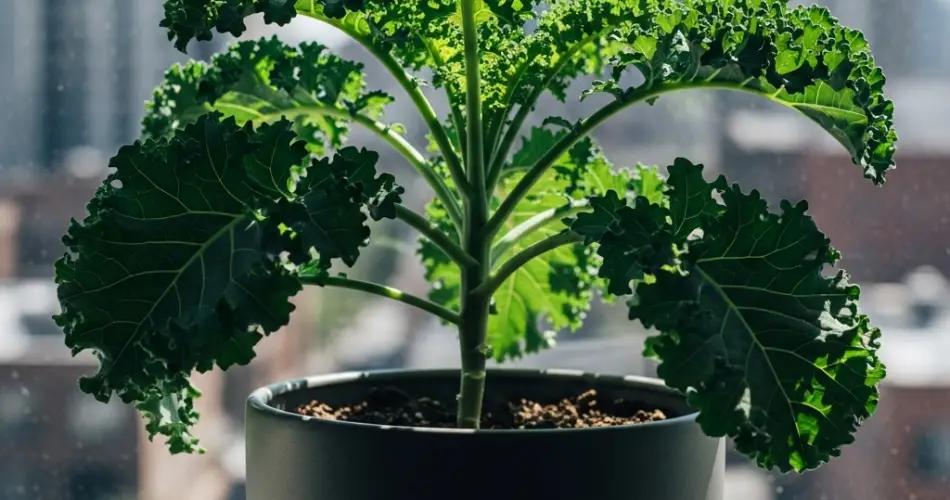
Kale is one of the most nutritious leafy greens you can grow, and it thrives just as well in pots as it does in the ground. Whether you have a spacious balcony, a sunny doorstep, or a small patio, pot-grown kale provides a steady supply of crisp, flavorful leaves for smoothies, stir-fries, and salads. With a little care and the right setup, you can enjoy fresh kale harvests over several months—even in compact spaces.
Why Grow Kale in Pots?
Kale is a hardy, low-maintenance plant that doesn’t require much space to grow. Containers are ideal for managing soil quality, preventing pests, and controlling environmental conditions. Growing kale in pots allows you to:
-
Move plants to chase sunlight.
-
Avoid overcrowding and soil-borne diseases.
-
Extend your growing season by relocating pots in extreme weather.
Kale also tolerates cooler temperatures better than many other leafy greens, making it a great crop for fall and winter container gardening.
Best Kale Varieties for Containers
Several types of kale perform well in pots, especially those with compact growth habits or leaves that can be picked regularly. Consider these varieties for the best results:
-
Dwarf Blue Curled: Compact, cold-hardy, and perfect for pots.
-
Lacinato (Dinosaur or Tuscan Kale): Upright, narrow leaves that grow vertically, saving space.
-
Red Russian: Frilly leaves with reddish stems, fast-growing and flavorful.
-
Baby kale blends: Ideal for cut-and-come-again harvesting.
Choose based on your climate, taste preferences, and how much space you have. Dwarf varieties are especially useful for smaller containers or window boxes.
Choosing the Right Container
Kale grows a deep root system, so select a pot at least 12 inches deep and 12–16 inches wide. This gives enough room for healthy root development and supports the plant as it matures. You can grow one kale plant per pot, or multiple plants in a larger container or grow bag.
Make sure the container has drainage holes to prevent root rot. Terracotta, plastic, ceramic, or fabric grow bags all work well. Just ensure proper airflow and drainage to keep your kale healthy.
Soil and Fertilizer
Use a high-quality, well-draining potting mix that’s rich in organic matter. Kale prefers slightly acidic to neutral soil (pH 6.0–7.0) and benefits from added compost or aged manure. Avoid garden soil, which can compact in containers and retain too much moisture.
Before planting, mix in a slow-release organic fertilizer or add compost to enrich the soil. As kale grows, feed it every 2–3 weeks with a diluted liquid fertilizer high in nitrogen to encourage lush leaf production. Seaweed extract or fish emulsion are great organic choices.
Sowing and Transplanting
Kale can be started from seeds or transplants. If sowing directly into the pot:
-
Plant seeds ½ inch deep and 3–4 inches apart.
-
Thin seedlings once they reach 2–3 inches tall, keeping only the strongest plants.
If using transplants, space them about 8–12 inches apart to give them room to grow. For continuous harvests, sow a new batch every few weeks, especially if you’re growing baby kale for salads.
Sunlight and Watering
Kale prefers full sun—6 to 8 hours daily—but tolerates partial shade, especially in hotter climates. In warm regions, providing some afternoon shade helps prevent wilting and bitterness.
Keep the soil consistently moist, but not soggy. Water deeply when the top inch of soil feels dry. In hot or windy conditions, container soil dries out quickly, so check your pots daily. Mulching with straw or dried leaves helps retain moisture and keeps roots cool.
Harvesting Kale for Long-Term Yield
Start harvesting baby leaves when they are about 4–5 inches long. For mature plants, pick the outer leaves first, leaving the center growth intact. This encourages continuous production, and the plant can yield for months with regular picking.
Don’t wait too long—older leaves can become tough and bitter. Frequent harvesting not only gives you tender leaves but also signals the plant to grow more.
As the plant matures, remove any yellowing or damaged leaves at the base. This keeps the plant healthy and encourages fresh leaf growth.
Pest and Disease Management
While kale is hardy, it can attract pests like aphids, cabbage worms, and whiteflies. Inspect leaves regularly and remove pests by hand or use insecticidal soap or neem oil sprays as needed. Floating row covers can also protect young plants.
To avoid fungal diseases, ensure good air circulation and avoid watering from above. Clean the pots between planting cycles to reduce disease risks.
Final Tips for Success
-
Rotate your pots weekly if only one side receives sunlight.
-
Use lightweight containers if you need to move them frequently.
-
Grow companion plants like garlic or herbs nearby to deter pests.
Kale is a resilient and rewarding crop for container gardeners. With just a few pots and some care, you can enjoy a reliable harvest of nutrient-rich greens from your own home. Whether you’re growing it for health, flavor, or convenience, pot-grown kale is a smart and satisfying addition to any urban garden.


