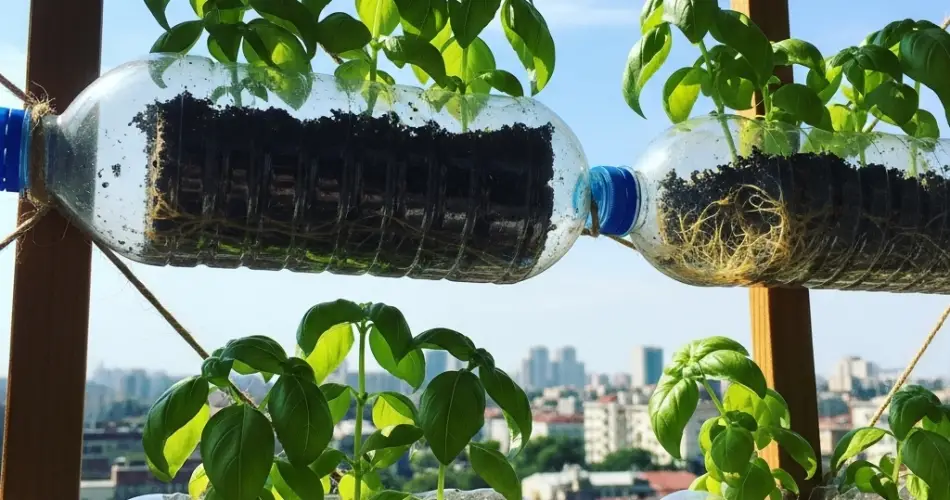
Basil is one of the most loved kitchen herbs, celebrated for its rich aroma and fresh, peppery-sweet flavor. It’s the foundation of classic recipes like pesto and pairs beautifully with tomatoes, pasta, and countless other dishes. While it’s easy enough to grow basil from seed, one of the simplest and fastest ways to expand your supply is through cuttings. Using a recycled plastic bottle, you can propagate basil cuttings with minimal effort and little to no cost.
This simple hack allows you to turn a single basil plant into multiple thriving ones, ensuring you’ll always have fresh leaves for your cooking.
Why Propagate Basil from Cuttings?
Growing basil from seed can take several weeks before you have a plant large enough to harvest. By contrast, cuttings can root within 7–14 days, meaning you’ll have a new, ready-to-grow plant much faster.
Propagation also helps extend the life of basil. Because basil is typically grown as an annual, it eventually flowers and declines. By taking cuttings from a healthy plant before it bolts, you can start fresh plants and continue your harvest season.
Another benefit is sustainability. By reusing a plastic bottle, you not only save money but also reduce waste, giving the container a new purpose in your garden.
Choosing the Right Basil Cuttings
For best results, start with a healthy, mature basil plant. Choose stems that are free from flowers, as flowering signals the plant is moving away from leafy growth. Select a stem that is about 4–6 inches long and has at least 3–4 sets of leaves.
When cutting, use clean scissors or pruning shears to prevent infection. Snip the stem just below a leaf node—the point where leaves attach to the stem. This is where roots are most likely to emerge.
Remove the lower sets of leaves, leaving just the top two or three pairs intact. This prevents excess moisture loss and directs energy into root development.
Preparing the Plastic Bottle
A simple plastic water or soda bottle is all you need. Cut the bottle in half, keeping both the bottom and the top portion. The bottom half will serve as a water container, while the top can be inverted to create a mini greenhouse effect if desired.
Fill the bottom half with clean water, making sure it’s not chlorinated. If using tap water, allow it to sit for 24 hours before adding cuttings so the chlorine dissipates.
Rooting the Basil Cuttings
Place the prepared basil cuttings into the bottle of water, ensuring that the nodes where you removed leaves are submerged. Keep the remaining leaves above the water line.
Position the bottle in a warm, bright area, such as a sunny windowsill. Basil thrives in sunlight, so aim for at least six hours of indirect or filtered light daily. Direct, intense sunlight can heat the water too quickly, so a balance is key.
Change the water every few days to prevent stagnation and bacterial growth. Within a week, you should begin to see small white roots emerging from the nodes. By the two-week mark, roots should be long and strong enough for transplanting.
Transplanting to Soil
Once your basil cuttings have developed roots about 2 inches long, they’re ready to be moved into soil.
Choose a small pot with good drainage holes and fill it with a high-quality potting mix enriched with compost. Make a hole in the soil with your finger or a pencil, gently place the cutting inside, and cover the roots with soil. Water lightly to settle the plant.
Keep the new basil plants in a bright, warm location and water regularly to keep the soil moist but not waterlogged. In a few weeks, your cuttings will establish themselves and begin producing new leaves.
Caring for Your New Basil Plants
Like all basil, propagated plants need plenty of sunlight—ideally 6–8 hours a day. If growing indoors, place them near a sunny window or use grow lights.
Regular watering is essential, but basil doesn’t like soggy soil. Water when the top inch feels dry. To encourage bushier growth, pinch off the top leaves regularly. This prevents the plant from getting leggy and promotes more side branches.
Fertilize every 3–4 weeks with a balanced liquid fertilizer or compost tea to keep the plants healthy and productive.
Advantages of the Bottle Propagation Method
-
Low-cost and sustainable: Uses recycled plastic bottles.
-
Fast results: Roots develop in as little as a week.
-
Beginner-friendly: Requires little gardening experience.
-
Space-saving: Can be done even in small kitchens or apartments.
Final Thoughts
Propagating basil cuttings in a plastic bottle is an easy, eco-friendly gardening hack that ensures you’ll never run short of fresh leaves. It requires minimal effort, making it perfect for both beginner gardeners and seasoned herb lovers.
With just a few cuttings and a repurposed bottle, you can enjoy an endless supply of basil straight from your kitchen windowsill. Whether you use it in sauces, salads, or as a garnish, your meals will always benefit from the flavor and freshness of homegrown basil.


