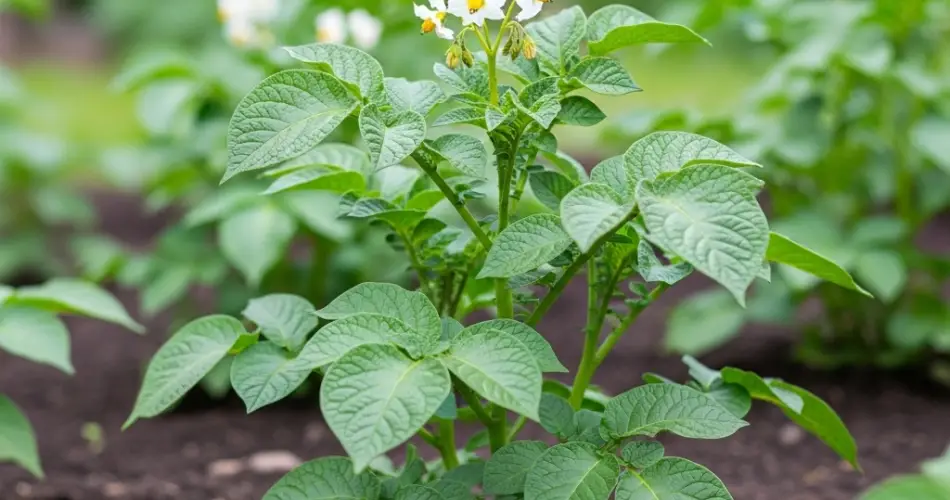
Potatoes are one of the most rewarding crops to grow at home. They don’t require much space, are relatively low-maintenance, and can produce an abundant harvest when planted correctly. Whether you’re a beginner gardener or have years of experience, there are specific techniques that can dramatically boost your potato yield. Here’s a guide to getting the most out of your potato patch this season.
1. Start with Quality Seed Potatoes
Success begins with selecting the right seed potatoes. These are not the same as the potatoes you buy in the grocery store. Seed potatoes are certified disease-free and specially cultivated for planting. Always choose firm, healthy-looking tubers. If you’re using sprouted potatoes from your kitchen, ensure they are free from mold or soft spots. Cut larger seed potatoes into pieces with at least one or two “eyes” (sprouts), and allow them to air dry for a day or two to prevent rot.
2. Prepare the Soil the Right Way
Potatoes thrive in loose, well-draining soil that is rich in organic matter. Avoid heavy clay soils unless they are heavily amended with compost or sand to improve drainage. Potatoes prefer slightly acidic soil, with a pH between 5.5 and 6.5. Before planting, loosen the soil to a depth of 10–12 inches (25–30 cm) and mix in well-rotted compost or aged manure. Avoid using fresh manure, as it can promote disease.
3. Plant Deep and Hill Regularly
One of the secrets to growing tons of potatoes is understanding the importance of hilling. Plant your seed potatoes 4 inches (10 cm) deep and about 12 inches (30 cm) apart in rows. As the potato plants grow, you’ll need to “hill” them—this means piling soil or compost around the base of the plants to encourage more tuber production along the buried stems. Repeat hilling every couple of weeks until the plants are well-established. This method prevents sun exposure to developing tubers (which turns them green and toxic) and boosts your yield.
4. Water Consistently
Potatoes need consistent moisture, especially during the tuber formation stage. Water deeply once or twice a week, depending on your soil and climate. Avoid overhead watering, which can encourage disease. Instead, water at the base of the plants or use a drip irrigation system. Too much water can cause the tubers to rot, while too little can stunt growth, so balance is key.
5. Use Mulch for Moisture and Weed Control
A thick layer of organic mulch—such as straw, dried leaves, or grass clippings—helps conserve soil moisture, regulate temperature, and suppress weeds. Mulch also acts as a natural barrier, keeping developing tubers covered and protected from sunlight. Start mulching once the plants are a few inches tall and continue to add more as they grow.
6. Feed Your Plants
While compost-rich soil gives potatoes a strong start, supplemental feeding can enhance growth. Apply a balanced organic fertilizer or one that is lower in nitrogen and higher in phosphorus and potassium (such as 5-10-10) to promote tuber development. Overfeeding with nitrogen can lead to lush foliage but fewer potatoes, so be cautious.
7. Watch for Pests and Diseases
Potatoes are prone to a few common pests and diseases, such as Colorado potato beetles, aphids, and fungal blights. Hand-pick beetles and larvae if possible, or use organic pest control methods like neem oil or insecticidal soap. Rotate your potato crops each year to reduce the risk of soil-borne diseases, and avoid planting potatoes in the same area more than once every three years.
8. Harvest at the Right Time
Early potatoes can be harvested about 10–12 weeks after planting, when the plants begin to flower. For a full harvest, wait until the foliage dies back completely. Carefully dig up the tubers with a garden fork, being gentle to avoid damaging them. Let the potatoes cure in a dry, well-ventilated area for a few days before storing.
9. Store Properly for Long-Term Use
Once cured, store your potatoes in a cool, dark, and dry place. Ideal conditions are around 45–50°F (7–10°C) with good air circulation. Avoid storing them in plastic bags or airtight containers, as this can lead to rot. Under the right conditions, homegrown potatoes can last for several months.
By following these steps—starting with quality seed potatoes, preparing your soil properly, and maintaining good care throughout the growing season—you can look forward to harvesting an impressive quantity of fresh, flavorful potatoes. With a little effort, your garden can provide more than enough for your household and maybe even a few neighbors.


