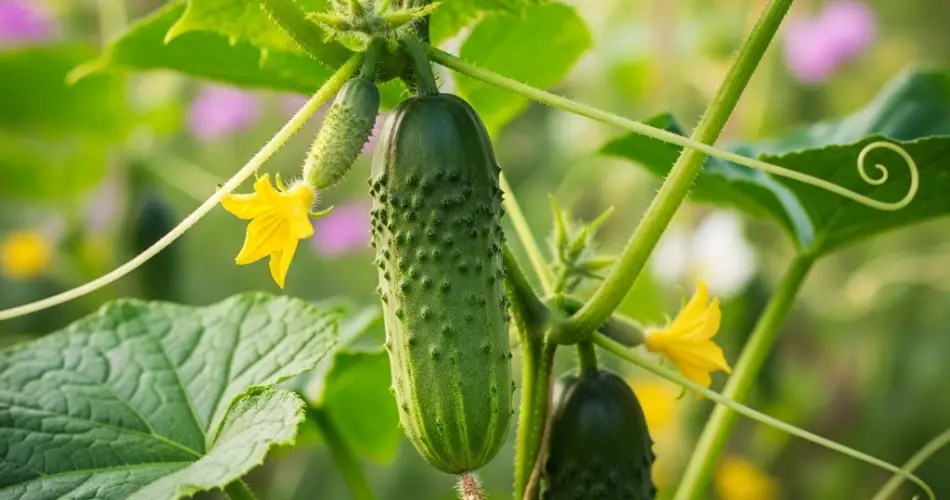
Cucumbers are a favorite in many home gardens—not only are they easy to grow, but they also produce generous yields with proper care. Yet, many gardeners struggle with inconsistent fruiting, yellowing leaves, or poor growth. The solution? A single spoonful of a simple, natural ingredient can dramatically transform your cucumber plants and lead to a more abundant harvest.
The Secret Ingredient: Wood Ash
The key to this method is wood ash, a natural byproduct of burned wood that’s often overlooked in modern gardening. Rich in essential minerals and completely organic, wood ash can give your cucumber plants a significant boost in health and productivity—especially when used at the right time and in the right amount.
Why Wood Ash Works Wonders for Cucumbers
Wood ash contains a wealth of nutrients that plants need, most notably potassium, calcium, magnesium, and phosphorus. Among these, potassium plays a critical role in flowering and fruit development, which is exactly what cucumbers need during their growing phase.
Potassium helps regulate water movement in plant cells, supports photosynthesis, and strengthens overall plant structure. A deficiency in this nutrient often results in weak plants and low fruit yields. By adding just a spoonful of wood ash to the soil, you can address this deficiency and promote vigorous growth and heavy fruiting.
Wood ash also has a mild alkaline effect on the soil, which can help neutralize overly acidic soils and improve nutrient availability—especially in areas with heavy rainfall or poor soil quality.
How to Use Wood Ash in Your Garden
What you’ll need:
-
1 tablespoon of dry, clean wood ash
-
Watering can (optional)
-
Gloves (recommended)
Application method:
-
Choose the right time – Apply wood ash once the cucumber plants are well established and begin to form flowers. This ensures the nutrients go straight to supporting fruit production.
-
Sprinkle at the base – Take one tablespoon of wood ash and sprinkle it directly around the base of each cucumber plant. Be careful not to let the ash touch the stems or leaves, as its alkaline nature can cause irritation or minor burn spots.
-
Water lightly – After applying the ash, gently water the soil to help the nutrients seep in and become available to the plant roots.
You can repeat this treatment once every 2 to 3 weeks during the fruiting season for ongoing benefits. Avoid overuse, as excessive ash can raise soil pH too much.
Important Notes and Precautions
-
Only use ash from untreated wood—do not use ash from painted, varnished, or chemically treated wood, as it may contain harmful residues.
-
Store unused ash in a dry, sealed container to prevent moisture absorption and nutrient loss.
-
Test your soil pH if you’re unsure about its acidity. If your soil is already alkaline, avoid using wood ash to prevent imbalances.
Other Ways to Boost Cucumber Growth
While wood ash offers a powerful nutrient boost, combining it with smart gardening practices will maximize results:
-
Mulch around plants – Mulching helps retain moisture and suppress weeds, both of which support cucumber growth.
-
Provide vertical support – Cucumbers grow best with trellises or cages, which allow air circulation and make harvesting easier.
-
Water regularly – Cucumbers need consistent moisture. Water deeply and frequently, especially during dry spells.
-
Pollination help – Encourage bees and pollinators in your garden to ensure flowers are pollinated, leading to more fruits.
The Results to Expect
With regular wood ash application and proper care, most gardeners notice:
-
Lusher vines and foliage
-
More flowers and better fruit set
-
Higher cucumber yields per plant
-
Healthier, pest-resistant growth
Cucumbers fed with potassium-rich nutrients tend to produce more consistently throughout the season and show less susceptibility to issues like blossom end rot or leaf curling.
A Simple, Eco-Friendly Gardening Hack
Gardening doesn’t have to be expensive or reliant on synthetic fertilizers. Sometimes, the most powerful solutions are free and already available in your backyard. Wood ash, when used correctly, is a sustainable and effective way to enhance your cucumber harvest naturally.
Just one spoonful is enough to see visible improvements in plant health and productivity. Whether you’re growing cucumbers for fresh eating, pickling, or sharing with neighbors, this natural trick is an easy step toward a thriving and fruitful garden.


