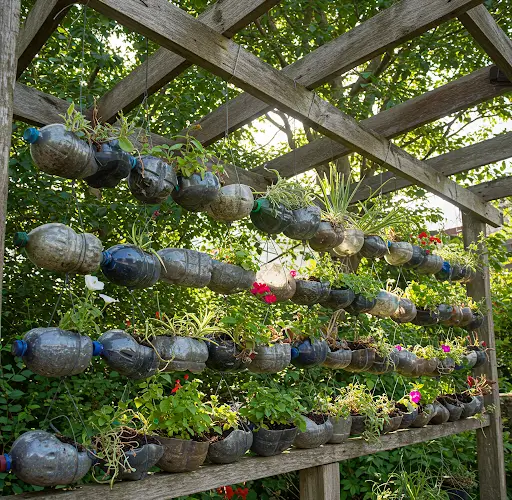
How to Plant in PET Bottles and Create the Best Drainage System
Recycling and reusing materials in gardening can be both environmentally friendly and cost-effective. One excellent way to repurpose PET bottles is by using them as plant containers. This guide will walk you through the process of planting in PET bottles and setting up an optimal drainage system to ensure your plants thrive.
Why Use PET Bottles for Planting?
PET bottles are widely available, easy to modify, and provide a clear view of the soil and root system. This transparency allows you to observe the drainage process and root health over time. Additionally, PET bottles are lightweight, making them ideal for small-space gardening.
Materials Needed
- A clean PET bottle (transparent is preferable)
- A heated nail or drill for making drainage holes
- A piece of cloth or filter material (e.g., an old T-shirt)
- Sand
- Expanded clay, gravel, or broken ceramic pieces
- High-quality soil mix (comprising loamy soil, compost, and sand)
- A small plant or seeds
- A small gardening tool (optional)
Step-by-Step Guide
1. Preparing the PET Bottle
Begin by cutting the PET bottle to your desired height. Ideally, leave enough depth to allow proper root development. If you are making a vertical planter, cut only the top part and keep the bottle tall.
2. Creating Drainage Holes
To prevent waterlogging, make several holes at the bottom of the bottle. Using a heated nail or drill is recommended, as this method prevents the plastic from cracking. These holes allow excess water to escape, ensuring proper aeration for the roots.
3. Adding a Filtration Layer
Before adding the soil, place a piece of cloth, mesh, or a coffee filter at the bottom of the bottle. This will help prevent soil particles from clogging the drainage holes while allowing water to pass through.
4. Layering the Drainage System
To ensure efficient water flow, start with a base layer of sand. This prevents the soil from compacting at the bottom. Next, add a layer of expanded clay, gravel, or broken ceramic pieces. These materials will enhance drainage by preventing water from pooling at the base.
5. Adding the Soil Mix
Use a well-balanced soil mix for optimal plant growth. A recommended mixture includes:
- 70% loamy soil with decomposed organic matter (e.g., compost or aged manure)
- 20% high-quality substrate or potting mix
- 10% sand to improve aeration and prevent compaction
Once you have prepared the soil mix, add it to the PET bottle, leaving some space at the top for planting.
6. Planting the Seedlings or Seeds
Create a small hole in the soil using your finger or a small tool. Place the seedling or seeds into the hole and gently cover the roots with soil. Press lightly to ensure good contact between the roots and the soil.
7. Watering and Maintenance
After planting, water the soil evenly. The filtration system will help excess water drain out while retaining enough moisture for plant growth. Keep an eye on the moisture levels and adjust watering frequency based on plant requirements.
Additional Tips for Success
- Choose the Right Plant: Some plants adapt better to container gardening than others. Herbs, leafy greens, and small flowering plants are ideal for PET bottle planters.
- Positioning the Planter: Ensure your plant receives the appropriate amount of sunlight based on its needs.
- Regularly Check Drainage: If you notice water stagnation, add more drainage materials or increase the number of drainage holes.
- Fertilization: If your plant needs extra nutrients, consider using organic fertilizers such as compost tea or worm castings.
Conclusion
Using PET bottles as plant containers is an excellent way to create an affordable, sustainable garden. By following these steps, you can ensure proper drainage, healthy root development, and vibrant plant growth. Whether you are a beginner or an experienced gardener, this technique is an effective and eco-friendly solution for urban gardening and small spaces.


