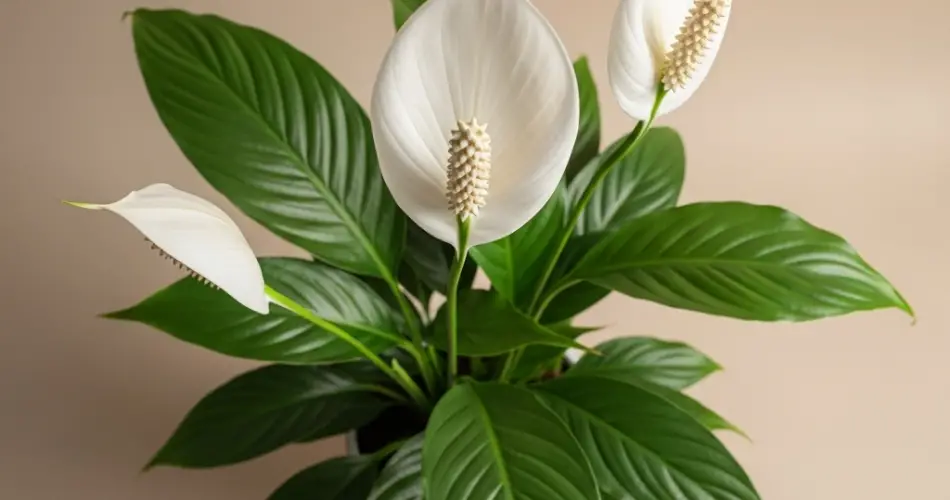
The peace lily (Spathiphyllum) is one of the most loved indoor plants, thanks to its graceful white blooms and air-purifying abilities. However, many plant owners struggle to maintain its lush appearance or get it to bloom consistently. If your peace lily has stopped flowering or its foliage looks thin and tired, a simple home remedy can completely change its condition—just by placing one powerful natural ingredient underneath the soil.
This organic method not only boosts leaf production but also encourages your peace lily to bloom in all four seasons, defying its usual flowering cycle. Read on to learn what to use, how to apply it, and why it works.
Understanding Peace Lily Needs
Peace lilies are tropical plants that thrive in warm, humid conditions with filtered light. They’re sensitive to overwatering, cold temperatures, and nutrient deficiencies. When neglected or underfed, peace lilies tend to develop fewer leaves and stop flowering altogether.
To encourage year-round health and blooming, they need more than just water and sunlight—they also benefit from a steady supply of essential nutrients, particularly phosphorus for flowers and nitrogen for foliage.
The Secret Boost: A Natural Organic Fertilizer
The method involves burying a simple kitchen ingredient under the peace lily: a banana peel.
Banana peels are rich in potassium, phosphorus, magnesium, and other trace elements that are essential for strong roots, vibrant leaves, and long-lasting blooms. When buried under the soil, banana peels break down slowly, releasing nutrients over time and feeding the plant directly at the root level.
This natural approach is free from harsh chemicals, safe for pets and people, and incredibly easy to implement—yet the results can be astonishing, with some growers reporting dramatic increases in both foliage and flowering.
How to Apply the Banana Peel Method
What You’ll Need:
-
1 ripe banana peel (fresh or dried)
-
A small trowel or spoon
-
Optional: a handful of used coffee grounds or crushed eggshells for added nutrients
Step-by-Step Instructions:
-
Choose the Right Time: Apply this method during the growing season (spring or early summer) for the fastest visible results. However, it can be used year-round indoors.
-
Prepare the Soil: Lightly loosen the top layer of soil around your peace lily, being careful not to disturb the roots.
-
Add the Banana Peel: Cut the banana peel into small pieces to speed up decomposition. Bury the pieces about 2–3 inches deep, evenly spaced around the root zone.
-
Enhance with Additives (Optional): For a nutrient-rich boost, add a teaspoon of used coffee grounds (for nitrogen) or crushed eggshells (for calcium).
-
Water Gently: Water the soil as usual. The moisture will help break down the organic matter and start nutrient absorption.
What Happens Next
Over the following weeks, you’ll begin to see improvements in your plant’s overall health. New, glossy leaves may appear more rapidly, and flower stalks could emerge even outside the typical bloom cycle. The peace lily responds well to organic feeding, showing stronger root activity and richer foliage.
The potassium in the banana peel supports cellular function and overall plant vigor, while phosphorus encourages blooming. Magnesium plays a key role in chlorophyll production, helping to keep leaves deep green and free from yellowing.
Maintenance and Repeat Application
You can repeat this process once every 6 to 8 weeks to maintain nutrient levels in the soil. Be sure not to overdo it—too much organic matter can attract pests or cause root issues in compacted soil. Always bury the peels well and avoid leaving them exposed on the surface.
Additional Peace Lily Care Tips
-
Light: Peace lilies prefer bright, indirect light. Too much direct sun can scorch the leaves, while too little can prevent flowering.
-
Humidity: Mist the plant occasionally or use a pebble tray to maintain humidity levels, especially during dry seasons.
-
Watering: Keep the soil evenly moist, but not soggy. Let the top inch dry out before watering again.
-
Cleaning Leaves: Wipe the leaves regularly with a damp cloth to help them absorb more light and stay dust-free.
Final Thoughts
If your peace lily is looking lackluster or hasn’t bloomed in months, don’t rush to buy expensive fertilizers. Try this natural method instead—just place a banana peel under the soil and let nature do the rest. You’ll be amazed at how quickly your plant transforms, producing lush leaves and elegant blooms that can last all year.
This simple technique could be the secret to turning your peace lily into a stunning centerpiece—green, vibrant, and flowering like never before.


