Getting fined for improper waste disposal can be frustrating. Most people believe they know exactly how to throw away their trash — after all, it’s something we do every day. However, when that unexpected fine arrives, it becomes clear that many of us aren’t as informed as we think. Waste separation rules are more specific than they seem, and failing to follow them can easily lead to costly mistakes.
Waste disposal: rules that vary from town to town
Every municipality in Italy has its own regulations governing waste collection and disposal. Local rules determine how trash should be divided, what types of waste go into each bin, and even the days and times when certain materials can be thrown away. These schedules and guidelines are meant to keep the city clean and ensure that recycling systems work efficiently. Ignoring them, however, can result in unpleasant surprises — often in the form of hefty fines.
In the past, taking out the trash was simple: open the nearest bin and toss everything inside. Today, things are quite different. Municipal authorities expect citizens to respect separation rules carefully. The goal is not just to keep the city tidy, but also to protect the environment and improve recycling efficiency.
Unfortunately, not everyone is aware of these updates, and this lack of knowledge is one of the main reasons people get fined.
The pizza box dilemma: where does it go?
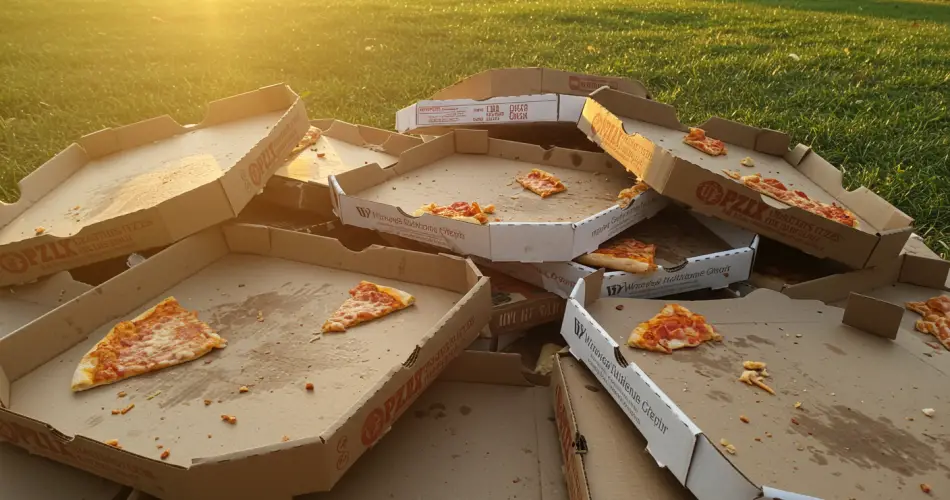
A common source of confusion concerns the pizza box — a seemingly simple item that often causes problems when it comes to recycling. On Saturday nights, millions of Italians enjoy a pizza at home. When the meal is over, the question arises: where should the pizza box go? In the paper bin? The organic waste? Or perhaps the general waste bin?
The answer depends on one crucial detail — whether or not the box is clean. While pizza boxes are made of cardboard, they don’t always belong in the paper recycling bin. If the box is completely clean, meaning there are no grease stains or leftover cheese stuck to it, then yes, it can safely go into the paper or cardboard recycling bin.
However, if the box is stained with oil, sauce, or any residue from the pizza, then it cannot be recycled with other paper products. In that case, it should be thrown into the general waste (non-recyclable) bin. Some municipalities also allow soiled cardboard to go into the organic waste bin, but that depends entirely on local regulations.
Throwing a greasy pizza box into the paper recycling bin can contaminate an entire batch of recyclable material, making the recycling process less efficient and more costly. That’s why it’s important to check your local waste collection rules carefully — what applies in one city might not apply in another.
Biodegradable and mixed-material pizza boxes
Another element that can complicate waste sorting is the material of the pizza box itself. Some pizzerias now use biodegradable or compostable boxes, while others use ones that contain a thin aluminum or plastic layer designed to keep the pizza warm during delivery.
In these cases, you can’t assume all pizza boxes go into the same bin. Biodegradable boxes can often be placed in the organic waste, but only if they’re certified compostable. Boxes with metallic or plastic coatings, on the other hand, usually belong in the general waste bin, since their mixed composition makes them difficult to recycle. Again, local regulations are key: what’s acceptable in one municipality might lead to a fine in another.
The cost of improper waste disposal
Failing to separate your waste correctly can lead to surprisingly high penalties. In Italy, fines for improper waste disposal vary depending on the type of violation. For minor infractions, such as placing trash outside at the wrong time, penalties can range from €25 to €155.
For example, in many towns, residents are only allowed to put their garbage outside after 8:00 p.m. Leaving it out earlier is considered a violation, especially in apartment buildings where improper disposal can attract pests or create hygiene problems.
Throwing away waste in the wrong bin can also result in fines of up to €200. This means that even something as simple as tossing a greasy pizza box into the paper recycling can cost you dearly.
More serious violations, like dumping bulky waste (old furniture, broken appliances, etc.) on the street or in unauthorized areas, can result in fines starting from €600 — and sometimes much higher. These actions not only violate municipal waste rules but also harm the environment.
Stay informed to avoid problems
The key to avoiding fines is simple: stay informed. Waste disposal rules aren’t the same everywhere, and they can change over time. Municipalities often update their recycling schedules and guidelines, especially as new eco-friendly initiatives are introduced.
If you’re unsure about how to throw away a particular item, don’t guess — check the official website of your local waste management authority or contact their customer service. Many cities even provide apps that show which bin each type of waste belongs to.
Being aware of these details helps you avoid unnecessary fines and contributes to a cleaner environment. Proper waste sorting allows recycling plants to work more efficiently and reduces the amount of garbage that ends up in landfills.
In conclusion
Disposing of waste properly might seem like a small act, but it’s part of a much bigger effort to protect the planet. Something as ordinary as a pizza box can become a symbol of environmental responsibility — as long as you know how to handle it correctly.
So before you toss that box into the wrong bin, take a moment to check whether it’s clean or greasy. Remember: following the rules not only keeps your city clean but also keeps your wallet safe from unnecessary fines.