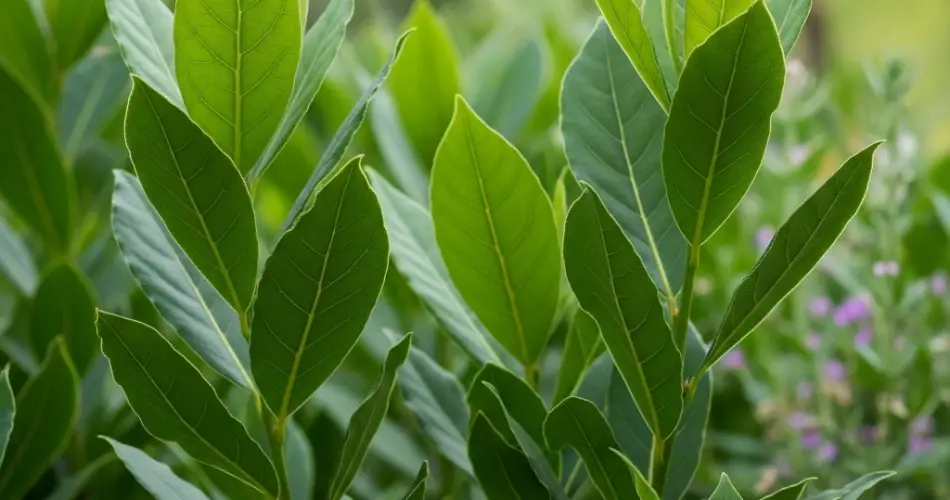
Bay leaf plants (Laurus nobilis), also known as bay laurels, are cherished for their aromatic leaves used in cooking. These evergreen shrubs or small trees are generally hardy and low-maintenance, but they are not entirely immune to pest problems. When grown in containers or gardens, certain insects and pests can affect their health and appearance. Understanding the common pests and how to treat them naturally or with minimal chemicals is key to keeping your bay leaf plant healthy and productive.
1. Scale Insects
Symptoms: Scale insects often appear as small, brown, or white lumps along the stems and undersides of leaves. They can be mistaken for part of the plant but are actually sap-sucking pests. Leaves may turn yellow or drop prematurely, and the plant’s growth may become stunted.
Treatment:
-
Manual Removal: Use a cotton swab dipped in rubbing alcohol to remove scale insects manually. Wipe them off the stems and leaves.
-
Pruning: If the infestation is localized, prune affected branches and discard them.
-
Neem Oil Spray: Mix neem oil with water and a few drops of mild dish soap. Spray the plant thoroughly, especially under the leaves. Repeat weekly until the infestation subsides.
-
Natural Predators: Encourage ladybugs or parasitic wasps in your garden as they feed on scale insects.
2. Aphids
Symptoms: Aphids are tiny green, black, or white insects that cluster on new growth. They suck sap from the plant, causing curling leaves and distorted stems. They also excrete honeydew, a sticky substance that can lead to sooty mold on the leaves.
Treatment:
-
Water Spray: Use a strong stream of water to knock aphids off the plant. Repeat every few days.
-
Insecticidal Soap: Use a ready-to-use insecticidal soap or make your own by mixing mild liquid soap with water. Spray the affected areas thoroughly.
-
Neem Oil or Garlic Spray: Both options are effective and safe for herbs. Spray every 7–10 days until the aphids are gone.
-
Attract Beneficial Insects: Plant flowers like dill, yarrow, or calendula nearby to attract natural predators like ladybugs and lacewings.
3. Leaf Miners
Symptoms: Leaf miners are larvae that tunnel between the layers of the leaves, leaving white, squiggly trails. This can weaken the plant and reduce its aesthetic and culinary value.
Treatment:
-
Remove Affected Leaves: The best way to control leaf miners is to remove and destroy affected leaves.
-
Sticky Traps: Yellow sticky traps can catch adult flies that lay eggs on the leaves.
-
Neem Oil: Apply neem oil as a preventative and mild curative treatment. It interferes with the pest’s life cycle.
-
Floating Row Covers: If growing outdoors, cover young plants to prevent adult insects from laying eggs on them.
4. Spider Mites
Symptoms: Spider mites are tiny, often red or brown, and difficult to see without magnification. They thrive in dry, dusty environments and cause stippling or yellowing of leaves. Fine webbing may be visible, especially under leaves or between branches.
Treatment:
-
Increase Humidity: Spider mites dislike moisture. Mist the plant regularly if grown indoors or during dry spells.
-
Spray with Water: A strong blast of water can dislodge mites. Do this every few days to reduce their population.
-
Neem Oil or Insecticidal Soap: Apply to both the tops and undersides of the leaves.
-
Prune Heavily Infested Areas: Discard any parts that are severely infested.
5. Whiteflies
Symptoms: Whiteflies are small, moth-like insects that fly up when the plant is disturbed. They suck sap from the leaves, leading to yellowing, wilting, and stunted growth. Like aphids, they produce honeydew, which can attract mold.
Treatment:
-
Sticky Traps: Use yellow sticky traps to catch adult whiteflies.
-
Insecticidal Soap or Neem Spray: Apply every few days until the population is under control.
-
Vacuuming: In the early morning or late evening, use a handheld vacuum to suck up whiteflies from the undersides of leaves.
Prevention Tips
To minimize pest problems on bay leaf plants:
-
Inspect Regularly: Check the plant often, especially under leaves and around new growth.
-
Avoid Overcrowding: Ensure good air circulation by spacing plants properly and avoiding excessive bushiness.
-
Keep Leaves Clean: Occasionally wipe or hose down leaves to remove dust and deter mites and aphids.
-
Use Clean Tools: Always sanitize pruning shears and other gardening tools to prevent the spread of pests and diseases.
-
Avoid Overwatering: Pests are more likely to attack stressed plants, and soggy soil can lead to fungal problems as well.
Bay leaf plants are relatively pest-resistant, but infestations can still occur. With regular monitoring and natural treatment methods, most pest issues can be managed effectively without harsh chemicals. Whether your bay tree is in a container or planted in the garden, proper care and timely intervention will ensure it remains healthy, lush, and productive.


