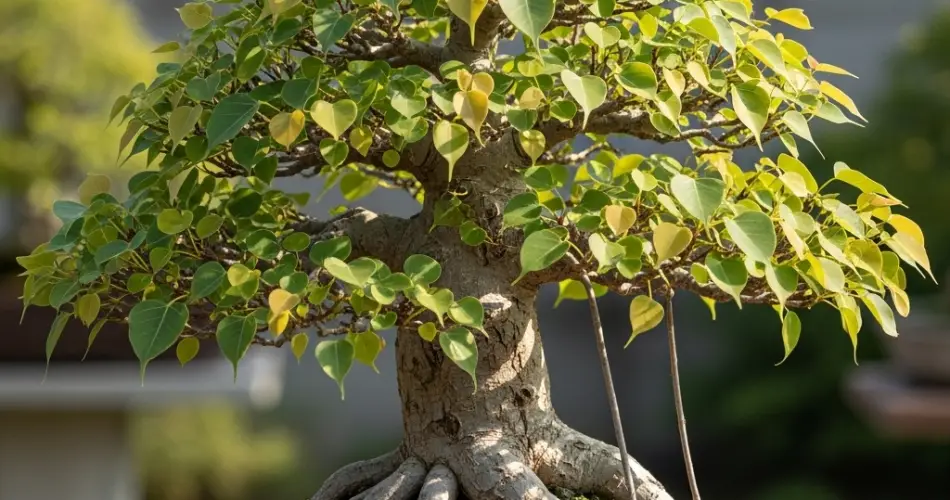
Among the many plants that carry deep cultural and spiritual meaning, the Peepal tree holds a special place. Known scientifically as Ficus religiosa, the Peepal tree is revered in many traditions, particularly in South Asia, where it is seen as sacred and life-giving. While the full-grown tree can reach massive heights and live for centuries, growing it as a bonsai allows people to bring this symbol of wisdom, spirituality, and positive energy into their homes.
The Peepal bonsai combines the beauty of miniature gardening with the spiritual power of a sacred tree, making it not only a stunning decorative plant but also a source of balance, harmony, and inspiration.
The Symbolism of the Peepal Tree
The Peepal tree is often called the Tree of Enlightenment because it is under such a tree that Siddhartha Gautama, later known as the Buddha, is believed to have attained enlightenment. For this reason, the tree is associated with spiritual growth, wisdom, and meditation.
In Hinduism, the Peepal is also considered divine. It is believed to embody the trinity of gods—Brahma (the creator), Vishnu (the preserver), and Shiva (the destroyer). Many people pray under the tree or light lamps near it to invite blessings. By keeping a Peepal bonsai indoors, you are symbolically inviting this spiritual energy into your living space.
Why a Peepal Bonsai Brings Positive Vibes
Even in its miniature form, the Peepal bonsai carries the same aura of peace and positivity as the full-grown tree. Its lush green leaves and graceful shape radiate calmness, making it an ideal plant for meditation spaces, living rooms, or offices. Many people believe that having a Peepal bonsai at home can:
-
Promote mental clarity by encouraging focus and reducing stress.
-
Attract positive energy while keeping away negative vibrations.
-
Encourage growth and renewal, as the tree naturally sheds old leaves and grows new ones, symbolizing life’s cycles.
-
Create balance by adding an element of nature and grounding energy indoors.
Caring for a Peepal Bonsai
While the Peepal bonsai is hardy, it requires attentive care to keep it thriving. With the right conditions, it can live for many years, continuing to bring beauty and meaning to your space.
Light Needs
The Peepal bonsai loves bright, indirect sunlight. Place it near a sunny window where it receives filtered light for at least 4–6 hours a day. Too much harsh sunlight may scorch the delicate leaves, while too little light may weaken growth.
Watering Routine
Watering should be done carefully. The soil should be kept slightly moist but not waterlogged. Allow the top layer of soil to dry before watering again. During hot weather, you may need to water more frequently, while in cooler months, watering can be reduced.
Soil and Fertilizer
A Peepal bonsai thrives in well-draining soil with a mix of sand, garden soil, and organic compost. Fertilize every 3–4 weeks during the growing season with a balanced liquid fertilizer to support healthy foliage and root development.
Pruning and Shaping
As a bonsai, shaping is an important part of care. Regular pruning helps maintain its miniature size and encourages dense foliage. Trim excess branches and old leaves, but avoid over-pruning, as this may stress the plant. Many bonsai enthusiasts also use wiring techniques to give the tree a graceful shape that enhances its beauty.
Temperature and Environment
The Peepal bonsai prefers a warm, humid climate, similar to its natural habitat. Keep it in temperatures between 20–30°C (68–86°F). Protect it from cold drafts, as it is sensitive to extreme drops in temperature. Mist the leaves occasionally to maintain humidity, especially in dry indoor environments.
Spiritual and Decorative Uses
The Peepal bonsai is not only a decorative plant but also a spiritual companion. Many people place it in meditation corners, yoga rooms, or home altars to enhance focus and bring a calming atmosphere. Its presence is believed to support mindfulness practices and encourage inner peace.
Beyond spirituality, it also adds aesthetic value. Its heart-shaped leaves and elegant structure make it a striking centerpiece in living rooms, offices, or balconies. Unlike many ornamental plants, it comes with a story of tradition and meaning, making it more than just greenery—it becomes a living symbol of positivity.
The Peepal Bonsai as a Gift
Because of its symbolism, the Peepal bonsai makes a thoughtful and meaningful gift. It represents blessings, harmony, and spiritual growth, making it perfect for occasions like housewarmings, weddings, or even as a gesture of encouragement during new beginnings. Gifting a Peepal bonsai is like sharing a piece of peace and prosperity with loved ones.
Conclusion
The Peepal bonsai is more than a plant—it is a symbol of wisdom, serenity, and positive energy. By caring for one, you are not just nurturing a bonsai but also welcoming spiritual balance and renewal into your home. Its presence reminds us of life’s cycles, the importance of mindfulness, and the beauty of growth in all forms.
Whether placed in a living room, office, or meditation space, a Peepal bonsai uplifts the atmosphere and enriches the soul. For anyone seeking to combine the art of bonsai with the depth of spiritual tradition, this plant is a perfect choice.


