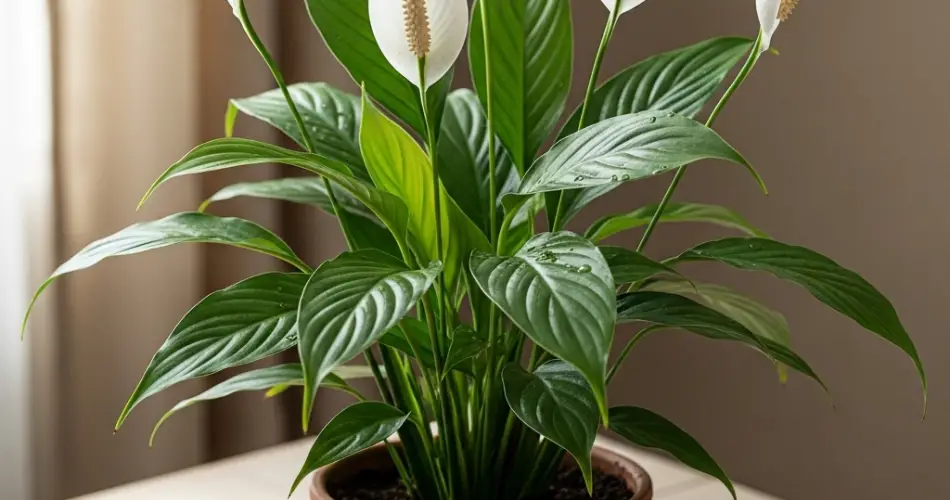
Peace lilies (Spathiphyllum) are among the most popular houseplants worldwide, admired for their glossy green leaves and elegant white blooms. They are often considered low-maintenance, making them perfect for beginners and experienced plant lovers alike. However, while peace lilies are generally forgiving, they can develop problems when their care needs are misunderstood. Recognizing common mistakes early can prevent damage and help your plant thrive. This guide highlights the most frequent errors in peace lily care and offers solutions to keep your plant healthy.
Mistake 1: Overwatering
One of the most common issues peace lily owners face is overwatering. These plants dislike sitting in soggy soil, and too much water often leads to root rot.
-
Signs of overwatering: Yellowing leaves, wilting despite wet soil, and a musty odor from the potting mix.
-
Solution: Allow the top inch of soil to dry out before watering again. Make sure the pot has proper drainage holes, and never let the plant sit in a saucer filled with water.
Peace lilies prefer evenly moist soil, but it’s safer to underwater slightly than to keep them constantly wet.
Mistake 2: Underwatering
Although overwatering is more common, underwatering also stresses peace lilies. These plants communicate their thirst by dramatically drooping their leaves.
-
Signs of underwatering: Limp leaves that perk up quickly after watering, brown leaf tips, and dry soil pulling away from the sides of the pot.
-
Solution: Establish a regular watering schedule and check the soil frequently. If the soil becomes too dry, soak the pot in a basin of water for 15–20 minutes to rehydrate it thoroughly.
Consistency is key. Peace lilies do not appreciate extremes in moisture levels.
Mistake 3: Insufficient Light
Peace lilies tolerate low light better than many plants, which is why they are often placed in dim corners. However, inadequate light can reduce blooming and cause slow growth.
-
Signs of poor light: Lack of flowers, pale leaves, and leggy stems stretching toward a light source.
-
Solution: Place your peace lily in bright, indirect light. A few feet away from an east- or north-facing window is ideal. Avoid harsh midday sun, which can scorch the leaves.
Balanced lighting encourages lush foliage and the development of the iconic white spathes.
Mistake 4: Exposure to Direct Sunlight
Too much light can be just as harmful as too little. Direct sunlight burns delicate peace lily leaves, leaving behind brown patches.
-
Signs of sun damage: Crispy, bleached, or scorched spots on the leaves.
-
Solution: Move the plant to a shaded location with filtered light. If you only have a sunny window, use sheer curtains to soften the rays.
Remember, peace lilies are naturally understory plants, thriving in dappled light beneath tropical forest canopies.
Mistake 5: Using the Wrong Water
Tap water often contains chemicals like chlorine or fluoride, which peace lilies are sensitive to. Over time, these substances can damage the plant.
-
Signs of water issues: Brown leaf tips or edges, even when watering frequency is correct.
-
Solution: Use filtered water, rainwater, or allow tap water to sit out for 24 hours before using it. This gives chlorine time to evaporate and reduces stress on the plant.
Water quality matters just as much as watering habits.
Mistake 6: Neglecting Humidity Needs
Peace lilies are native to tropical regions, where humidity levels are naturally high. In dry indoor environments, especially during winter, their leaves may suffer.
-
Signs of low humidity: Brown tips, curling leaves, and slowed growth.
-
Solution: Increase humidity by misting the leaves regularly, grouping plants together, or placing the pot on a humidity tray filled with pebbles and water. A room humidifier is an excellent long-term solution.
Maintaining humidity mimics the plant’s natural habitat and helps keep foliage vibrant.
Mistake 7: Over-Fertilizing
While feeding encourages growth and blooming, too much fertilizer can harm peace lilies.
-
Signs of over-fertilization: Yellowing leaves, crusty white buildup on the soil surface, and weak growth.
-
Solution: Fertilize sparingly during the growing season (spring and summer) with a balanced, diluted houseplant fertilizer once a month. Avoid feeding in winter when the plant’s growth slows.
Moderation ensures strong growth without overwhelming the roots.
Mistake 8: Ignoring Repotting Needs
Peace lilies grow steadily and may become root-bound over time. Crowded roots limit water and nutrient absorption.
-
Signs repotting is needed: Roots growing out of drainage holes, soil drying out quickly, and reduced growth despite good care.
-
Solution: Repot every 1–2 years into a slightly larger container with fresh potting mix. This refreshes the soil and gives roots room to expand.
Repotting keeps your peace lily vigorous and prevents stagnation.
Final Thoughts
Peace lilies are resilient plants, but like all living things, they have specific care requirements. Overwatering, improper lighting, poor water quality, and neglecting humidity are just a few of the common mistakes that can affect their health. By learning to recognize the signs of stress and making small adjustments, you can enjoy a thriving plant that adds beauty and tranquility to your home.
With the right balance of water, light, and care, peace lilies will reward you with lush green leaves and their iconic white blooms, turning your living space into a calming oasis.


