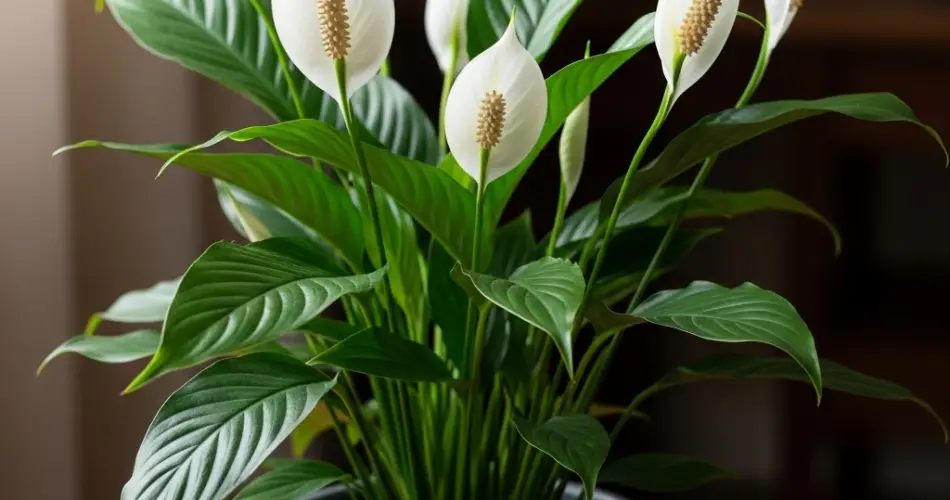
Peace lilies are among the most beloved indoor plants, admired for their graceful dark-green leaves and elegant white blooms. Beyond their beauty, they are also known for their ability to purify indoor air, making them a popular choice for both homes and offices. However, like many houseplants, peace lilies thrive best when given the right amount of light. Understanding their natural preferences and learning how to position them indoors can make all the difference in their health, growth, and flowering.
This guide will walk you through everything you need to know about peace lily light requirements and how to find the perfect spot for your plant.
Understanding the Peace Lily’s Natural Habitat
To provide the right light conditions for your peace lily, it helps to understand where these plants come from. Native to the tropical rainforests of Central and South America, peace lilies naturally grow beneath the forest canopy. They receive filtered, indirect sunlight through layers of taller plants and trees. This explains why they are so well-suited to indoor environments, where direct sunlight may not always be available.
Because of their origins, peace lilies do not need harsh, direct sun. Instead, they prefer gentle, diffused light that mimics the forest shade.
Indirect Light: The Key to Healthy Growth
The best light for peace lilies is bright, indirect sunlight. Place them near a window where light is abundant but softened, such as a north-facing or east-facing window. If you place them in a west- or south-facing room, make sure to use a sheer curtain to filter the light and protect the leaves from scorching.
Too much direct sunlight can damage peace lilies, leading to yellowing or browning of the leaves. Their delicate foliage is sensitive to harsh rays, which can quickly cause sunburn. On the other hand, keeping them in overly dark conditions may result in fewer blooms, slower growth, and drooping leaves.
A good rule of thumb is to aim for a location where the plant receives about 6–8 hours of bright but indirect light daily.
Can Peace Lilies Tolerate Low Light?
One reason peace lilies are so popular as indoor plants is their adaptability. They can survive in low-light conditions better than many houseplants. This makes them ideal for offices, bedrooms, or spaces with limited natural sunlight. However, while they will tolerate low light, they may not thrive to their fullest potential.
In low-light settings, peace lilies tend to produce fewer flowers and may grow more slowly. If you’re keeping your plant in such an area, consider supplementing with artificial grow lights to encourage healthier growth and more consistent blooming.
Signs Your Peace Lily Isn’t Getting the Right Light
Your peace lily will let you know if it’s unhappy with its lighting conditions. Here are some common signs to watch for:
-
Scorched or brown leaf tips: Too much direct sunlight.
-
Yellowing leaves: Either excessive sun exposure or poor overall care.
-
Lack of blooms: Insufficient light is the most common reason peace lilies stop flowering.
-
Leggy or weak growth: Indicates the plant is stretching toward light and needs a brighter spot.
By observing these signals, you can adjust your peace lily’s placement to restore balance.
Using Artificial Lighting for Peace Lilies
If your home has limited natural light, artificial lighting can help. Fluorescent lights and LED grow lights provide the spectrum needed for healthy plant growth. Position your peace lily about 12–18 inches below the light source and keep the lights on for 10–12 hours a day.
Artificial lighting can be especially helpful during winter months when daylight hours are shorter. With consistent care, your peace lily can continue to thrive even in spaces with minimal natural sunlight.
Choosing the Perfect Spot Indoors
Here are some recommended placements for your peace lily:
-
Living room: Near an east-facing window with filtered light.
-
Bedroom: On a nightstand or dresser close to a window, where morning light is soft.
-
Office: On a desk with fluorescent lighting or in a corner that receives indirect sunlight.
-
Bathroom: If it has a window, the humidity and soft light make it an ideal location.
Always avoid placing your peace lily in full sun on a windowsill, as this is likely to burn the leaves.
Balancing Light With Other Care Needs
Light is just one part of peace lily care. These plants also thrive with moderate watering, high humidity, and occasional fertilizing. Since they enjoy tropical conditions, misting their leaves or placing them near a humidifier can improve their overall health. Regularly wiping the leaves also helps them absorb light more effectively, keeping your plant vibrant.
Final Thoughts
Finding the perfect light spot for your peace lily is essential for its long-term health and beauty. Bright, indirect light is ideal, but the plant’s adaptability means it can still do well in low-light conditions with some adjustments. By paying attention to your peace lily’s signals and choosing its placement wisely, you’ll enjoy lush green leaves, elegant white blooms, and the calming presence this beloved plant brings to any indoor space.


