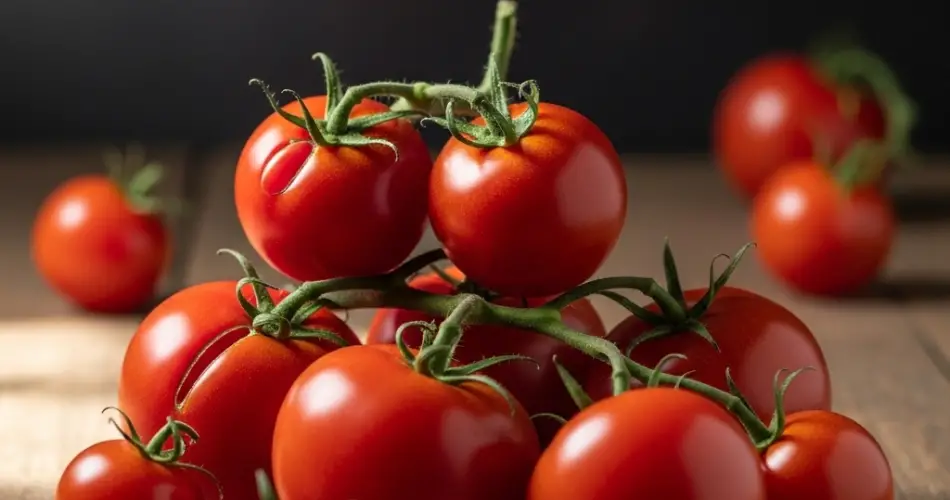
Tomatoes are one of the most popular vegetables (technically fruits) for home gardeners, and for good reason—they’re productive, versatile in the kitchen, and taste far better when homegrown. Even if you don’t have a backyard, you can still enjoy a healthy tomato harvest by growing them in containers on a patio, balcony, or small urban garden.
This guide covers everything you need to know about growing and supporting patio tomato plants successfully—from choosing the right variety to providing the ideal care and structural support.
Choosing the Right Tomato Variety
Not all tomato plants are suited for containers. Patio gardeners should opt for compact or dwarf varieties that grow well in confined spaces while still producing tasty fruit.
Some of the best container-friendly varieties include:
-
‘Patio Princess’ – A compact cherry tomato variety ideal for small spaces.
-
‘Tiny Tim’ – Dwarf plant producing bite-sized tomatoes.
-
‘Bush Early Girl’ – Produces medium-sized fruit on a short plant.
-
‘Balcony’ or ‘Balconi Red’ – Specifically bred for growing in pots.
-
‘Roma’ (bush variety) – Great for sauces, compact enough for containers.
Look for determinate (bush) types, which stop growing after reaching a certain height, making them easier to manage in pots.
Selecting the Right Container
Tomatoes need space for their roots to thrive, so even patio-friendly varieties require a reasonably large pot. Choose a container that is:
-
At least 12 to 18 inches deep
-
12 to 16 inches in diameter
-
Equipped with adequate drainage holes
You can use plastic pots, terracotta, ceramic planters, or fabric grow bags. Fabric pots are particularly good for air pruning roots and preventing waterlogging.
Soil and Planting Tips
Use high-quality, well-draining potting mix enriched with compost or slow-release fertilizer. Avoid garden soil, which can compact and retain too much water in pots.
To plant:
-
Fill the container two-thirds full with potting mix.
-
Remove the tomato seedling from its nursery pot and plant it deeper than it was originally growing. Tomatoes can form roots along the buried stem, which helps build a stronger root system.
-
Backfill the container and water thoroughly.
Sunlight and Location
Tomatoes are sun-loving plants that need at least 6–8 hours of direct sunlight daily to thrive and produce fruit. Place your containers in the sunniest spot available—whether it’s a balcony, a rooftop, or a sunny patio corner.
If you’re limited on sunlight, try positioning pots to catch the most light throughout the day or consider using reflective materials (like white walls or light-colored surfaces) to bounce more light onto your plants.
Watering and Feeding
Container-grown tomatoes need consistent watering, as pots dry out more quickly than garden beds.
-
Water deeply when the top inch of soil feels dry.
-
Ensure excess water drains out—never let pots sit in standing water.
-
Avoid overhead watering, which can promote fungal disease on the leaves.
Tomatoes are heavy feeders. Start with a nutrient-rich potting mix, then supplement with:
-
A balanced liquid fertilizer every 2–3 weeks until flowering.
-
A tomato-specific fertilizer (low nitrogen, high phosphorus and potassium) during flowering and fruiting stages.
You can also add a layer of compost mid-season to give the plant a nutrient boost.
Supporting Patio Tomatoes
Even bush varieties of tomatoes benefit from support, especially when they begin to bear fruit. Proper support prevents the plant from toppling over and keeps the fruit clean and off the soil.
Effective support options include:
-
Tomato cages – Wire cages are simple and provide 360-degree support.
-
Stakes – Bamboo or wooden stakes are great for compact varieties. Tie stems loosely with soft garden ties or cloth strips.
-
Trellis or obelisk frames – Stylish and functional, these give upward growth support in decorative containers.
Install the support early in the plant’s life to avoid damaging the roots later.
Pruning and Maintenance
For determinate (bush) varieties, pruning is minimal. You can remove any yellow or dead leaves at the base and gently tidy up any suckers that appear between branches if the plant becomes too crowded.
For indeterminate varieties (if you happen to grow one), pinch off the suckers regularly to focus the plant’s energy on fruit production.
Mulch the top of the soil with straw or shredded leaves to retain moisture, reduce temperature swings, and prevent soil splash on leaves.
Harvesting Patio Tomatoes
Tomatoes are ready to harvest when they are fully colored (red, yellow, orange, or even purple, depending on the variety) and slightly soft to the touch. For best flavor, allow tomatoes to ripen on the vine.
-
Gently twist or cut fruit from the stem.
-
Check your plant daily during peak season, as ripening can happen quickly.
Frequent harvesting encourages more fruit to set and helps maintain plant health.
Common Issues and Solutions
-
Blossom-end rot – Usually due to inconsistent watering or calcium deficiency.
-
Leaf curl – Often caused by heat stress or overwatering.
-
Pests – Aphids and whiteflies can be managed with insecticidal soap or neem oil.
Stay on top of maintenance, check under leaves regularly, and remove any damaged or diseased foliage promptly.
Final Tips
Growing tomatoes on a patio is not only possible—it’s practical and highly rewarding. With the right variety, container, and care, even beginner gardeners can enjoy a fresh, flavorful harvest just steps from the kitchen. Give your plants sunlight, water, nutrients, and a little structural support, and they’ll repay you with juicy tomatoes all season long.


