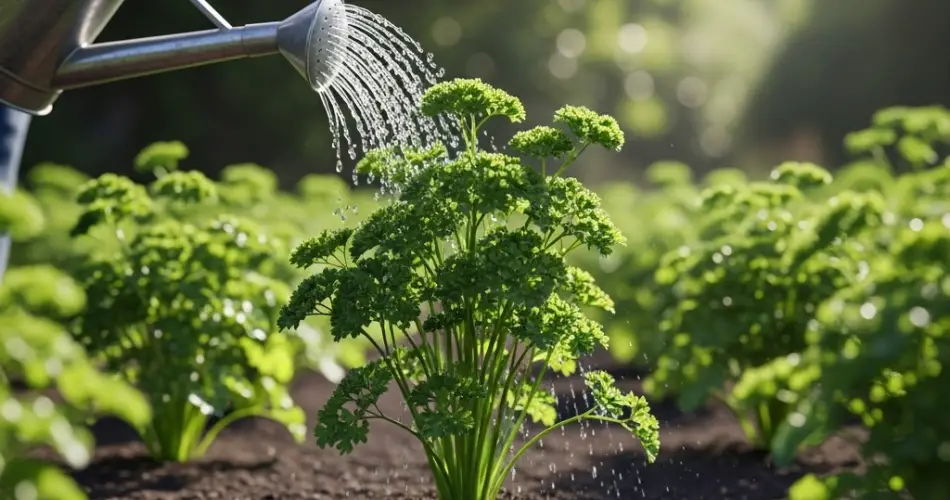
Parsley is a hardy, easy-to-grow herb that thrives in many climates, but like most plants, it has specific needs—especially when it comes to watering. Too much water can be just as harmful as too little, leading to root rot, yellowing leaves, and stunted growth. So how often should you water parsley to keep it healthy and productive?
In this article, we’ll explore how often parsley should be watered, how to spot signs of overwatering or underwatering, and how to adjust your routine based on your climate and growing conditions.
Understanding Parsley’s Water Needs
Parsley prefers evenly moist soil, meaning the soil should never be soggy or completely dried out. The ideal soil is one that holds moisture well but drains excess water efficiently. Sandy loam or a well-balanced potting mix with good drainage is perfect for parsley.
Unlike drought-tolerant herbs like rosemary or thyme, parsley has more moderate water requirements. Its roots grow relatively deep, so it’s important that moisture penetrates into the root zone rather than just staying on the surface.
General Watering Frequency
As a general rule, parsley should be watered about 2 to 3 times per week in mild to warm weather. However, this can vary based on your local climate, soil type, and whether you’re growing parsley in a garden bed or a container.
Here are some general guidelines:
-
Outdoor beds (cool to moderate climates): Water deeply once every 2–3 days.
-
Outdoor beds (hot climates): Daily or every other day, especially during heatwaves.
-
Containers: These dry out faster, so check daily and water when the top inch of soil feels dry.
A deep watering ensures that the roots grow downward, which makes the plant stronger and more drought-resistant over time.
The Finger Test: A Simple Moisture Check
Before reaching for the watering can, check the soil first. Stick your finger about an inch into the soil near the base of the plant.
-
If it feels dry: It’s time to water.
-
If it feels moist: Wait another day or two.
This method helps prevent overwatering, which is one of the most common mistakes gardeners make with parsley.
Signs of Overwatering Parsley
Overwatering deprives the roots of oxygen and can lead to fungal infections and root rot. Look out for these signs:
-
Yellowing leaves (especially lower leaves)
-
Wilting despite wet soil
-
Mushy or rotting stems near the base
-
Mold or algae on the surface of the soil
-
Foul odor from the soil
If you notice any of these symptoms, stop watering immediately and allow the soil to dry out. You may also need to improve drainage by loosening compacted soil or repotting container plants in a mix with more perlite or sand.
Signs of Underwatering
While overwatering is a common problem, underwatering parsley can also cause issues. The signs include:
-
Wilting leaves and droopy stems
-
Dry, cracked soil
-
Brown or crispy leaf edges
-
Slow growth or bolting (going to seed prematurely)
If your parsley plant is dry, give it a deep soak and monitor the soil more closely over the next week.
Tips for Successful Parsley Watering
-
Mulch to retain moisture: A layer of organic mulch like straw, shredded leaves, or compost helps keep soil moisture consistent and reduces evaporation.
-
Water at the base: Avoid overhead watering, which can lead to fungal diseases. Water directly at the base of the plant instead.
-
Use self-watering pots or trays: These can help maintain even moisture levels in containers, especially during hot or windy weather.
-
Avoid watering in the evening: Morning watering allows the soil to dry slightly before nightfall, reducing the risk of fungal issues.
Adjusting Watering by Season
Parsley behaves differently depending on the time of year:
-
Spring and Fall: Watering every 2–3 days may be sufficient, depending on rainfall.
-
Summer: Increase frequency during high temperatures and dry spells.
-
Winter: Parsley growth slows down, so reduce watering significantly. Let the soil nearly dry out between waterings if the plant is indoors.
Final Thoughts
Watering parsley correctly is all about balance. Too much water can suffocate the roots, while too little will stunt its growth. By checking the soil regularly, watching for signs of stress, and adjusting your watering schedule with the seasons, you’ll keep your parsley lush, green, and productive. Whether you’re growing it in containers or garden beds, consistent moisture is key to growing a healthy and flavorful crop.


