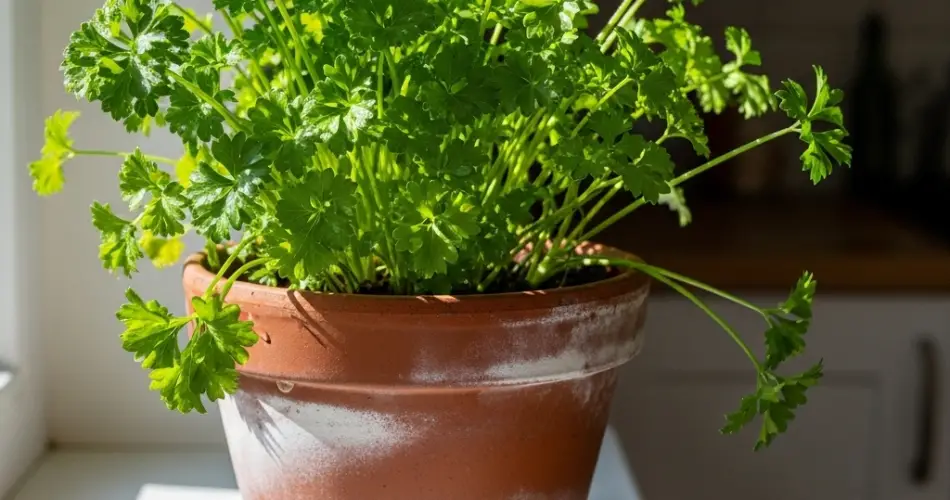
Parsley is a popular and versatile herb valued for its fresh flavor, bright green color, and nutritional benefits. From enhancing soups and salads to garnishing main dishes, parsley is an essential herb in the kitchen. Growing parsley in pots is an excellent solution for gardeners with limited space, allowing for year-round access to fresh herbs. Understanding the ideal soil, watering, and sunlight requirements is key to producing healthy, productive parsley plants.
Container gardening offers numerous advantages for parsley cultivation. It allows for precise soil control, better drainage, and easy relocation to optimize sunlight exposure. Pots also make it easier to monitor plant health, prevent pests, and harvest fresh leaves conveniently. Whether you are gardening on a balcony, patio, or windowsill, growing parsley in containers is both practical and rewarding.
Choosing the Right Pot
Selecting an appropriate container is crucial for parsley’s success.
Size and Depth
Parsley develops a deep taproot, so containers should be at least 8–10 inches deep. Deeper pots accommodate root growth, supporting healthier and more productive plants. Wider pots allow for multiple plants to be grown together, providing fuller foliage and maximizing your harvest.
Material
Plastic, ceramic, and terracotta pots all work well for parsley. Terracotta pots offer breathability and natural moisture regulation, while plastic pots are lightweight and easy to move. The choice of material can depend on personal preference and indoor/outdoor placement.
Drainage
Good drainage is essential to prevent waterlogging and root rot. Ensure pots have sufficient drainage holes at the bottom. You can also add a layer of gravel or small stones at the base to improve drainage and keep roots healthy.
Ideal Soil for Parsley
Parsley thrives in nutrient-rich, well-draining soil. High-quality potting mixes blended with organic compost or aged manure provide an optimal growing environment.
Soil Preparation Tips
-
Use a potting mix specifically formulated for herbs or vegetables.
-
Incorporate compost or organic matter to enhance fertility and retain moisture.
-
Avoid heavy garden soils that may compact in pots and restrict root growth.
Well-prepared soil encourages strong root systems and promotes consistent leaf production, ensuring your parsley remains flavorful and vibrant.
Watering Parsley in Containers
Parsley prefers consistently moist soil but is sensitive to overwatering. Proper watering is essential for healthy growth.
Watering Tips
-
Water when the top inch of soil feels dry to the touch.
-
Avoid letting the soil dry out completely, as this can stress the plant and reduce leaf quality.
-
Water deeply and evenly, ensuring the entire root system receives moisture.
-
Containers can dry out faster than garden beds, so check soil moisture regularly, especially during hot weather.
Mulching the soil surface with a thin layer of organic material can help retain moisture and keep roots cool.
Sunlight Requirements
Parsley grows best in full sun but can tolerate partial shade, especially in warmer climates. Adequate sunlight ensures robust growth, vibrant color, and a strong, aromatic flavor.
Sunlight Tips
-
Provide at least 4–6 hours of direct sunlight daily.
-
If growing indoors, place pots near a south- or west-facing window for maximum light.
-
In low-light conditions, supplemental grow lights can support healthy growth.
Proper sunlight helps parsley maintain a compact, bushy form and prevents leggy growth that can occur in shaded conditions.
Fertilization and Maintenance
Feeding parsley supports continuous growth and abundant foliage.
Fertilization Tips
-
Apply a balanced, water-soluble fertilizer every 4–6 weeks, or use slow-release organic fertilizers.
-
Avoid over-fertilization, which can lead to excessive leaf growth but reduce flavor intensity.
Maintenance Practices
-
Regularly pinch or trim outer leaves to encourage bushier growth.
-
Remove yellow or damaged leaves to maintain plant health.
-
Monitor for pests such as aphids and caterpillars, and take prompt action if needed.
Routine care ensures that container-grown parsley remains healthy, productive, and flavorful.
Harvesting Parsley
Parsley can be harvested once plants reach 6–8 inches in height:
-
Cut the outer leaves first, leaving inner growth intact for continued production.
-
Harvest frequently to encourage new growth and prevent flowering, which can reduce flavor.
-
Freshly harvested parsley can be used immediately, stored in the refrigerator, or dried for later use.
Both flat-leaf and curly-leaf parsley varieties respond well to container cultivation and provide a continuous supply of aromatic leaves when cared for properly.
Final Thoughts
Growing parsley in pots is a practical and rewarding approach for gardeners of all levels. By providing the right soil, consistent watering, and sufficient sunlight, parsley plants can thrive in limited spaces, producing fresh, flavorful leaves year-round.
Container gardening allows urban dwellers and small-space gardeners to cultivate a productive herb garden without the need for traditional garden beds. With proper care, your parsley plants will remain vibrant, aromatic, and ready to enhance your culinary creations whenever needed.


