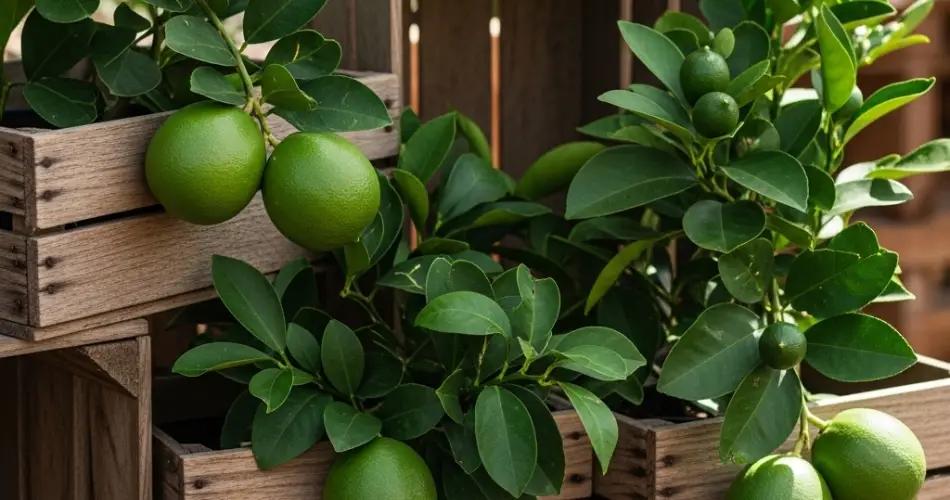
Fresh, tangy limes are a delightful addition to any home garden, and the good news is that you don’t need a large backyard or orchard to enjoy them. With crate gardening, you can successfully grow healthy, productive lime trees even in small spaces like patios, balconies, or urban courtyards. Pair this with organic growing methods, and you’ll have a sustainable, chemical-free harvest of juicy limes for cooking, drinks, and natural remedies.
This guide walks you through the essentials of growing lime trees organically in crates, from choosing the right materials to caring for your plants naturally.
Why Grow Limes in Crates Organically?
Crate gardening offers excellent control over soil, drainage, and placement. Unlike in-ground planting, crates allow you to move lime trees around to maximize sunlight or protect them from bad weather. When combined with organic methods, crate-grown lime trees thrive without the need for synthetic fertilizers or pesticides.
Benefits include:
-
Chemical-free fruit: Safe for your family and eco-friendly.
-
Healthier soil: Organics build long-term fertility and soil life.
-
Sustainability: Compost, mulch, and natural fertilizers reduce waste.
-
Convenience: Crates fit in limited spaces, making citrus accessible to all gardeners.
Choosing the Right Crates and Soil
The foundation of successful crate gardening starts with the container and soil.
-
Crate size: A sturdy wooden or plastic crate at least 18–24 inches deep and wide is recommended to accommodate lime tree roots.
-
Drainage: Drill sufficient holes at the bottom to prevent waterlogging. Place a layer of gravel, stones, or broken pottery to aid drainage.
-
Soil mix: Limes need well-draining, nutrient-rich soil. A good organic mix might include 40% garden soil, 30% compost, and 30% coarse sand or perlite. Adding worm castings enriches the mix with beneficial microbes.
Selecting Lime Varieties
Some lime varieties adapt better to container growing than others. Popular options include:
-
Key lime: Compact growth, fragrant flowers, and small, tangy fruits.
-
Persian lime (Tahiti): Larger fruit, seedless, and commonly used in cooking.
-
Dwarf varieties: Ideal for crates and easier to manage in small spaces.
Choose certified organic seedlings when possible to maintain an all-natural approach.
Planting Limes in Crates
-
Position the crate in a location that receives 6–8 hours of direct sunlight daily.
-
Fill the crate two-thirds full with the prepared soil mix.
-
Place the lime tree seedling in the center, spreading out roots gently.
-
Add more soil to cover roots, leaving space at the top for watering and mulching.
-
Water thoroughly to help the plant settle in.
Organic Watering Practices
Consistent watering is key, as crates dry out faster than garden soil.
-
Water deeply 1–2 times per week, depending on weather.
-
In hot months, check soil daily and water as needed.
-
Use rainwater if available—it’s free of chemicals and healthier for plants.
-
Mulch the surface with organic materials like straw or leaves to conserve moisture.
Avoid overwatering, as lime trees dislike soggy roots.
Organic Fertilization
Instead of chemical fertilizers, organic options provide balanced nutrition:
-
Compost tea: Boosts microbial life and provides nutrients.
-
Fish emulsion or seaweed extract: Promotes healthy foliage and flowering.
-
Banana peels and eggshells: Supply potassium and calcium.
-
Manure compost: Provides slow-release nutrients.
Feed lime trees every 4–6 weeks during the growing season, especially when flowering and fruiting.
Pest and Disease Management the Organic Way
Lime trees are prone to pests like aphids, spider mites, and scale insects. Organic gardeners rely on natural defenses:
-
Spray leaves with neem oil or insecticidal soap.
-
Encourage beneficial insects like ladybugs and lacewings.
-
Keep foliage clean by rinsing occasionally with water.
-
Remove diseased or infested leaves promptly.
Good airflow around the crate also reduces fungal problems.
Pruning and Training
Regular pruning keeps crate-grown lime trees healthy and manageable. Remove dead or overcrowded branches, and shape the tree to allow sunlight penetration. For small spaces, pruning also keeps the size compact without reducing fruiting potential.
Harvesting and Enjoying Limes
Most lime trees begin bearing fruit within 2–3 years, depending on the variety. Harvest when fruits are firm, glossy, and green to yellowish in color, depending on ripeness preference. Pick regularly to encourage more flowering and fruit set.
Final Thoughts
Growing limes organically in crates is a practical and rewarding gardening method. It combines the benefits of portability and space-saving with the satisfaction of producing chemical-free, homegrown citrus. With the right soil mix, careful watering, organic feeding, and natural pest management, your crate-grown lime tree can provide years of fresh, tangy limes for your kitchen and beyond.
Whether you’re an urban gardener or simply experimenting with container gardening, this approach makes it possible to enjoy citrus in even the smallest of spaces—naturally and sustainably.


