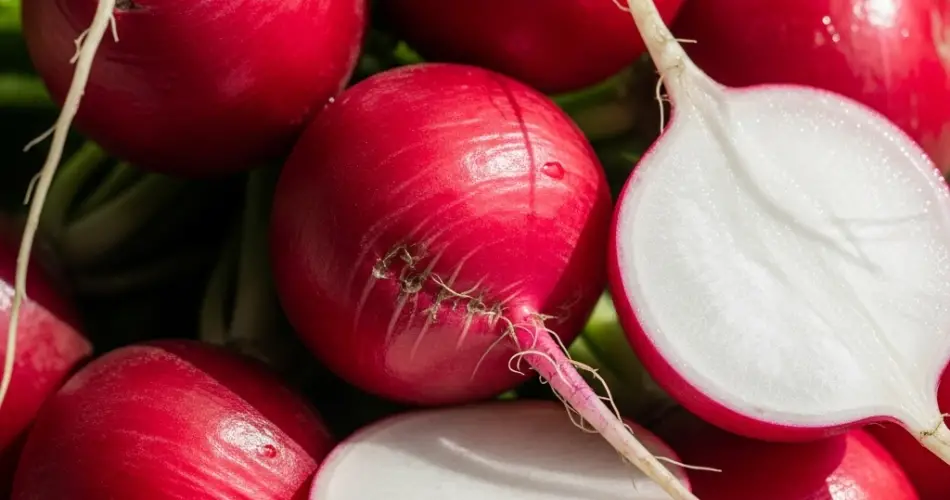
Radishes are one of the quickest vegetables to grow, maturing in as little as 25 to 30 days. With their spicy bite and crunchy texture, they make a great addition to salads, slaws, and even roasted vegetable dishes. But to get the best quality radishes—ones that are juicy, crisp, and full of flavor—it’s essential to nourish them properly with the right fertilizers. Organic options are ideal, especially since radishes are root vegetables, and whatever you add to the soil directly impacts the part you’ll be eating.
Here’s a detailed guide on how to use organic fertilizers to grow healthier, tastier radishes right in your garden or containers.
1. Understand Radish Nutrient Needs
Radishes thrive in fertile, well-drained soil that’s rich in organic matter. They prefer a slightly acidic to neutral pH (around 6.0 to 7.0) and don’t require heavy feeding like fruiting plants. However, they do need balanced nutrition to develop large, juicy roots and lush green tops.
Key nutrients:
-
Nitrogen (N): Promotes leafy growth—too much can lead to large tops and small roots.
-
Phosphorus (P): Supports root development—essential for forming plump radishes.
-
Potassium (K): Improves overall plant health and water balance—helps with crisp texture.
The ideal fertilizer for radishes will be low in nitrogen but high in phosphorus and potassium.
2. Start with Rich Compost
Compost is the foundation of any organic feeding plan. It improves soil texture, boosts microbial life, and adds slow-release nutrients to support healthy growth.
How to apply:
-
Mix 1–2 inches of finished compost into the top 6 inches of soil before sowing seeds.
-
In container gardens, combine compost with coconut coir or peat moss and perlite to create a well-draining, nutrient-rich potting mix.
Avoid using unfinished compost, as it may rob nitrogen from the soil as it breaks down.
3. Use Aged Manure with Caution
Manure adds organic matter and nutrients, but it must be aged or composted before use—especially for root vegetables like radishes.
Best choices:
-
Aged cow, horse, or goat manure.
-
Compost chicken manure in advance, as it’s high in nitrogen.
Mix manure into the soil a few weeks before planting to give it time to settle and avoid burning tender seedlings.
4. Add Bone Meal for Strong Roots
Bone meal is rich in phosphorus, making it perfect for root crops like radishes. It supports strong root development and helps form well-shaped bulbs.
Application tip:
-
Sprinkle 1 tablespoon per square foot of planting area and mix it into the topsoil.
-
Use bone meal at planting time for best results.
It’s a slow-release fertilizer, so one application per crop cycle is usually sufficient.
5. Try Wood Ash for a Potassium Boost
Wood ash from untreated hardwood is an excellent source of potassium and calcium, both of which help improve radish texture and cell strength.
How to use:
-
Apply sparingly—no more than 1/4 cup per square yard.
-
Mix into the top layer of soil before planting.
Avoid overusing, as wood ash can raise soil pH too much and affect nutrient availability.
6. Feed with Compost Tea or Worm Tea
Liquid fertilizers provide a quick nutrient boost and help maintain soil biology. Compost tea and worm castings tea are rich in trace elements and beneficial microbes.
How to apply:
-
Brew compost tea by steeping 1 part compost in 4 parts water for 24–48 hours.
-
Strain and water your radishes once every 10–14 days.
This encourages steady root growth without overwhelming the plant with excessive nutrients.
7. Avoid Over-Fertilizing with Nitrogen
One of the most common mistakes in radish growing is overfeeding with high-nitrogen fertilizers. While nitrogen promotes leafy growth, too much of it can result in lush tops and tiny, underdeveloped roots.
Avoid:
-
Fresh manure that hasn’t been composted.
-
High-nitrogen synthetic or organic fertilizers like blood meal or fish emulsion.
Focus instead on phosphorus and potassium-rich fertilizers for better root quality.
8. Mulch and Maintain Moisture
While not a fertilizer, mulching plays an important role in radish health. Organic mulches like straw, shredded leaves, or grass clippings help retain moisture, regulate soil temperature, and add nutrients as they decompose.
Benefits of mulch:
-
Keeps soil loose and moist—essential for tender, juicy roots.
-
Suppresses weeds that can compete for nutrients.
-
Prevents soil crusting, which can hinder root expansion.
Apply a thin mulch layer after seedlings are a few inches tall to avoid burying them too early.
9. Rotate Crops for Long-Term Soil Health
Practicing crop rotation keeps soil balanced and reduces the risk of pests and diseases. Avoid planting radishes (or other Brassicas like cabbage or kale) in the same spot repeatedly.
Rotation tips:
-
Follow radishes with nitrogen-fixing crops like beans or peas.
-
Avoid planting after other root vegetables to prevent nutrient depletion.
Healthy soil leads to better radishes in every growing season.
Conclusion
Radishes grow fast and are incredibly rewarding, but giving them the right organic fertilizers makes all the difference when it comes to flavor, size, and texture. By using compost, bone meal, aged manure, and liquid feeds like compost tea, you can ensure your radishes develop into crisp, juicy bulbs with a satisfying crunch. Avoid overfeeding with nitrogen, maintain even moisture, and rotate your crops for lasting garden success. With a bit of care and the right organic inputs, your radish harvest will be healthy, flavorful, and garden-fresh every time.


