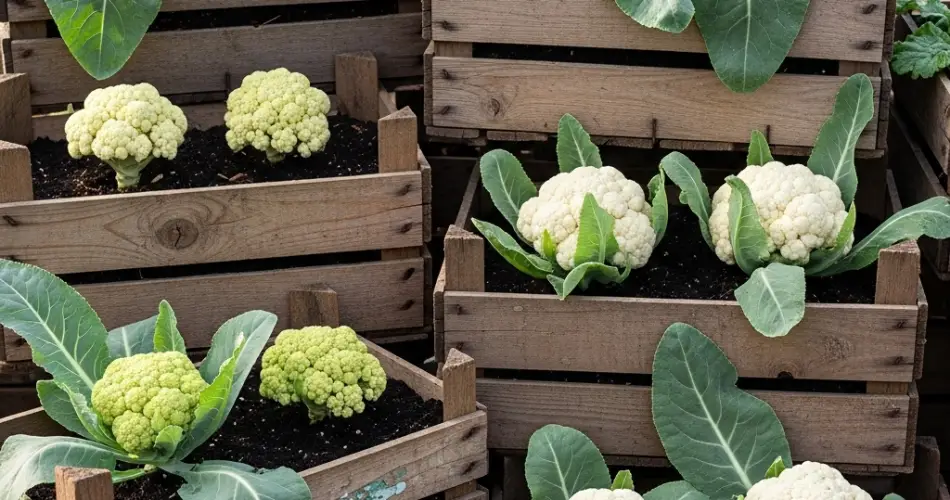
Cauliflower is a highly nutritious and versatile vegetable, prized for its tender, flavorful heads. Traditionally grown in garden beds, cauliflower can also flourish in wooden crates, making it an excellent option for small-space gardeners, balcony growers, and urban farmers. When grown organically, cauliflower not only provides fresh, chemical-free produce but also contributes to a sustainable and environmentally friendly garden. By following proper organic practices in crate gardening, you can enjoy a healthy harvest without relying on synthetic fertilizers or pesticides.
Why Wooden Crates Are Ideal for Cauliflower
Wooden crates offer several advantages for growing cauliflower organically. They provide sufficient depth for root development, good drainage to prevent waterlogging, and portability for optimal sunlight exposure. Crates also allow for controlled soil conditions, which is essential when growing without chemical inputs. By choosing the right crate size—typically at least 12–16 inches deep—you create a microenvironment in which cauliflower can thrive.
Preparing the Crate for Organic Growth
The foundation of organic cauliflower gardening is nutrient-rich soil. Start by preparing the crate properly:
-
Soil mix: Use a combination of garden loam, well-rotted compost, and coconut coir or peat moss for moisture retention. Adding perlite or coarse sand improves drainage.
-
Organic amendments: Incorporate materials like composted manure, worm castings, or leaf mold to boost soil fertility naturally.
-
pH adjustment: Cauliflower prefers slightly acidic to neutral soil, with a pH of 6.0–7.0. Crushed eggshells or garden lime can help maintain optimal pH.
A well-prepared crate ensures your plants have the nutrients and structure they need for vigorous growth.
Planting Organic Cauliflower
You can start cauliflower from seeds or seedlings. For seeds, sow them in a shallow tray and transplant seedlings once they reach 4–6 inches in height. When transplanting into the crate:
-
Space plants 12–18 inches apart to allow for full head development.
-
Plant seedlings at the same depth they were growing in their trays.
-
Water gently after planting to settle the soil and reduce transplant shock.
Choose organically certified seeds whenever possible to maintain a fully organic growing system.
Watering Practices
Consistent moisture is critical for cauliflower. Wooden crates dry out more quickly than garden beds, so regular monitoring is necessary. Water when the top 1–2 inches of soil feel dry. Avoid waterlogging, which can lead to root rot, and aim for deep, infrequent watering to encourage strong root development. Mulching with straw or shredded leaves helps retain soil moisture and suppress weeds organically.
Organic Fertilization
Since cauliflower is a heavy feeder, regular fertilization is essential, particularly in the limited soil volume of a crate. Organic fertilizers provide nutrients without harmful chemicals:
-
Compost: Offers a slow-release supply of essential nutrients and improves soil structure.
-
Worm castings: Rich in nitrogen, phosphorus, and potassium, ideal for leafy growth and head development.
-
Fish emulsion or seaweed extract: Liquid fertilizers that supply a quick nutrient boost during active growth.
-
Composted manure: Provides sustained nitrogen for vegetative growth but should be well-aged to avoid burning plants.
Apply organic fertilizers according to plant stage—more nitrogen during leafy growth, and more potassium and phosphorus when heads begin to form. Side-dressing with compost or worm castings every 3–4 weeks is an effective strategy.
Pest and Disease Management
Organic cauliflower requires careful observation to prevent pests and diseases without synthetic pesticides:
-
Companion planting: Grow herbs like dill, basil, or nasturtiums near cauliflower to repel common pests.
-
Physical barriers: Use row covers or mesh to protect plants from caterpillars and aphids.
-
Natural treatments: Neem oil, garlic spray, or insecticidal soap can control infestations safely.
-
Crop rotation: Avoid planting cauliflower in the same crate consecutively to prevent soil-borne diseases.
Healthy soil, proper spacing, and adequate watering also reduce the likelihood of disease.
Harvesting Organic Cauliflower
Cauliflower heads are ready to harvest when they are compact, firm, and reach the desired size—usually 6–8 inches in diameter. Cut the head with a sharp knife, leaving a few leaves attached to protect the remaining plant. Frequent harvesting ensures continued growth and prevents heads from overmaturing and losing flavor.
Advantages of Growing Organically in Crates
Growing cauliflower organically in wooden crates offers multiple benefits:
-
Fresh, chemical-free produce for your kitchen.
-
Controlled growing environment that minimizes pests and diseases.
-
Sustainable gardening practices that reduce reliance on synthetic fertilizers.
-
Compact, aesthetically pleasing garden spaces suitable for balconies or patios.
Conclusion
Organic cauliflower cultivation in wooden crates is both practical and rewarding. By preparing nutrient-rich soil, maintaining consistent watering, applying organic fertilizers, and managing pests naturally, gardeners can enjoy a steady supply of healthy, flavorful cauliflower. Even in small spaces, crate gardening provides the tools to grow vibrant, chemical-free vegetables while practicing sustainable gardening methods. With attention and care, your wooden crate garden can yield abundant organic cauliflower season after season.


