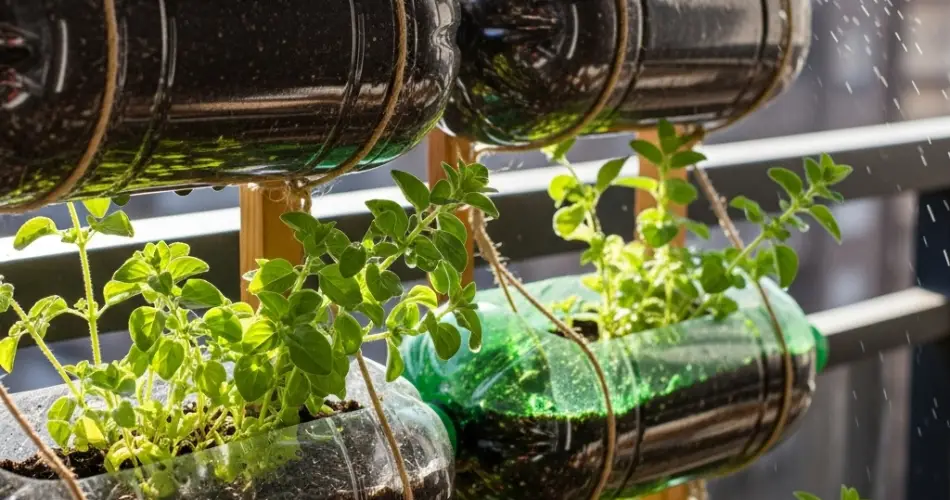
Oregano is a beloved Mediterranean herb that has found its way into kitchens around the world. With its bold, earthy aroma and slightly peppery taste, it enhances countless recipes—from pasta sauces and roasted meats to fresh salads and bread toppings. Growing oregano at home ensures a continuous supply of this flavorful herb, and one of the easiest, most cost-effective ways to expand your oregano collection is through propagation. Instead of relying on expensive pots or garden beds, you can use recycled plastic bottles to create functional, space-saving planters. This simple method allows oregano to grow naturally from stem cuttings to well-rooted plants.
Why Choose Oregano for Bottle Gardening?
Oregano is a hardy perennial that thrives in a variety of environments. It’s drought-tolerant, low-maintenance, and resilient, making it ideal for beginners and experienced gardeners alike. When propagated in containers, oregano is easier to manage, allowing you to control soil quality, water intake, and growth patterns.
Using plastic bottles for propagation not only saves money but also reduces waste. These bottles serve as excellent mini greenhouses, retaining warmth and moisture while providing enough room for cuttings to root. They are lightweight, portable, and perfect for gardeners with limited outdoor space.
Starting with Healthy Cuttings
To propagate oregano successfully, you’ll need a few healthy stems from an established plant. Select green, vigorous shoots about 4–6 inches long. Cut just below a leaf node, since this is where new roots are most likely to form. Strip away the leaves from the lower half of the cutting, leaving a few pairs at the top.
Unlike starting from seed, which can take time and patience, cuttings establish faster and ensure your new plants have the same flavor and growth characteristics as the parent plant.
Preparing Bottle Containers
Turning a bottle into a planter is straightforward and requires only basic tools:
-
Choose the right bottle: A 1–2 liter plastic bottle works best.
-
Cut the bottle: Slice it in half. Use the bottom as the planter and keep the top half as a cover if you want a greenhouse effect.
-
Drainage holes: Poke a few small holes in the base to prevent soggy soil.
-
Add soil: Use a well-draining mix of garden soil, compost, and sand or perlite. Oregano prefers soil that doesn’t stay too wet.
Once your bottle is prepared, it’s ready to welcome your oregano cuttings.
Rooting in Water First
For higher success rates, many gardeners start oregano cuttings in water before transferring them to soil. Place your prepared stems in a glass jar or the cut top half of a plastic bottle filled with clean water. Submerge the lower nodes but keep the leaves dry. Position the container in a bright spot, but avoid direct harsh sunlight.
Within 7–10 days, tiny roots should begin to appear. Once they reach about 1–2 inches, you can transplant the cuttings into the soil-filled bottle planters. This two-step process reduces the chance of failure and ensures your cuttings establish faster in their new home.
Planting in Bottles
When the roots are ready, insert the cuttings into the prepared soil in your bottle container. Press the soil gently around the base to stabilize the stems. Water lightly to moisten the soil but avoid overwatering. Since plastic bottles are small and retain moisture, it’s easy to overdo it, so keep a careful eye.
For a greenhouse effect, you can invert the top half of the bottle and place it back over the planter. This helps retain humidity while the cutting adjusts to its new environment. Once you see new growth, remove the cover to prevent overheating and encourage airflow.
Caring for Oregano in Bottles
Oregano thrives in well-drained soil and loves plenty of sunlight. Place your bottle containers near a sunny windowsill, balcony, or patio where they receive at least 6 hours of light daily. If indoors, a bright south-facing window works well.
Water only when the soil feels dry to the touch. Oregano is drought-tolerant and prefers slightly dry conditions over soggy soil. Pinch off the growing tips regularly to encourage bushier growth and prevent the plant from becoming leggy.
If your oregano begins to flower, snip off the blooms. While the flowers are attractive to pollinators, they can reduce the intensity of flavor in the leaves. Keeping the plant pruned ensures a steady supply of aromatic foliage.
Harvesting Your Homegrown Oregano
After several weeks, your propagated oregano plants will be strong enough for harvesting. Use clean scissors or your fingers to snip leaves and tender stems as needed. For the best flavor, harvest in the morning after the dew has dried but before the sun becomes too hot.
Fresh oregano can be used immediately in cooking, or it can be dried and stored for later use. To dry, gather small bunches and hang them upside down in a cool, dark place. Once dried, store the leaves in airtight containers away from direct sunlight.
Sustainable and Rewarding
Propagating oregano in plastic bottles is more than just a gardening project—it’s a step toward sustainable living. By reusing bottles, you reduce waste while cultivating an herb that adds both flavor and nutrition to your meals. This approach is practical, affordable, and accessible to anyone, regardless of gardening experience or available space.
The satisfaction of turning a simple stem cutting into a thriving plant is rewarding in itself. Combine that with the sustainable use of recycled containers, and you have a gardening method that benefits both you and the environment.
Final Thoughts
Oregano is one of the easiest herbs to propagate, and using plastic bottles makes the process simple, eco-friendly, and space-efficient. From selecting healthy cuttings to nurturing them into full plants, this method ensures a continuous supply of fresh oregano right at home.
Whether you live in a small apartment or have a backyard garden, bottle propagation allows you to grow herbs sustainably while keeping your kitchen stocked with fresh flavor year-round. With a little care and creativity, you’ll enjoy oregano from stem to root, naturally.


