Washing dishes is often considered one of the most tedious and frustrating household chores. If there are only a few plates in the sink, it’s not such a big deal — but when dirty dishes start piling up, it can quickly turn into an overwhelming task that tests anyone’s patience.
Some people are lucky enough to have a dishwasher and can simply rinse and load everything. But for those who wash dishes by hand, the struggle is real — especially when dealing with greasy pans and stubborn food residue. Fortunately, there’s a clever, natural trick that can make this daily routine faster, easier, and even more pleasant: making your own dishwashing detergent using orange peels.
When You Don’t Feel Like Doing the Dishes
We’ve all had those moments when the last thing we want to do is stand at the sink and scrub. If you don’t feel like washing dishes right away, there’s a simple step you can take to make things easier later — let them soak.
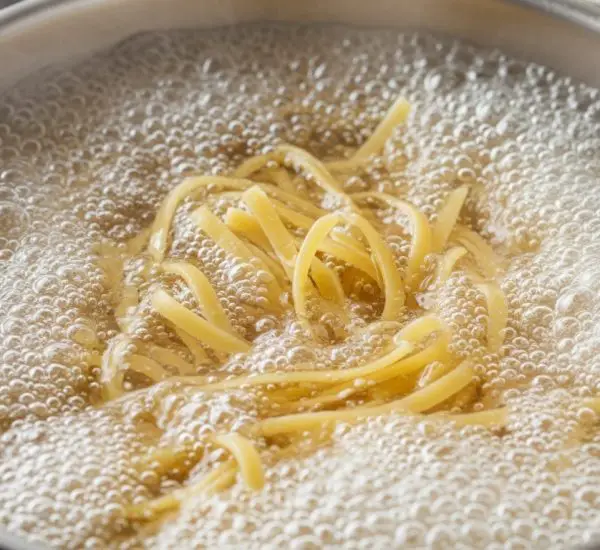
Fill the sink with hot water and submerge the dishes. If possible, use the water left over from boiling pasta, potatoes, or vegetables — it contains starches that help loosen grease and soften stuck-on food. This simple trick can save you a lot of time and effort once you’re ready to start washing.
When you’re finally prepared to face the task, set yourself up for success. Put on your favorite playlist, roll up your sleeves, and gather everything you need: a sponge, detergent, a metal scrubber for tough stains, a dish rack, and perhaps a small brush for corners and utensils.
The Right Way to Wash Dishes by Hand
Not everyone realizes that there’s actually a proper order for washing dishes — and it makes a big difference in both hygiene and efficiency.
Start with the cutlery. Since forks, spoons, and knives come into direct contact with your mouth, they should be washed in very hot water to ensure complete disinfection. Next, move on to glasses and cups, followed by plates and bowls, and finish with pots and pans, which are usually the dirtiest.
Use the soapy side of the sponge to remove grease and light dirt. For burnt-on or hardened residue, switch to the metal scrubber, but be careful not to scratch delicate surfaces like nonstick pans or ceramic plates.
Once all the dishes have been scrubbed, clear the sink of food scraps and rinse everything thoroughly under running water. At this stage, your dishes should already look clean — but to be sure, there’s a simple test.
How to Tell If Your Dishes Are Truly Clean
To check whether your dishes are completely clean, try this quick trick: run your fingers gently across the surface of a plate or glass. If your finger glides smoothly or you feel a greasy film, they’re not clean yet. But if there’s no residue and the surface feels squeaky, your dishes are spotless and ready to dry.
For perfect drying, use a linen towel instead of a cotton one. Linen absorbs moisture efficiently without leaving lint or streaks behind, leaving your glassware crystal clear and your dishes shiny.
Why Store-Bought Dish Soap Isn’t Always the Best
Most people reach for commercial dishwashing detergents from the supermarket without giving it much thought. However, these products often contain harsh chemicals and synthetic fragrances that can irritate the skin and leave residues on dishes. They’re also less eco-friendly and can be more expensive over time.
If you want to switch to something more natural, gentle, and sustainable, try making your own dishwashing liquid at home. It’s incredibly simple, inexpensive, and surprisingly effective — all you need are three basic ingredients: liquid dish soap, vinegar, and orange peels.
DIY Dish Soap with Orange Peels
This homemade detergent combines the cleaning power of traditional soap with the natural degreasing and deodorizing properties of oranges and vinegar. Here’s how to prepare it:
Ingredients:
-
Liquid dish soap (any mild base will work)
-
White vinegar
-
Fresh orange peels
Instructions:
-
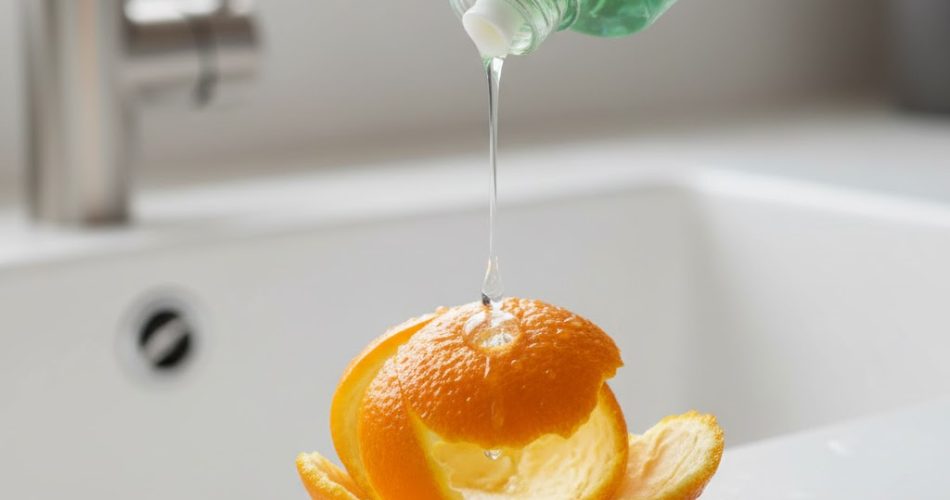
Pour some of your regular dish soap into an empty plastic or glass bottle.
-
Add about one-third of a cup of white vinegar.
-
Shake the bottle gently to mix the two ingredients well.
-
Finally, add the peels of one or two oranges into the bottle.
Let the mixture sit for a few hours — or overnight — before using it. The vinegar helps dissolve grease and disinfects surfaces, while the orange peels release natural essential oils that enhance cleaning power and leave a fresh, pleasant scent.
Why Orange Peels Are So Effective
It may sound unusual, but orange peels are incredibly powerful natural cleaners. They contain limonene, a compound found in citrus oils that cuts through grease and grime easily. In addition to dissolving food residue and removing stains from dishes and cookware, limonene also acts as a deodorizer, leaving your kitchen smelling clean and refreshing.
But the uses of this orange peel cleaner don’t stop there. You can also use it to clean:
-
Glass surfaces, like mirrors and windows, leaving them streak-free.
-
Tiles and countertops, to remove grease and grime.
-
Wooden furniture, such as tables and chairs, thanks to its gentle, non-corrosive nature.
This versatile cleaner is gentle on the skin and safe for people with sensitivities, unlike many synthetic detergents.
The Benefits of Homemade Orange Peel Detergent
Using this natural orange-based dish soap comes with multiple benefits:
-
Eco-friendly: It’s biodegradable and non-toxic for the environment.
-
Cost-effective: You can make it with leftover orange peels that would otherwise go to waste.
-
Skin-safe: It’s mild on the hands, even for those with sensitive skin.
-
Pleasantly fragrant: The combination of vinegar and orange releases a fresh, citrus scent that lingers in your kitchen.
Not only does this homemade detergent clean effectively, but it also brings a sense of satisfaction — knowing you’re reducing waste, avoiding harsh chemicals, and using natural ingredients to keep your home spotless.
Final Thoughts
Doing the dishes might never be your favorite chore, but it doesn’t have to be a dreaded one either. With a few smart strategies and your own homemade orange peel detergent, washing dishes can become faster, cleaner, and even a bit more enjoyable.
This natural cleaner is proof that powerful results don’t always come from commercial products. Sometimes, the best solutions are the simplest — and already waiting for you in your kitchen fruit bowl.
So next time you peel an orange, don’t throw the skin away — turn it into your secret weapon for a sparkling clean kitchen and a home that smells like sunshine.