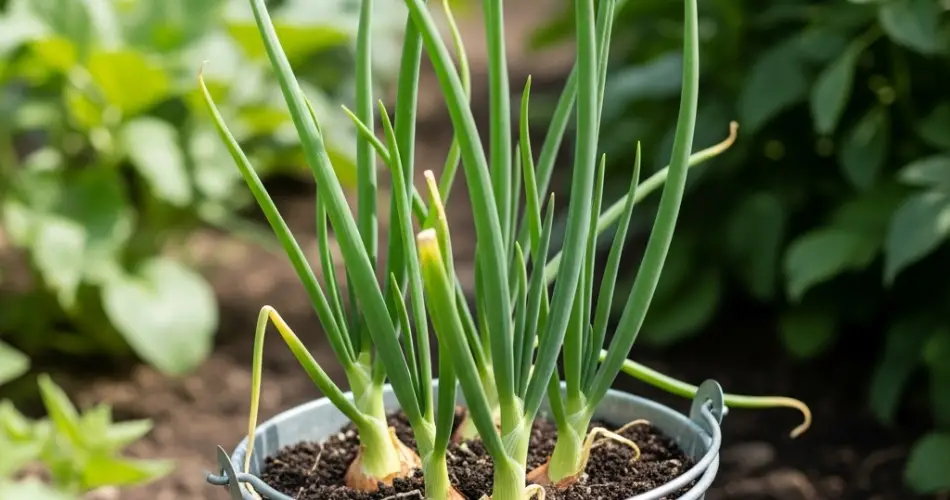
If you’re looking for a simple, space-saving way to grow fresh vegetables at home, try planting onions in a bucket. This easy gardening method is perfect for beginners, apartment dwellers, or anyone with limited outdoor space. Onions are hardy, low-maintenance, and grow well in containers—making them an ideal crop for your patio, balcony, or small backyard.
With a little preparation and care, you can enjoy a steady supply of crisp, flavorful onions right at home. Whether you use them for cooking or fresh garnishes, container-grown onions are a smart addition to any kitchen garden.
Why Grow Onions in a Bucket?
Growing onions in a bucket offers many advantages. Buckets are inexpensive, easy to find, and portable. They also allow you to control the soil quality and drainage, reduce the risk of pests, and make the most of small garden spaces.
Benefits of growing onions in buckets:
-
Requires minimal space
-
Easy to move and manage
-
Reduces weed problems
-
Protects against soil-borne diseases
-
Great for balconies, patios, and even windowsills
This method also helps extend the growing season, as buckets can be placed in warmer, sunnier spots or even brought indoors during cold spells.
Choosing the Right Bucket
Standard 5-gallon plastic buckets are a great choice for onion planting, but any container with similar dimensions will work, as long as it has proper drainage.
Bucket requirements:
-
Depth: At least 10–12 inches deep
-
Width: Wide enough to space onions 3–4 inches apart
-
Drainage: Drill 5–8 holes in the bottom to prevent waterlogging
Food-grade buckets are ideal, especially if you’re reusing containers. Clean them thoroughly before planting to remove any residue or contaminants.
What Type of Onions Should You Grow?
Onions come in three main types: short-day, long-day, and intermediate-day. Your local climate determines which variety is best.
Choose based on your region:
-
Short-day onions: Best for warm southern climates (mature with 10–12 hours of daylight)
-
Long-day onions: Suitable for northern regions (require 14–16 hours of daylight to form bulbs)
-
Intermediate-day onions: Adaptable to a wide range of areas
You can grow onions from seeds, sets (small immature bulbs), or transplants. Sets are the easiest for beginners and establish quickly.
Popular onion varieties for containers include ‘Walla Walla,’ ‘Yellow Granex,’ ‘Red Burgundy,’ and ‘White Lisbon’ for green onions or scallions.
Preparing the Soil
Onions need loose, well-draining, and nutrient-rich soil to develop healthy bulbs. Avoid heavy or compacted soil that holds too much moisture.
Recommended soil mix:
-
2 parts organic potting soil
-
1 part compost or aged manure
-
A handful of perlite or sand to improve drainage
-
Optional: Add bone meal or a balanced slow-release fertilizer
Fill the bucket with your prepared mix, leaving about an inch from the rim for easy watering. Water the soil lightly before planting.
Planting Onions in a Bucket
Once your soil and bucket are ready, it’s time to plant. If using onion sets or transplants, the process is quick and simple.
Steps to plant:
-
Make holes 1–2 inches deep and 3–4 inches apart in all directions.
-
Place each set or transplant in a hole with the pointed end up.
-
Cover gently with soil, firming it around the base.
-
Water thoroughly after planting.
You can grow 6–8 onions comfortably in a standard 5-gallon bucket. For green onions, you can space them closer—about 2 inches apart.
Watering and Sunlight
Onions need consistent moisture to grow well, but they don’t like soggy soil. Buckets tend to dry out faster than ground beds, so regular watering is essential.
Watering tips:
-
Water when the top inch of soil feels dry
-
Avoid overwatering—soil should be moist, not saturated
-
Use a saucer under the bucket if you’re growing on a balcony or indoors
Sunlight needs:
-
Full sun: at least 6–8 hours of direct sunlight per day
-
Move buckets to sunniest spot available
-
Rotate bucket regularly for even exposure if light comes from one direction
Fertilizing and Maintenance
Onions are relatively light feeders but will benefit from occasional feeding, especially in containers.
Feeding schedule:
-
Add compost or liquid fertilizer every 2–3 weeks
-
Use a balanced or nitrogen-rich fertilizer during early growth
-
Switch to a phosphorus-rich fertilizer as bulbs begin to form
Remove any weeds that appear in the bucket and watch for signs of pests like onion maggots or thrips. Neem oil spray can help manage minor infestations naturally.
Harvesting Onions
Depending on the variety and planting method, onions typically take 90–120 days to mature.
Harvesting tips:
-
For green onions, harvest when stems are 6–8 inches tall
-
For bulb onions, wait until the leaves begin to yellow and fall over
-
Gently pull the onions from the soil and shake off excess dirt
-
Cure in a warm, dry place for 1–2 weeks before storing
Once cured, store your onions in a cool, dry, well-ventilated space. Mesh bags or open baskets work best.
Final Thoughts
Growing onions in a bucket is a practical, low-effort way to add fresh produce to your home, no matter how small your space is. With just a few basic materials and some sunlight, you can harvest homegrown onions for your kitchen throughout the year.
It’s an easy project for gardeners of all skill levels and a great way to enjoy the satisfaction of growing your own food—one bucket at a time.


