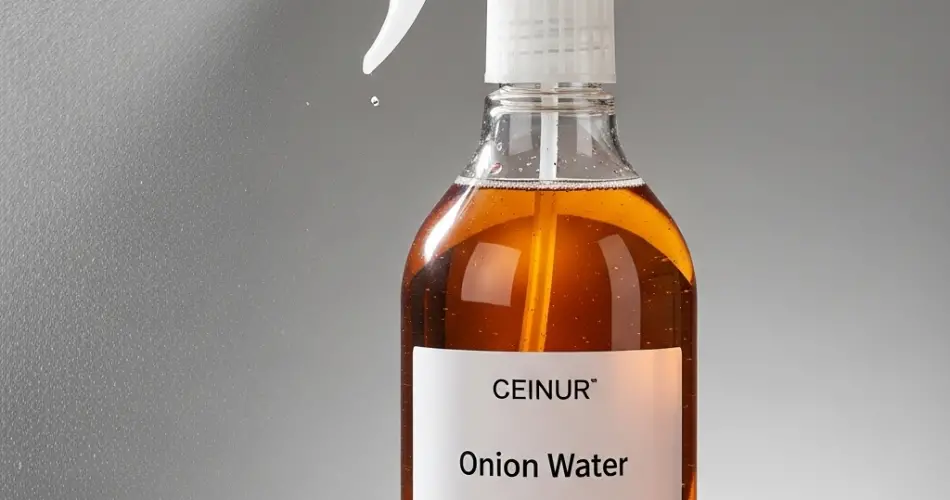
Gardening doesn’t always require expensive fertilizers or synthetic treatments. Sometimes, the best plant boosters come from what we usually throw away—like onion peels. These humble kitchen scraps can be transformed into a powerful, nutrient-rich liquid that feeds your plants, improves soil health, and supports sustainable gardening.
Onion peel water is an easy, eco-friendly fertilizer that works wonders for both indoor and outdoor plants. If you’re looking for a simple way to nourish your garden naturally, this homemade solution is worth trying.
Why Onion Peels Are Beneficial for Plants
Onion skins are rich in essential nutrients that plants need to grow strong and healthy. Though they’re often discarded, these outer layers are a hidden goldmine of organic matter.
Key Nutrients in Onion Peels:
-
Potassium: Essential for flowering, fruiting, and overall plant resilience.
-
Calcium: Helps strengthen plant cell walls and reduces diseases like blossom end rot.
-
Iron: Supports chlorophyll production and prevents yellowing leaves.
-
Magnesium: A core element in photosynthesis and healthy leaf development.
-
Antioxidants: Natural plant compounds that improve disease resistance and reduce environmental stress.
Instead of tossing your onion peels into the compost bin, consider turning them into a liquid fertilizer your plants will love.
How to Make Onion Peel Water
Creating onion peel fertilizer at home is incredibly simple and requires only two ingredients: onion peels and water.
What You’ll Need:
-
A handful of dry onion peels (from red, yellow, or white onions)
-
1 liter (about 4 cups) of water
-
A container with a lid or cover
-
A strainer
Steps:
-
Collect clean, dry onion peels.
-
Place them in a container and pour 1 liter of water over them.
-
Cover and let the mixture sit for 12 to 24 hours at room temperature.
-
Strain out the peels and transfer the liquid into a watering can or spray bottle.
The resulting liquid will have a mild onion scent and a golden-brown color, indicating the nutrients have leached into the water.
How to Use Onion Peel Water in the Garden
This natural fertilizer can be used in multiple ways, depending on your plant’s needs.
1. As a Soil Drench:
Pour the strained onion peel water directly at the base of plants. This method is perfect for:
-
Flowering plants like roses or hibiscus
-
Fruiting vegetables like tomatoes, peppers, and eggplants
-
Leafy greens and herbs
Apply every 7–10 days during the growing season for best results.
2. As a Foliar Spray:
You can spray the diluted onion water on plant leaves to deliver nutrients quickly through foliar absorption. Be sure to:
-
Apply in the early morning or late afternoon to avoid leaf burn.
-
Test on a small area first, especially with delicate plants.
3. For Seedlings and Indoor Plants:
Onion peel water is gentle enough for young plants. Use it in small amounts once a week to help seedlings establish strong roots.
4. In Compost Boosting:
If you don’t use the liquid immediately, pour it into your compost pile or bin. It adds moisture and nutrients, speeding up decomposition.
What Plants Benefit Most from Onion Peel Water?
While onion peel water is safe for most garden plants, it’s especially useful for those that need potassium and calcium, such as:
-
Tomatoes, peppers, and other fruiting vegetables
-
Flowering plants like marigolds, petunias, and geraniums
-
Root vegetables like carrots, beets, and radishes
-
Leafy greens such as spinach, lettuce, and kale
Avoid using onion peel water excessively on acid-sensitive plants, such as blueberries or gardenias, as onions may slightly alter soil pH over time.
Additional Tips and Best Practices
-
Use fresh batches: Onion peel water is most effective when used within 2–3 days. Store leftovers in the fridge if needed.
-
Don’t overapply: Once every week or two is enough. Overuse may cause nutrient imbalance or attract insects.
-
Mix with other fertilizers: Onion water can be part of a broader natural fertilizing routine, complementing compost tea, banana peel water, or diluted fish emulsion.
-
Always strain thoroughly: To avoid clogging spray bottles or watering cans, make sure the liquid is free of solids.
Environmental and Economic Benefits
Using onion peels as fertilizer supports a zero-waste gardening approach. It reduces kitchen waste, saves money on store-bought fertilizers, and eliminates the risk of chemical buildup in your soil. For gardeners committed to sustainability and health—especially those growing food at home—onion peel water is an ideal solution.
Final Thoughts
Onion peel water is more than just a gardening hack—it’s a nutrient-rich tonic that transforms kitchen scraps into plant fuel. Whether you’re nurturing a few pots on your balcony or cultivating a thriving backyard vegetable patch, this simple, homemade fertilizer can boost plant growth, improve soil quality, and support a healthier garden overall.
So the next time you’re peeling onions in the kitchen, don’t throw those skins away—your garden will thank you for it.


