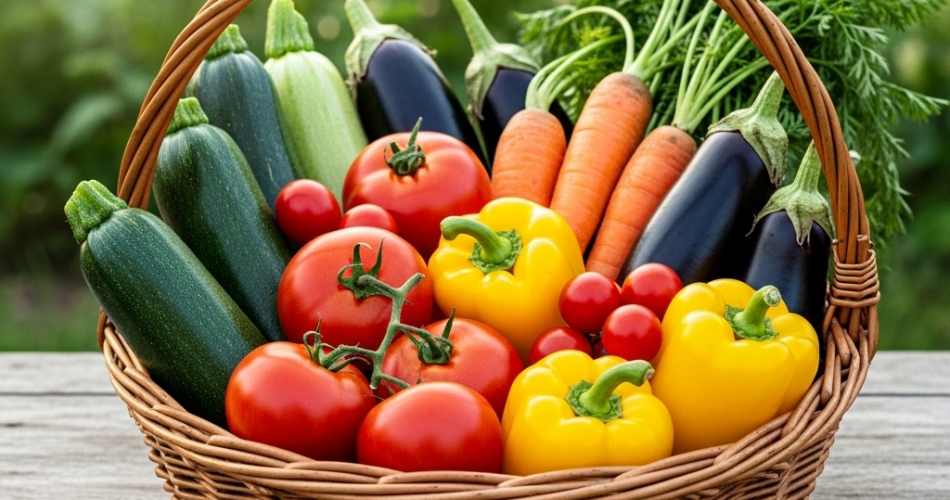
Growing vegetables at home can be a rewarding experience, but many gardeners are frustrated by how long it takes to see results. What if you could speed up the process and enjoy fresh, homegrown vegetables in record time? The truth is, there are ways to accelerate vegetable growth significantly — and many people don’t know about them.
This article reveals a straightforward, effective approach to growing vegetables much faster than traditional methods. Whether you’re new to gardening or a seasoned grower looking for a shortcut, you’ll learn how to optimize growth and harvest your vegetables sooner.
Why Grow Vegetables Quickly?
Faster vegetable growth means:
-
Quicker harvests and fresh food on your table.
-
Multiple growing cycles within a single season.
-
More efficient use of space and resources.
-
Greater motivation and satisfaction from gardening.
Especially for busy people or those with limited space, fast-growing vegetables offer an ideal solution for enjoying gardening without waiting weeks or months.
The Key Principles for Rapid Vegetable Growth
Several factors affect how fast vegetables grow. By focusing on these, you can dramatically shorten the time from seed to harvest:
-
Start Seeds Indoors or Use Seedlings
Starting seeds indoors or purchasing healthy seedlings gives your plants a head start. Instead of waiting for seeds to germinate in unpredictable outdoor conditions, seedlings grown in controlled environments develop roots and foliage faster. -
Provide Optimal Light
Plants need plenty of light to grow quickly. Using grow lights or placing your plants where they get 12–16 hours of bright, indirect sunlight daily boosts photosynthesis and speeds growth. -
Maintain Warm Temperatures
Warm soil and air temperatures encourage rapid germination and growth. Many vegetables thrive in the 20–25°C (68–77°F) range. Using heat mats under seed trays or choosing warmer planting times helps. -
Use Nutrient-Rich Growing Medium
A good quality potting mix or well-prepared garden soil rich in organic matter feeds plants well and supports strong root development. -
Ensure Consistent Watering
Plants need steady moisture to grow fast, but overwatering can cause problems. Keep the soil moist but well-drained. -
Apply Balanced Fertilizers
Regular feeding with balanced or vegetable-specific fertilizers provides essential nutrients for growth and fruit production.
Step-by-Step Method to Grow Vegetables Super Fast
Step 1: Choose Fast-Growing Vegetable Varieties
Some vegetables naturally mature faster than others. Opt for varieties known for quick growth, such as:
-
Leafy greens: Lettuce, spinach, arugula
-
Radishes
-
Green onions
-
Baby carrots
-
Bush beans
-
Zucchini
These crops can be harvested within 30–60 days.
Step 2: Start Seeds Indoors
Plant your seeds 4–6 weeks before your last expected frost date indoors using seed trays or small pots. Maintain warmth and moisture to ensure quick germination.
Step 3: Transplant Seedlings Smartly
Once seedlings have at least two sets of true leaves and the outdoor conditions are favorable, transplant them into your garden or larger containers. Harden them off by gradually exposing them to outdoor conditions for 7–10 days before transplanting.
Step 4: Maximize Growing Conditions
Choose sunny locations that get 6–8 hours of direct sunlight daily. Use raised beds or containers with rich soil. Mulch to retain moisture and control weeds.
Step 5: Regular Care Without Overdoing It
Water consistently, fertilize every two weeks, and remove pests promptly. Avoid overwatering or excessive fertilizing, as these can slow growth.
Growing Vegetables Hydroponically or in Water
One of the fastest ways to grow vegetables is using hydroponics or water propagation techniques. In this soilless method, plants get nutrients directly from water enriched with fertilizers, enabling rapid growth by eliminating the energy plants expend to develop extensive root systems.
Examples of vegetables suitable for hydroponic growth:
-
Lettuce
-
Spinach
-
Kale
-
Herbs like basil and mint
-
Green onions
Hydroponic setups can be DIY or purchased commercially, and they often yield harvests twice as fast as soil-based methods.
Benefits of Growing Vegetables Quickly
-
Multiple Harvests: Speed allows you to grow multiple crops per season, increasing yield.
-
Space Efficiency: Faster cycles mean better use of garden or indoor space.
-
Year-Round Growing: Starting indoors or using hydroponics makes year-round vegetable gardening possible.
-
Cost Savings: Fresh homegrown vegetables reduce grocery bills.
Final Tips for Success
-
Keep a growth journal or calendar to track planting and harvest times.
-
Rotate crops each season to avoid soil depletion and disease.
-
Experiment with companion planting to improve yields.
-
Use organic mulch and compost to enrich your soil naturally.
Conclusion
Not everyone knows how to grow vegetables super fast, but with the right approach, anyone can enjoy fresh, homegrown produce in less time than expected. By starting seeds indoors, optimizing light and temperature, choosing fast-growing varieties, and maintaining consistent care, you can dramatically speed up your vegetable garden’s productivity.
Whether you grow in containers, raised beds, or hydroponics, these strategies will help you harvest more, eat healthier, and enjoy gardening year-round. Try these methods today and watch your vegetables flourish faster than ever before.


