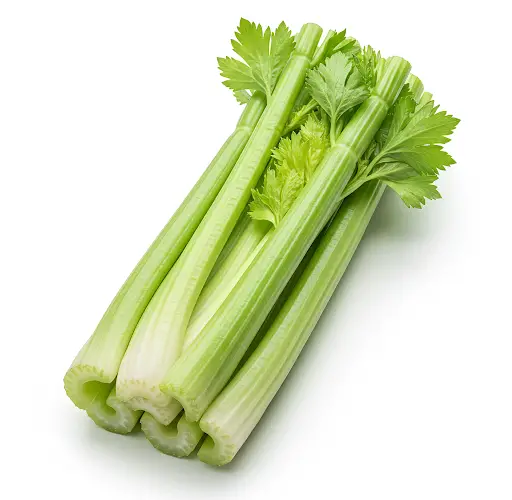
If you’ve been looking for a vegetable that practically grows itself, celery might not be the first thing that comes to mind—but it should be. With the right method, celery can be grown at home with no watering, minimal care, and still provide a fast, abundant harvest. This approach is perfect for busy gardeners, beginners, or anyone who wants to grow healthy food with minimal effort.
Celery is known for its crisp texture and fresh flavor, making it a staple in soups, salads, and snacks. But many people avoid growing it because it’s considered a “fussy” crop. The good news? There’s a simple way to grow celery that avoids all the usual challenges.
Here’s how you can grow celery at home the easy way—no daily watering, no constant care, just good planning and smart setup.
Why Celery Is Worth Growing
Celery is rich in fiber, antioxidants, and essential vitamins like A, C, and K. It’s also a low-calorie vegetable that supports hydration due to its high water content. When homegrown, it tastes more flavorful than store-bought varieties and can be harvested fresh as needed.
With the method described below, celery becomes one of the easiest and most rewarding vegetables to grow at home.
The Secret to No-Watering Celery: Moisture-Retaining Soil and Smart Design
The success of this “no-watering” method lies in preparing a moisture-holding growing environment that supports the plant’s natural needs without frequent irrigation.
Here’s how to get started:
Step 1: Choose the Right Growing Location
Celery loves partial to full sunlight, and ideally needs cool, consistent temperatures. A spot that gets morning sun and afternoon shade is ideal. If you’re growing in a hot climate, some protection from intense afternoon heat helps prevent the plants from bolting (flowering too early).
Step 2: Prepare the Bed or Container
-
Dig deep and loosen the soil to about 10–12 inches.
-
Mix in generous amounts of organic matter, such as compost, worm castings, or aged manure.
-
For better water retention, add coconut coir, rice hulls, or vermicompost—these help hold moisture for longer periods.
If you’re using containers, choose one that is at least 8–10 inches deep and wide enough to accommodate multiple plants spaced at least 6 inches apart.
Step 3: Planting Celery (From Seed or Kitchen Scraps)
You can grow celery either from seeds or regrow it from the base of store-bought celery.
Option 1 – From Seeds:
-
Soak seeds in warm water for 12–24 hours before planting.
-
Start seeds indoors or directly sow them into prepared beds.
-
Keep soil moist during germination, which may take 2–3 weeks.
-
Once seedlings are 3–4 inches tall, thin them to leave 6–8 inches between plants.
Option 2 – From Kitchen Scraps:
-
Save the base of a celery bunch and place it in shallow water for 5–7 days.
-
Once new leaves and roots begin to form, transplant it directly into soil.
Step 4: Moisture-Rich Planting Technique
This is the key step to eliminate the need for ongoing watering:
-
Dig a small trench or deep planting hole.
-
Line the bottom with well-soaked compost, shredded coconut husk, or a water-retaining medium.
-
Plant your celery, then cover it with soil and a thick layer of mulch (like straw or dried leaves) to trap moisture.
-
Water deeply just once at planting—this soaks the soil well.
Thanks to this setup, the soil below remains cool and moist for weeks, even in warm weather.
Step 5: Maintenance-Free Growth
With the above method, there’s virtually no need for daily watering. Celery’s shallow root system thrives in the moist topsoil, and the thick mulch prevents evaporation. Occasional weeding might be required, but beyond that, it’s truly a set-it-and-forget-it crop.
You can optionally feed your plants with a diluted compost tea every few weeks, but even this is optional if your soil is rich enough.
Step 6: Harvesting Celery
Celery typically takes 90–120 days to mature fully, but you can begin harvesting much earlier by picking outer stalks as needed. This “cut-and-come-again” method encourages continued growth from the center.
For full harvest:
-
Wait until the plant forms a thick, clustered base.
-
Cut the whole plant at soil level or gently pull it from the ground.
You can also regrow new plants from the base again, continuing the cycle.
Bonus Tip: Grow Celery Year-Round
In warmer regions, celery can be grown year-round with a bit of shade in summer and protection in winter. In cooler climates, start seeds indoors during late winter or early spring and transplant after the danger of frost has passed.
Final Thoughts
Who knew celery could be so low-maintenance? With a little planning and smart soil preparation, you can grow lush, flavorful celery without constant watering or care. Whether you’re new to gardening or just want a hassle-free vegetable to add to your homegrown produce, this method makes celery an excellent choice.
Try it once, and you may never buy celery again!


