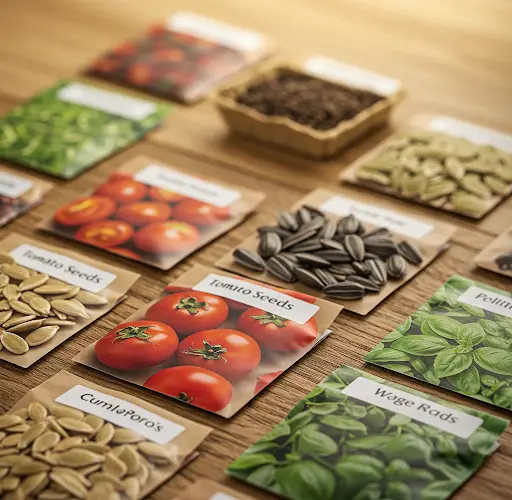
No Seeds, No Problem: How to Grow Vegetables Without Buying Seeds
Growing your own vegetables doesn’t always require purchasing seeds. Many plants can be propagated from kitchen scraps, supermarket produce, or even leftovers from your own garden. With the right techniques, you can grow an abundant vegetable garden without spending a dime on seeds. This guide explores various methods to cultivate vegetables using scraps, cuttings, and store-bought produce, ensuring a continuous and sustainable harvest.
Growing Vegetables from Kitchen Scraps
Many vegetables can regrow from their scraps, making them an excellent way to start a garden with minimal investment. Here are some easy options:
1. Regrowing Leafy Greens
Leafy greens such as lettuce, bok choy, and celery can be regrown from their base:
- Cut off the bottom 2 inches of the stalk and place it in a shallow bowl with water.
- Change the water every couple of days and place it in a sunny location.
- After roots and new leaves appear, transplant the cutting into soil for continuous growth.
2. Growing Onions, Garlic, and Leeks
Allium family members like onions, garlic, and leeks are incredibly easy to regrow:
- Onions: Save the root end of an onion and plant it directly in soil, covering it lightly.
- Garlic: Separate a clove from a bulb and plant it pointed side up in soil.
- Leeks: Place the root end in water until new shoots develop, then transplant into soil.
3. Propagating Potatoes and Sweet Potatoes
Potatoes and sweet potatoes can be grown from store-bought or leftover tubers:
- Cut potatoes into chunks with at least one “eye” (small bud) on each piece.
- Let them dry for a day or two before planting in well-draining soil.
- Sweet potatoes can be sprouted by submerging half of the tuber in water until slips (shoots) grow, which can then be planted in soil.
Growing Vegetables from Supermarket Produce
Many supermarket vegetables can be replanted and grown at home. Here are some simple ways to propagate them:
1. Growing Peppers, Tomatoes, and Cucumbers
These vegetables contain seeds that can be extracted and planted:
- Remove seeds from ripe produce and rinse them thoroughly.
- Allow seeds to dry for a few days before planting in soil.
- Keep soil moist and place in a warm, sunny area for germination.
2. Regrowing Herbs from Cuttings
Many herbs, including basil, mint, and cilantro, can be propagated from cuttings:
- Take a healthy stem cutting about 4–6 inches long.
- Place the cutting in a glass of water and change the water every few days.
- Once roots develop, transfer the herb to soil for continued growth.
3. Replanting Ginger and Turmeric
Ginger and turmeric roots (rhizomes) can be planted directly in soil:
- Choose fresh, firm pieces with visible buds or “eyes.”
- Plant them in a shallow container with well-draining soil.
- Keep soil moist and warm; sprouts should appear within a few weeks.
Using Leftover Plants from the Garden
If you already have a garden, you can regrow vegetables without needing to buy new seeds by using the following methods:
1. Saving Seeds from Existing Plants
Many vegetables produce seeds that can be collected and replanted:
- Allow plants like tomatoes, peppers, and squash to fully mature before harvesting their seeds.
- Rinse and dry seeds before storing them in a cool, dry place for future planting.
2. Dividing and Propagating Perennials
Certain vegetables like rhubarb, asparagus, and chives can be divided and replanted to expand your garden:
- Carefully separate plant clumps and replant in well-prepared soil.
- Ensure that divided plants receive adequate water and nutrients to establish new growth.
Caring for Your Vegetables
Once your vegetables start growing, proper care is essential for a healthy harvest:
- Water Regularly – Most vegetables need consistent watering to thrive.
- Provide Sunlight – Ensure plants get at least 6–8 hours of sunlight daily.
- Use Natural Fertilizers – Compost, coffee grounds, and eggshells can boost soil nutrients.
- Monitor for Pests – Check plants frequently and use natural pest deterrents like neem oil or companion planting.
Conclusion
Growing vegetables without buying seeds is a simple and sustainable way to cultivate your own food. By using kitchen scraps, store-bought produce, and garden leftovers, you can create a thriving vegetable garden with little to no cost. With patience and proper care, you’ll enjoy fresh, homegrown produce year-round. Start experimenting with these methods and watch your garden flourish!


