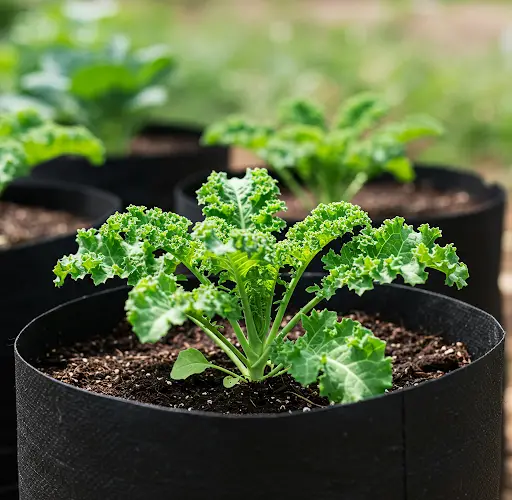
Effortless Kale Cultivation: How to Grow Kale in Soil Bags for Beginners
Kale is a nutrient-dense leafy green that thrives in various climates and requires minimal maintenance. If you’re new to gardening or lack a large outdoor space, growing kale in soil bags is a simple, space-efficient, and beginner-friendly method. This approach ensures a steady harvest while eliminating the need for constant weeding or tending.
In this guide, we’ll explore the easy, no-fuss method to grow kale in soil bags and enjoy fresh, homegrown greens without the hassle.
Why Grow Kale in Soil Bags?
Using soil bags instead of traditional garden beds offers several advantages:
✔ Minimal Space Required – Ideal for balconies, patios, or small yards. ✔ Easy to Set Up – No need for raised beds or digging. ✔ Better Drainage & Aeration – Promotes healthier root growth. ✔ Portable & Flexible – Move the bags for optimal sunlight. ✔ Pest & Weed Control – Keeps kale safe from soil-borne pests. ✔ Extended Growing Season – Easily adapt to seasonal changes.
Step-by-Step Guide to Growing Kale in Soil Bags
Step 1: Selecting the Right Kale Variety
Kale comes in different types, each with unique flavors and textures:
- Curly Kale – Classic, ruffled leaves with a mild taste.
- Lacinato (Dinosaur) Kale – Dark, bumpy leaves with a rich flavor.
- Red Russian Kale – Flat, reddish-green leaves with a tender texture.
- Siberian Kale – Hardy and cold-tolerant, ideal for extended harvests.
For beginners, Curly Kale and Lacinato Kale are great options as they are easy to grow and resilient.
Step 2: Preparing the Soil Bags
- Use heavy-duty soil bags (potting soil bags work well) or grow bags.
- Choose bags that are at least 12-15 inches deep for proper root growth.
- Puncture several small drainage holes at the bottom to prevent water buildup.
- If using a regular soil bag, cut an opening on top for planting space.
Step 3: Preparing the Soil Mix
Kale thrives in nutrient-rich, well-draining soil. The best mix includes:
- 50% Potting Soil or Garden Soil – Provides a solid foundation.
- 30% Compost or Aged Manure – Boosts nutrients and retains moisture.
- 10% Perlite or Sand – Enhances drainage and aeration.
- 10% Coco Peat or Peat Moss – Helps retain moisture while preventing compaction.
Fill the soil bag with this mix, leaving 2-3 inches of space at the top.
Step 4: Planting the Kale Seeds or Seedlings
- If using seeds, sprinkle them ¼ inch deep, spacing them 6 inches apart.
- If using seedlings, dig small holes and transplant them 8-12 inches apart.
- Lightly press the soil around the seeds or roots and water gently.
Step 5: Providing Optimal Growing Conditions
For best results, ensure the following conditions:
- Sunlight – Kale needs 6-8 hours of sunlight daily.
- Temperature – Thrives in 45-75°F (7-24°C) but can tolerate frost.
- Watering – Keep the soil moist but not soggy; water 2-3 times a week.
- Location – Place the soil bags in a sunny spot with good airflow.
Caring for Kale in Soil Bags (Minimal Effort Required!)
1. Watering
- Water deeply when the top inch of soil feels dry.
- Avoid overwatering, as kale prefers slightly moist soil.
2. Fertilizing
- Apply a balanced organic fertilizer (10-10-10) every 4-6 weeks.
- Use compost tea or fish emulsion for extra nutrition.
3. Mulching
- Add a thin layer of straw or dry leaves to retain moisture and reduce weeds.
- Helps keep soil temperature stable for better growth.
4. Managing Pests & Diseases
- Aphids & Caterpillars – Spray with neem oil or soapy water.
- Fungal Diseases – Avoid overhead watering and improve air circulation.
- Slugs & Snails – Place crushed eggshells around the base to deter them.
Harvesting Kale for Continuous Growth
✔ Start harvesting young leaves after 30-40 days. ✔ Pick outer leaves first, allowing the center to keep growing. ✔ Harvest regularly to promote new growth and extend the yield. ✔ Store harvested kale in the refrigerator for up to a week or blanch and freeze for long-term use.
Growing Kale Year-Round in Soil Bags
One of the greatest advantages of this method is the ability to harvest kale continuously throughout the year. Here’s how: ✔ Succession Planting – Sow new seeds every 4-6 weeks for a continuous supply. ✔ Move Bags Indoors During Winter – In colder regions, bring soil bags indoors. ✔ Use Row Covers or Mini Greenhouses – Protects kale from extreme cold. ✔ Regrow from Stems – After cutting leaves, kale can sprout new growth from the base.
Conclusion
Growing kale in soil bags is an effortless, space-saving, and highly productive method perfect for beginners. With minimal care and a steady yield, this approach allows you to enjoy fresh, organic kale all year long without the challenges of traditional gardening.
If you’re looking for a low-maintenance way to grow nutrient-packed greens, start planting kale in soil bags today—you’ll be amazed by how easy and rewarding it is!


