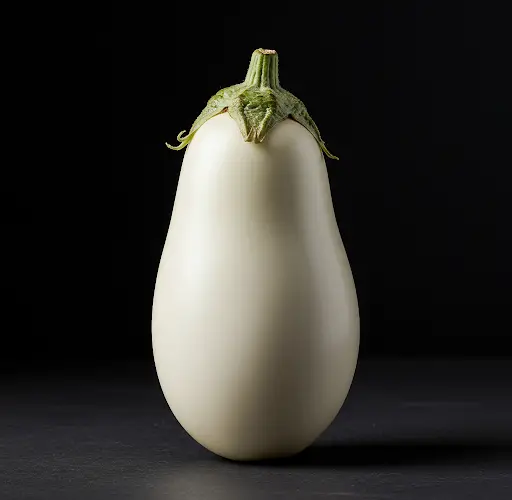
How to Grow White Eggplant (Goose Egg Eggplant) – Easy and Rewarding!
White eggplant, also known as goose egg eggplant, is a unique and productive variety that stands out for its large, smooth, and beautiful white fruits. Not only is it visually appealing, but it also has a delicate, mild flavor that makes it perfect for various dishes. The good news? Growing white eggplant is easy! Whether you’re a beginner gardener or an experienced grower, you can cultivate this wonderful plant in your garden or in containers with minimal effort.
In this guide, we’ll walk through everything you need to know about growing white eggplant successfully, from selecting seeds to harvesting large, healthy fruits.
Why Grow White Eggplant?
White eggplants are gaining popularity due to their numerous advantages: ✔ Mild, Creamy Flavor – Less bitter than purple eggplants, ideal for many dishes. ✔ High-Yielding Variety – Produces large, heavy fruits throughout the season. ✔ Heat-Tolerant & Resilient – Thrives in warm climates with little maintenance. ✔ Ideal for Containers – Can be grown in pots, making it perfect for small spaces. ✔ Fast-Growing – Produces fruit within 60-75 days after transplanting.
Step-by-Step Guide to Growing White Eggplant (Goose Egg Eggplant)
Step 1: Choosing the Right Seeds or Seedlings
- Purchase high-quality white eggplant seeds from a trusted supplier.
- If you want faster results, buy young seedlings from a local nursery.
- Choose a variety labeled as goose egg eggplant or any large-fruited white eggplant.
Step 2: Selecting the Best Planting Location
White eggplants love warm, sunny conditions. For best growth:
- Sunlight: Provide 6-8 hours of full sun daily.
- Soil: Use well-draining, fertile soil with a pH of 5.5-6.8.
- Temperature: Eggplants thrive in 70-85°F (21-29°C).
- Space: If planting in the ground, space plants 18-24 inches apart.
Step 3: Starting Seeds Indoors (Optional)
If growing from seeds, start them indoors 6-8 weeks before the last frost:
- Fill seed trays with light, well-draining potting mix.
- Plant seeds ¼ inch deep, keeping them moist but not soggy.
- Maintain a temperature of 75-80°F (24-27°C) for fast germination.
- Once seedlings reach 4-6 inches tall, they’re ready for transplanting.
Step 4: Transplanting to Garden or Containers
- For garden planting: Dig holes deep enough to accommodate the roots.
- For container gardening: Choose a 5-gallon pot per plant with drainage holes.
- Harden off seedlings by gradually exposing them to outdoor conditions for 7-10 days.
- Transplant after the danger of frost has passed, ensuring roots are covered well with soil.
Step 5: Watering and Mulching
- Water deeply 2-3 times per week, keeping the soil evenly moist.
- Avoid overwatering to prevent root rot.
- Apply a layer of straw or compost mulch to retain moisture and regulate soil temperature.
Step 6: Fertilizing for Maximum Growth
White eggplants are heavy feeders and benefit from regular fertilization: ✔ At transplanting: Add compost or aged manure for a nutrient boost. ✔ During growth: Apply a balanced fertilizer (10-10-10) every 3-4 weeks. ✔ Flowering stage: Use a fertilizer high in phosphorus (5-10-10) to promote fruiting. ✔ Avoid excessive nitrogen, which can cause excessive leafy growth but fewer fruits.
Caring for White Eggplant (Minimal Maintenance Required!)
✔ Pruning: Remove lower leaves and weak branches to improve airflow and prevent disease. ✔ Support: Use stakes or cages to support plants, especially when fruits develop. ✔ Pest Control: Watch out for aphids, flea beetles, and spider mites.
- Use neem oil or insecticidal soap to deter pests naturally. ✔ Disease Prevention: Avoid overhead watering to prevent fungal infections. ✔ Companion Planting: Grow eggplants near basil, marigolds, or beans to repel pests.
When & How to Harvest White Eggplant
- White eggplants mature in 60-75 days after transplanting.
- Harvest when fruits are firm, glossy, and about 4-6 inches long.
- Cut the fruit using pruning shears, leaving a short stem attached.
- Avoid waiting too long, as overripe eggplants can become bitter and tough.
Storing and Using White Eggplant
✔ Fresh Storage: Keep in the refrigerator for up to 1 week. ✔ Long-Term Storage: Blanche and freeze slices for later use. ✔ Culinary Uses: Perfect for roasting, grilling, stir-frying, and making eggplant parmesan.
Common Problems & Solutions
1. Yellowing Leaves? ✔ Possible cause: Overwatering or nutrient deficiency. ✔ Solution: Reduce watering and apply a balanced fertilizer.
2. Small or Misshapen Fruits? ✔ Possible cause: Poor pollination or lack of nutrients. ✔ Solution: Hand-pollinate flowers and apply phosphorus-rich fertilizer.
3. Wilting Plants? ✔ Possible cause: Heat stress or root damage. ✔ Solution: Water deeply and apply mulch to retain moisture.
Conclusion
Growing white eggplant (goose egg eggplant) is an easy and rewarding gardening project. With minimal care, you can enjoy large, beautiful fruits that are both delicious and nutritious. Whether you’re planting in the garden or in containers, following these simple steps will ensure a bountiful harvest all season long.
So why not give it a try? Start growing your own white eggplants today and experience the joy of homegrown produce!


