Plants add beauty, freshness, and life to our homes and gardens, but not all plants are safe to have around. Some common species can pose serious risks to your health, your family, and your pets. Knowing which plants to avoid can save you from dangerous situations, allergic reactions, or even poisoning.
In this article, we’ll cover some of the most hazardous plants you might find in urban gardens or homes and explain why they can be harmful. By learning about these plants, you can protect your living spaces and ensure a safe, healthy environment for everyone.
Why Some Plants Are Dangerous
Many toxic plants contain compounds that can cause skin irritation, allergic reactions, or poisoning if ingested. Children and pets are particularly vulnerable because they often touch or chew on leaves and flowers out of curiosity.
Additionally, some plants may attract harmful insects or worsen allergies. Being informed is the first step to avoiding potential problems.
Common Dangerous Plants to Avoid
1. Dieffenbachia (Dumb Cane)
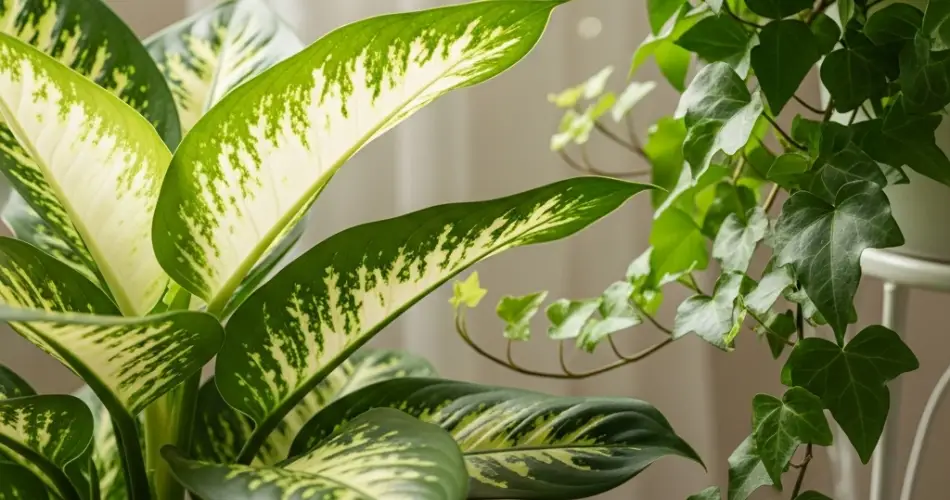
Dieffenbachia is a popular houseplant due to its large, attractive leaves, but it contains calcium oxalate crystals that are toxic if chewed or ingested. Contact with the sap can cause intense mouth and throat irritation, swelling, and difficulty speaking, which is why it’s nicknamed “dumb cane.”
Keep this plant out of reach of children and pets, or better yet, avoid having it indoors altogether.
2. Oleander
Oleander is an ornamental shrub with beautiful flowers, but all parts of the plant are highly toxic. Ingesting even a small amount can cause severe symptoms, including nausea, vomiting, heart irregularities, and, in extreme cases, death.
Avoid planting oleander near play areas or where pets roam freely.
3. Foxglove
Foxglove is a stunning garden plant, known for its tall spikes of bell-shaped flowers. However, it contains cardiac glycosides—chemicals that affect heart function. Consuming foxglove leaves or flowers can be fatal.
Handle with care and consider alternatives if children or animals frequent your garden.
4. Castor Bean Plant
The castor bean plant is attractive due to its large leaves and seeds, but it contains ricin—a potent toxin. Ricin poisoning can cause severe abdominal pain, vomiting, diarrhea, and organ failure.
Because the seeds are particularly dangerous, avoid planting castor beans in residential areas.
5. English Ivy
English ivy is commonly used as a decorative climbing plant but can cause skin irritation and allergic reactions upon contact. Ingesting ivy leaves or berries may cause nausea and respiratory issues.
Exercise caution when handling ivy, and prevent pets and children from ingesting any part of the plant.
Plants That Cause Allergies and Respiratory Issues
Certain plants produce pollen, spores, or oils that can trigger allergies or asthma attacks:
-
Ragweed: Known for its highly allergenic pollen, ragweed is a common cause of hay fever.
-
Poison Ivy: Causes severe skin rashes due to urushiol oil.
-
Marigolds: Can cause skin irritation in sensitive individuals.
Avoid planting or placing these in or near areas where you or family members spend a lot of time.
Safe Plant Alternatives for Your Home and Garden
If you want to keep your space green and safe, consider non-toxic plants that are both beautiful and easy to care for, such as:
-
Spider Plant
-
Boston Fern
-
Bamboo Palm
-
African Violet
-
Areca Palm
These plants are known to be safe for children and pets while adding natural beauty to your surroundings.
Tips to Keep Your Home and Garden Safe
-
Research before planting: Always check the safety of plants before introducing them to your garden or home.
-
Educate family members: Teach children about the dangers of touching or eating unknown plants.
-
Use physical barriers: Keep dangerous plants out of reach or confined in areas where pets and children cannot access them.
-
Wear gloves: When handling potentially irritating plants, protect your skin.
-
Dispose of hazardous plants carefully: Remove and properly discard any dangerous plants in your garden.
What to Do in Case of Poisoning or Allergic Reaction
If you suspect someone has ingested or had contact with a toxic plant:
-
Remove any plant material from the mouth or skin.
-
Rinse the affected area with water.
-
Seek immediate medical attention or call poison control.
-
For pets, contact your veterinarian right away.
Quick action can prevent serious health complications.
Conclusion
While plants bring many benefits to our lives, it’s crucial to recognize which ones can pose a threat. By avoiding these dangerous plants and choosing safe alternatives, you can enjoy a vibrant and healthy home or garden without risking your family’s safety.
If you’re ever unsure about a plant’s toxicity or want recommendations for safe greenery, there are many resources and experts ready to help.


