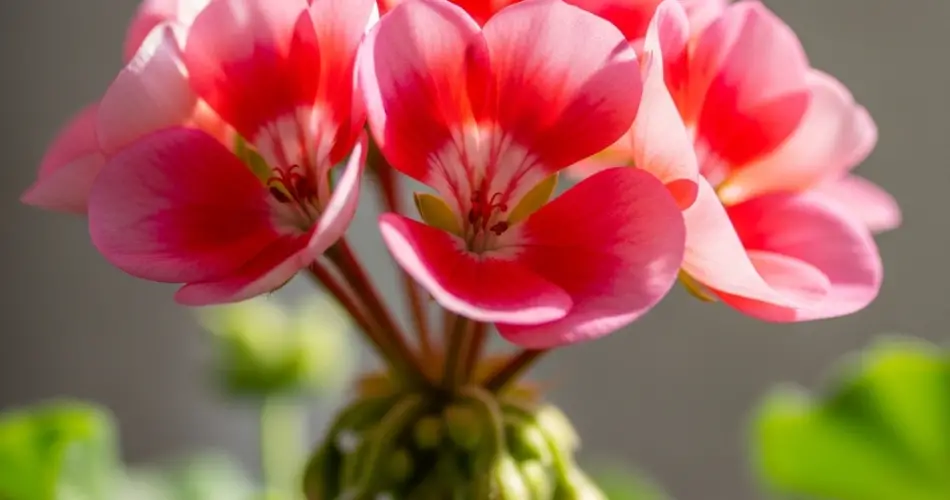
Geraniums are a favorite among gardeners for their vibrant flowers and pleasant aroma. However, like many garden plants, they can fall victim to pests, especially the notorious geranium caterpillar. These caterpillars can cause significant damage by feeding on leaves and flowers, weakening the plant and affecting its growth and beauty.
Fortunately, you don’t have to resort to harsh chemical insecticides to protect your geraniums. There are effective, natural methods that help you control and eliminate these pests without harming your plants, beneficial insects, or the environment.
In this article, you will learn a simple homemade trick to get rid of geranium caterpillars safely and sustainably, allowing your plants to flourish.
Understanding the Geranium Caterpillar Problem
Geranium caterpillars are the larval stage of certain butterflies and moths that lay their eggs on geranium leaves. Once hatched, the caterpillars feed voraciously on the foliage, creating holes and skeletonizing the leaves. Severe infestations can lead to stunted growth or even the death of the plant.
While these caterpillars are part of the natural ecosystem and will eventually transform into butterflies, their damage to cultivated geraniums can be frustrating for gardeners.
Why Avoid Chemical Insecticides?
Chemical insecticides might seem like a quick solution, but they come with drawbacks:
-
Harm to beneficial insects: Many insecticides kill pollinators and natural predators that help maintain garden balance.
-
Environmental impact: Chemicals can contaminate soil, water, and harm wildlife.
-
Resistance development: Pests can become resistant, making insecticides less effective over time.
-
Health risks: Exposure to chemicals poses risks to humans and pets.
Using natural remedies is safer, eco-friendly, and often more sustainable.
The Homemade Trick to Eliminate Geranium Caterpillars
One of the most effective homemade solutions to control geranium caterpillars involves a simple natural spray made with ingredients commonly found at home. This spray works by deterring caterpillars and disrupting their feeding without harming the plant or beneficial insects.
Ingredients:
-
Water (1 liter)
-
Liquid soap or mild dish soap (1 tablespoon)
-
Vegetable oil (1 tablespoon)
-
Garlic (2 cloves, crushed)
-
Chili powder or cayenne pepper (1 teaspoon)
Preparation:
-
Crush the garlic cloves and let them soak in a cup of water for about 30 minutes.
-
Strain the garlic water to remove solids.
-
Mix the garlic water with the rest of the water in a spray bottle.
-
Add liquid soap and vegetable oil to the bottle.
-
Stir or shake well to combine.
-
Finally, add chili powder or cayenne pepper and shake again.
How to Use the Spray
-
Spray the solution generously on geranium leaves, focusing on the undersides where caterpillars often hide.
-
Apply in the early morning or late afternoon to avoid leaf burn from sun exposure.
-
Repeat every 3-4 days or after rain to maintain effectiveness.
-
Monitor your plants regularly to catch infestations early.
Why This Trick Works
-
Garlic and chili pepper: Both act as natural repellents. The strong smell and taste discourage caterpillars from feeding.
-
Soap: Helps the solution adhere to leaves and insects, disrupting caterpillar respiration.
-
Vegetable oil: Coats caterpillars, reducing their ability to breathe and move, without toxic chemicals.
Together, these ingredients create a protective barrier that makes your geraniums less attractive and less hospitable to caterpillars.
Additional Natural Control Methods
Besides the homemade spray, here are other organic ways to manage geranium caterpillars:
-
Handpicking: Remove caterpillars manually and dispose of them away from your garden.
-
Introduce natural predators: Birds, parasitic wasps, and beneficial insects like ladybugs can help control caterpillar populations.
-
Companion planting: Plant herbs like basil, mint, or nasturtiums nearby to repel pests naturally.
-
Maintain garden hygiene: Remove fallen leaves and debris to reduce places where pests can hide or lay eggs.
Preventive Measures to Keep Geraniums Healthy
-
Regular inspection: Check plants frequently for early signs of caterpillar damage.
-
Proper watering and fertilizing: Healthy plants are more resistant to pests and recover faster.
-
Avoid over-fertilizing: Excess nitrogen can encourage soft, tender growth favored by caterpillars.
Benefits of Using Natural Pest Control
By choosing homemade remedies like the garlic and chili spray, you:
-
Protect beneficial insects that pollinate and control other pests.
-
Avoid chemical residues on your plants, making them safer for children and pets.
-
Reduce environmental pollution.
-
Support sustainable gardening practices that promote biodiversity.
Conclusion
Geranium caterpillars can be a troublesome pest, but you don’t need harsh chemicals to keep them at bay. A simple homemade spray using garlic, chili, soap, and vegetable oil can effectively deter and eliminate caterpillars without damaging your plants or the environment.
By combining this natural treatment with regular garden maintenance and monitoring, your geraniums will stay healthy, vibrant, and pest-free all season long.


