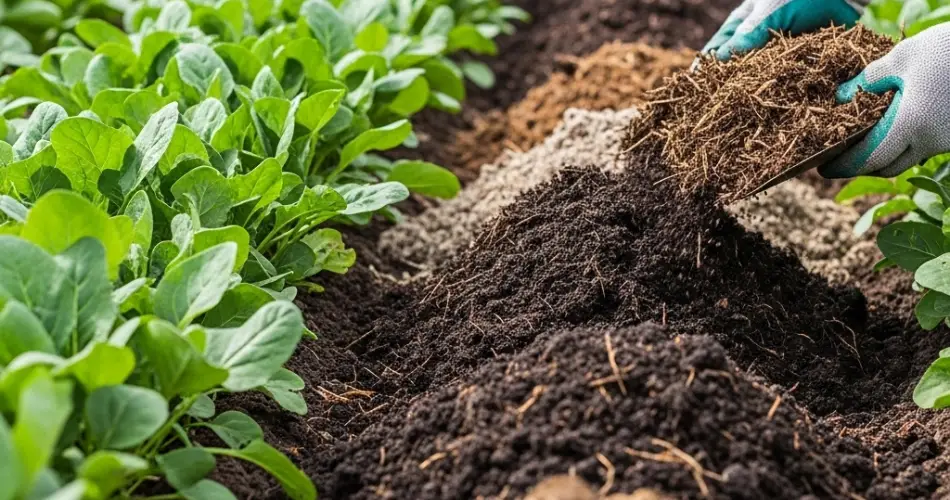
Healthy soil is the foundation of a thriving garden. Whether you’re growing vegetables, herbs, flowers, or fruit trees, the condition of your soil directly impacts plant health, productivity, and resilience. Over time, soil can become depleted of nutrients, compacted, or imbalanced—especially if you’re planting in the same space season after season. Fortunately, there are several natural soil boosters that can restore fertility, improve texture, and create an ideal environment for plant roots to flourish.
Here’s a comprehensive look at the most effective natural soil boosters every gardener should try.
1. Compost: The Ultimate Soil Conditioner
Compost is one of the best ways to enrich your garden soil naturally. Made from decomposed organic matter like kitchen scraps, garden waste, and leaves, compost adds essential nutrients and beneficial microorganisms back into the soil.
Benefits:
-
Improves soil structure and aeration
-
Increases water retention
-
Feeds beneficial soil microbes
-
Provides a slow-release source of nutrients
How to use:
Spread 1–2 inches of compost on your garden beds and mix it into the top layer of soil. You can also use it as a mulch around plants or brew compost tea for a liquid boost.
2. Worm Castings: Nature’s Fertilizer
Also known as vermicompost, worm castings are the nutrient-rich waste produced by earthworms. They’re packed with nitrogen, phosphorus, potassium, and beneficial bacteria.
Benefits:
-
Promotes strong root growth
-
Enhances soil microbial life
-
Helps protect plants from disease
-
Improves moisture retention
How to use:
Mix worm castings into potting soil or garden beds. A small amount goes a long way—just a few handfuls per plant can significantly improve growth.
3. Aged Manure: Powerful Organic Matter
Manure from herbivores such as cows, horses, chickens, or rabbits can greatly improve soil fertility—but only when it’s aged or composted properly to avoid burning plants.
Benefits:
-
High in nitrogen and organic matter
-
Boosts soil structure and moisture-holding capacity
-
Encourages earthworm activity
How to use:
Apply well-rotted manure as a top dressing or till it into the soil a few weeks before planting. Avoid fresh manure, as it may contain harmful pathogens and excessive ammonia.
4. Bone Meal: A Phosphorus Boost
Bone meal is a powdered form of ground animal bones, rich in phosphorus and calcium—two key nutrients for root and flower development.
Benefits:
-
Encourages strong root systems
-
Supports flowering and fruiting
-
Adds long-lasting nutrients to the soil
How to use:
Mix bone meal into the soil at planting time, especially around bulbs, tomatoes, or flowering plants. It’s best suited for phosphorus-deficient soils.
5. Green Manure: Living Soil Enhancer
Green manure refers to cover crops such as clover, rye, or legumes that are grown during the off-season and then tilled into the soil.
Benefits:
-
Prevents soil erosion
-
Fixes nitrogen in the soil (especially legumes)
-
Improves soil texture and organic matter
-
Suppresses weeds naturally
How to use:
Plant green manure in fall or between crop rotations. When plants are about halfway to maturity, cut them down and mix them into the soil.
6. Rock Dust: Mineral-Rich Amendment
Rock dust, such as basalt or granite dust, is a natural source of trace minerals that replenish depleted soils.
Benefits:
-
Adds essential micronutrients
-
Enhances microbial activity
-
Improves soil structure over time
How to use:
Sprinkle a thin layer of rock dust over garden beds or mix it into compost. Effects are long-term, so apply once or twice a year for best results.
7. Wood Ash: A Source of Potassium and Lime
Ash from untreated wood is high in potassium and can help raise the pH of acidic soils.
Benefits:
-
Provides potassium and calcium
-
Neutralizes overly acidic soil
-
Deters pests like slugs and snails
How to use:
Sprinkle lightly over garden beds and mix into the soil. Avoid using wood ash near acid-loving plants like blueberries or azaleas.
8. Seaweed: A Nutrient-Rich Organic Fertilizer
Seaweed, whether fresh, dried, or in liquid form, offers a wide range of minerals and natural growth hormones that boost plant health.
Benefits:
-
Enhances root development
-
Improves plant resistance to stress
-
Adds trace elements and growth hormones
How to use:
Rinse fresh seaweed to remove salt before applying. Spread it directly on soil as mulch, or steep it in water to create a liquid fertilizer.
9. Mulch: A Multi-Functional Soil Booster
Organic mulches like straw, shredded leaves, bark, and grass clippings do more than suppress weeds—they slowly decompose and feed the soil.
Benefits:
-
Conserves moisture
-
Reduces temperature fluctuations
-
Improves soil as it breaks down
-
Encourages earthworm activity
How to use:
Apply 2–3 inches around plants, keeping it away from stems to avoid rot. Refresh the mulch layer as needed.
Final Thoughts
Healthy soil is a living system that requires care, balance, and regular nourishment. By using natural soil boosters, you not only improve your plants’ performance but also support a thriving underground ecosystem. These organic amendments build long-term fertility, reduce your reliance on synthetic products, and help you grow more vibrant, resilient plants.
Incorporate a mix of these soil enhancers into your gardening routine, and over time, you’ll see richer soil, healthier crops, and a more sustainable garden overall. Whether you’re a beginner or an experienced gardener, these natural boosters are essential tools for long-term success.


