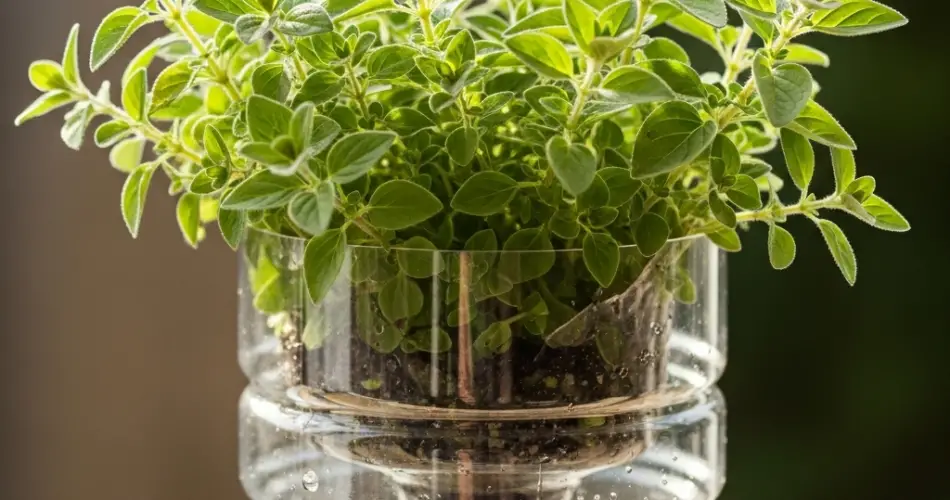
Oregano is a beloved herb in kitchens around the world, adding a robust and aromatic flavor to countless dishes. Beyond its culinary uses, oregano is also valued for its medicinal properties, including antibacterial and antioxidant benefits. Growing oregano at home ensures a fresh and readily available supply, and propagating it is surprisingly easy.
One of the simplest and most resourceful ways to multiply oregano plants is by using recycled plastic bottles. This method is cost-effective, space-saving, and eco-friendly, making it ideal for both beginner gardeners and seasoned herb enthusiasts.
Why Propagate Oregano from Cuttings?
While oregano can be grown from seeds, using cuttings has several advantages:
-
Faster growth: Cuttings establish roots more quickly than seeds germinate.
-
Flavor consistency: The new plant will be identical to the parent in taste and aroma.
-
No need for special tools: All you need is a healthy plant, clean water, and a recycled bottle.
-
Sustainable approach: Repurposing plastic bottles helps reduce waste.
Choosing the Best Oregano Stems
Start with a healthy oregano plant that is free from pests or disease. The ideal stems for cuttings are green, firm, and slightly flexible—around 10–15 cm long. Avoid woody stems or those that are flowering, as they root less effectively.
Select cuttings from the middle or upper part of the plant, where the growth is strong but still tender.
Preparing Your Bottle
A standard 1- to 1.5-liter clear plastic bottle works perfectly. Clear bottles are best because they allow you to monitor root development without disturbing the plant.
Steps to prepare the bottle:
-
Remove the label and wash the bottle thoroughly.
-
Cut the bottle about one-third from the top.
-
If you want a simple rooting container, use just the bottom portion.
-
For a self-watering version, invert the top into the bottom, keeping the cap on but with a small hole or cotton wick to draw water from below.
This design not only conserves water but also provides a steady moisture supply, reducing the need for frequent watering.
Taking and Preparing the Cuttings
-
Cut just below a leaf node, as roots will form most easily here.
-
Trim the cutting to about 10 cm in length.
-
Remove the lower leaves, leaving the top two sets intact to help with photosynthesis while minimizing moisture loss.
-
Optional: Dip the cut end in rooting hormone for faster root growth, though oregano usually roots well without it.
Rooting in Water Using Bottles
Fill the prepared bottle with clean, room-temperature water, enough to submerge the lower leaf nodes but not the leaves themselves. Place the cuttings in the bottle, ensuring that the nodes stay underwater.
Keep the bottle in a warm location with bright, indirect sunlight. Direct sunlight can overheat the water and damage the cuttings, so a bright windowsill or sheltered outdoor area is ideal.
Change the water every two to three days to keep it fresh and prevent bacterial growth. Within one to two weeks, you should see fine white roots beginning to develop.
Transplanting the Rooted Cuttings
Once the roots reach about 5 cm, they are ready for planting in soil. Prepare a pot or garden bed with well-draining soil enriched with compost. Oregano prefers slightly sandy soil that mimics its Mediterranean origins.
Planting steps:
-
Make a small hole in the soil deep enough for the roots.
-
Gently place the cutting in the hole and cover with soil, pressing lightly to secure it.
-
Water thoroughly to help settle the soil around the roots.
-
Keep the plant in partial shade for the first few days before moving it into full sunlight.
Caring for Your Oregano Plant
Oregano is a low-maintenance herb, but giving it the right conditions will maximize its flavor and growth.
-
Sunlight: Full sun is best for strong flavor development, but it can tolerate light shade.
-
Watering: Water moderately, allowing the soil to dry slightly between waterings. Oregano is drought-tolerant once established.
-
Pruning: Regularly trim stems to encourage bushy growth and prevent the plant from becoming leggy.
-
Fertilizing: Light feeding with compost tea or diluted liquid fertilizer every month will keep it thriving.
Continuous Propagation
Once your oregano is established, you can repeat this simple bottle method anytime you want more plants. This is a great way to expand your herb garden or share oregano cuttings with friends and family. By maintaining a few mother plants, you can ensure a constant supply of fresh oregano throughout the year.
Advantages of the Bottle Method
-
Cost-effective: Uses materials you already have at home.
-
Eco-friendly: Gives a second life to plastic bottles.
-
Space-saving: Ideal for small balconies, windowsills, or indoor gardening.
-
Visual progress: Clear bottles make it easy to see root growth without disturbing the plant.
Final Thoughts
Multiplying oregano with recycled bottle techniques is a simple, sustainable, and rewarding way to grow your own herbs at home. With just a few basic steps, you can turn a single stem into a healthy new plant in a matter of weeks. This method is beginner-friendly, requires minimal materials, and produces reliable results.
By using this technique, you not only ensure a fresh supply of oregano for your cooking but also contribute to reducing plastic waste. It’s a win for your garden, your kitchen, and the environment.


