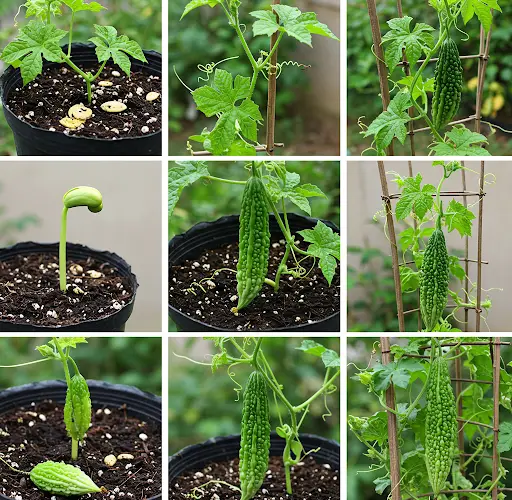
How to Grow Bitter Melon at Home
Bitter melon, also known as bitter gourd or Momordica charantia, is a highly nutritious vegetable popular in Asian, African, and Caribbean cuisines. Recognized for its distinctive bitter flavor and impressive health benefits, bitter melon is easy to grow at home—even in small spaces like patios, balconies, or backyards.
With a climbing vine habit and high productivity, bitter melon is ideal for vertical gardening. This guide walks you through everything you need to know to successfully grow bitter melon at home, from choosing the right variety to harvesting fresh fruits.
Why Grow Bitter Melon at Home?
Growing bitter melon at home offers many benefits:
-
Freshness and flavor: Homegrown fruits taste better and are more nutrient-rich.
-
Pest control: You have better control over what goes into your soil and plants.
-
Space-saving: Bitter melon grows vertically, making it perfect for limited spaces.
-
Medicinal value: Rich in vitamins, minerals, and antioxidants, it supports blood sugar management and immune health.
Best Time to Plant
Bitter melon grows best in warm climates. The ideal planting time is:
-
Spring to early summer in temperate zones
-
Year-round in tropical or subtropical climates
It thrives in temperatures between 75°F and 85°F (24°C to 29°C).
Choosing a Growing Location
Bitter melon loves sunlight. Choose a spot that receives at least 6 to 8 hours of direct sunlight per day.
It can be grown in:
-
Large containers (minimum 12–16 inches deep)
-
Raised beds
-
Grow bags
-
Garden soil with vertical supports
Preparing the Soil
Bitter melon prefers loose, well-draining, fertile soil rich in organic matter.
Ideal soil mix:
-
50% garden soil or loam
-
30% compost or aged manure
-
20% coco peat or coarse sand
Maintain a soil pH between 5.5 and 6.7. Before planting, loosen the soil at least 12 inches deep to allow roots to expand.
Planting Seeds
Bitter melon is best grown from seeds, which germinate in 7–10 days under warm conditions.
Tips for better germination:
-
Soak seeds in warm water for 12–24 hours before sowing.
-
Nick or lightly scratch the seed coat with a nail file to speed up sprouting.
Sowing Instructions:
-
Plant seeds about ½ to 1 inch deep.
-
Space them 12–18 inches apart if planting directly in soil.
-
In containers, sow 2–3 seeds, then thin out the weaker seedlings after germination.
Water gently and keep the soil consistently moist during the germination period.
Trellis and Support
Bitter melon is a vigorous climber. Install a trellis, bamboo teepee, netting, or garden fence as support once seedlings are 8–10 inches tall. Vertical growth:
-
Prevents fruit rot
-
Improves air circulation
-
Makes harvesting easier
-
Saves space
Train the vines upward early on by tying them loosely to the support.
Watering and Fertilizing
Watering:
Keep the soil evenly moist but not soggy. Water deeply 2–3 times per week depending on the weather, and reduce watering during rainy days.
Fertilizing:
-
Apply organic compost or worm castings every 2–3 weeks.
-
Use a balanced liquid fertilizer (like 10-10-10) once a month during the growing period.
-
When flowering begins, switch to a low-nitrogen fertilizer to encourage fruiting.
Flowering and Pollination
Bitter melon produces male and female flowers separately. Bees and other insects naturally pollinate the flowers, but in areas with low pollinator activity, you can hand-pollinate:
-
Identify a male flower (thin stem behind the flower).
-
Use a soft brush or cotton swab to transfer pollen from the male flower to the center of a female flower (which has a small fruit behind it).
Pest and Disease Management
Common pests:
-
Aphids
-
Whiteflies
-
Fruit flies
-
Powdery mildew
Preventative measures:
-
Use neem oil or insecticidal soap weekly.
-
Avoid overwatering.
-
Ensure good air circulation by spacing plants properly.
-
Remove yellowing leaves or infected plant parts promptly.
Harvesting Bitter Melon
Bitter melons are typically ready to harvest 12–16 weeks after planting. Harvest when:
-
The fruit is light green and 4–8 inches long, depending on the variety
-
The skin has a slightly firm texture with visible ridges
-
The fruit is still immature (before it turns yellow or orange)
Use scissors or pruning shears to snip the fruit from the vine, leaving a short stem attached.
Frequent harvesting encourages more fruit production.
Final Growing Tips
-
Mulch the base with dry grass or leaves to retain moisture and suppress weeds.
-
Rotate the pot or adjust trellis position if sunlight is uneven.
-
If growing in containers, refresh the topsoil with compost halfway through the season.
Conclusion
Bitter melon is one of the easiest vegetables to grow vertically, making it perfect for container gardens, patios, or backyard trellises. With minimal effort and regular care, you can enjoy a continuous harvest of this health-boosting vegetable right from your home.
Whether you enjoy it stir-fried, juiced, or curried, there’s nothing like harvesting your own fresh bitter melon. It’s a rewarding way to bring nutritious food into your kitchen while making the most of your available space.


