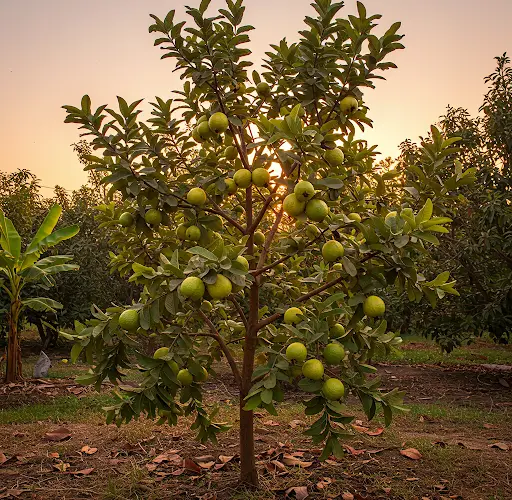
How to Make Your Guava Tree Thrive and Produce Fruit Year-Round
If you have a guava tree at home that just isn’t growing or producing fruit, despite your efforts with fertilizers, don’t worry—you’re not alone. Many people struggle to get their guava trees to bear fruit, but there’s a simple and effective way to boost growth and encourage fruit production. In this article, I’ll show you how to give your guava tree the nutrients it needs to thrive, develop, and produce the fruits you’ve been waiting for. Let’s dive into the process!
The Key to Healthy, Fruitful Guava Trees
The first step in encouraging your guava tree to bear fruit is to understand the right kind of fertilization. While traditional fertilizers are often used, a liquid fertilizer can offer better results. This method will help deliver nutrients directly to the roots and leaves, where it’s most needed, for quicker absorption.
Here’s what you’ll need for this liquid fertilization:
-
15 liters of water
-
500 grams of chicken manure – rich in nitrogen, this will help with leaf growth.
-
500 ml of burned wood ash – this will sweeten the fruits and promote better fruit development.
-
Cow manure – helps with root concentration and provides both macro and micronutrients.
Preparing the Fertilizer
Once you have all your ingredients, mix them together thoroughly in a large container with 15 liters of water. Stir for about 10-12 minutes to ensure all components dissolve properly into the water. Once mixed, let the solution sit in a shaded area for three days. It’s important not to disturb it during this time.
The fermentation process may cause the mixture to have a strong odor, which is normal. After three days, your fertilizer is ready to be used.
Applying the Fertilizer
Once your fertilizer has been prepared, it’s time to apply it to your guava tree. Pour the entire solution around the base of the tree, ensuring that the roots can absorb the nutrients effectively. Make sure to cover the entire root area, as this will give the tree the best chance of absorbing all the nutrients it needs for healthy growth.
Frequency of Fertilization
For optimal results, apply this liquid fertilizer once a month. This will provide consistent nutrients to the guava tree, helping it grow strong, healthy, and ready to produce fruit. By regularly feeding your tree, you’ll see an increase in both the quantity and quality of the fruits it produces.
Additional Tips for Guava Tree Care
Pruning is Essential
Another key aspect of guava tree care is proper pruning. Guava trees, like many fruit trees, require regular pruning to develop strong branches and fruiting ability. If your guava tree is growing wild, overgrown, or looking scraggly, it’s time to give it a trim. Pruning helps improve airflow and sunlight penetration, allowing the tree to grow more vigorously and produce more fruit.
When pruning, focus on removing dead or overgrown branches. A well-pruned guava tree will have more sunlight exposure, which is crucial for fruit production. Make sure your tree gets at least five hours of sunlight every day to stimulate healthy growth and fruiting.
Addressing Pests
If your guava tree is not producing fruit and is being attacked by pests, pruning will also help eliminate hiding spots for insects. Remove any areas where pests might be nesting, and keep the tree well-maintained to prevent infestations. Regularly inspect your tree for pests, and consider using organic treatments if necessary.
The Result of Proper Care
After following these fertilization and care steps, you should begin to see significant improvements in your guava tree. You’ll notice an increase in flower production, and soon, those flowers will turn into delicious fruits. With consistent care, your guava tree will become a productive and healthy plant that produces fruit throughout the year.
In Summary
To get your guava tree to thrive and produce an abundance of fruit, start by using a liquid fertilizer made from chicken manure, burned wood ash, and cow manure. Apply the fertilizer once a month and make sure your tree gets plenty of sunlight and proper pruning. If you follow these steps, your guava tree will flourish, and you’ll have fresh, homegrown guavas for you and your family to enjoy.


