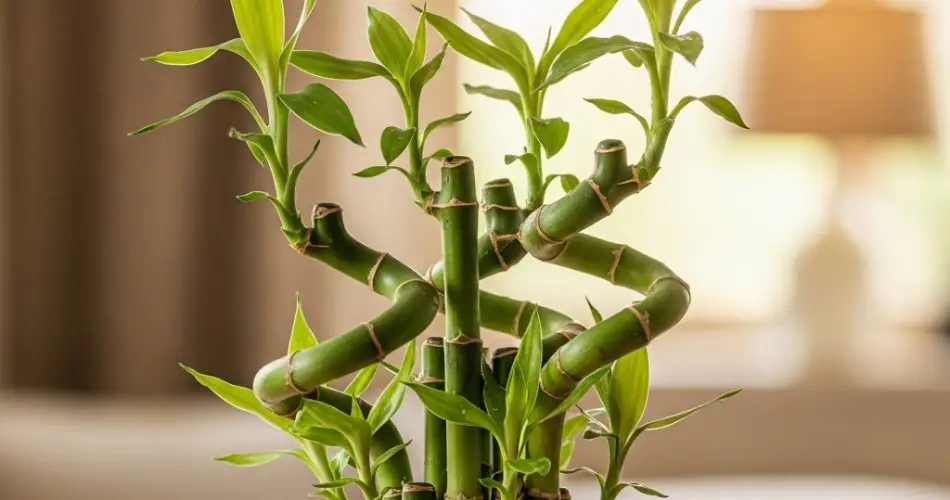
The lucky bamboo (Dracaena sanderiana) is one of the most popular houseplants in Feng Shui and modern interior design. Despite its name, it is not a true bamboo but a resilient plant from the Dracaena family. Its elegant stalks, often arranged in spirals, braids, or clusters, are admired for their beauty and rich symbolism. For centuries, lucky bamboo has been associated with good fortune, harmony, and prosperity, making it a meaningful addition to homes and offices.
Caring for lucky bamboo is simple, yet the way you nurture and place it can greatly influence its symbolic energy. By learning the right care methods and understanding its cultural significance, you can maximize both the health of your plant and the luck it brings to your space.
The Symbolism of Lucky Bamboo
Lucky bamboo holds a special place in Feng Shui because of its connection to the five elements—wood, water, earth, fire, and metal. Each arrangement of stalks also carries its own meaning:
-
Two stalks: Symbolize love and partnership.
-
Three stalks: Represent happiness, wealth, and long life.
-
Five stalks: Associated with health and balance.
-
Eight stalks: Linked to prosperity and growth.
-
Nine stalks: Represent great luck and fulfillment.
Because of these symbolic associations, lucky bamboo is often given as a gift for new homes, businesses, or life events to convey best wishes and blessings.
Placement for Maximum Harmony
Where you place lucky bamboo plays an important role in enhancing its Feng Shui benefits. Proper placement helps maximize the flow of chi, or life energy, in your environment.
-
Southeast corner: Known as the wealth corner, ideal for attracting prosperity.
-
East side of the home: Encourages family harmony and health.
-
Workspaces or desks: Promotes focus, career success, and positive energy at work.
-
Living rooms: Enhances balance and calmness within the household.
It’s best to avoid placing lucky bamboo in bathrooms or directly under intense sunlight, as these areas are not considered harmonious spaces in Feng Shui practice.
Caring for Lucky Bamboo
One of the reasons lucky bamboo is so popular is that it is easy to grow and maintain. With the right care, it can thrive for years, continuing to bring its positive energy into your home.
Water and Growing Medium
Lucky bamboo is often grown in water with decorative stones or in soil. Both methods work well as long as basic needs are met:
-
In water: Keep the roots covered with at least 2–3 inches of clean, filtered water. Change the water every 1–2 weeks to prevent stagnation and bacterial growth.
-
In soil: Use well-draining potting soil and keep it slightly moist. Avoid waterlogging, which can cause root rot.
Always use filtered or distilled water if possible, since tap water with chlorine or fluoride may damage the plant over time.
Light Requirements
Lucky bamboo thrives in bright, indirect light. Too much direct sunlight can scorch its leaves, while too little light may cause slow growth or yellowing. A spot near a window with filtered light or a well-lit corner works best.
Temperature and Humidity
This plant prefers moderate indoor conditions with temperatures between 18–30°C (65–85°F). It also enjoys humidity, making it a great fit for kitchens, bathrooms with indirect light, or living areas with good airflow.
Pruning and Shaping
Lucky bamboo is often shaped into spirals, braids, or tiered towers, which not only add to its beauty but also enhance its symbolism. If your plant grows too tall, simply trim the stalks and replant the cuttings to propagate new plants. Regular pruning keeps the arrangement neat and encourages healthy growth.
Lucky Bamboo as a Gift of Fortune
Because of its symbolism and attractive appearance, lucky bamboo is a popular gift for occasions like weddings, birthdays, housewarmings, or business openings. Giving someone a lucky bamboo arrangement is more than a decorative gesture—it is a wish for happiness, prosperity, and harmony in their life.
Enhancing Energy with Decor
Lucky bamboo is often paired with other Feng Shui elements to strengthen its positive energy. For example, red ribbons can represent fire, small coins tied around the plant symbolize metal, and placing it in a ceramic pot adds the earth element. These touches complete the balance of the five elements and enhance the plant’s ability to attract good fortune.
Conclusion
The lucky bamboo is more than a stylish, low-maintenance houseplant—it is a powerful symbol of luck, harmony, and prosperity. Its resilience, simple care needs, and deep cultural significance make it a favorite choice for those who want to enhance both their environment and their energy flow.
By placing it in the right location, providing proper care, and embracing its symbolic meaning, you can maximize the benefits lucky bamboo brings into your home or office. Whether kept for personal well-being or gifted to loved ones, this plant remains a timeless reminder that growth, balance, and positivity are always within reach.


