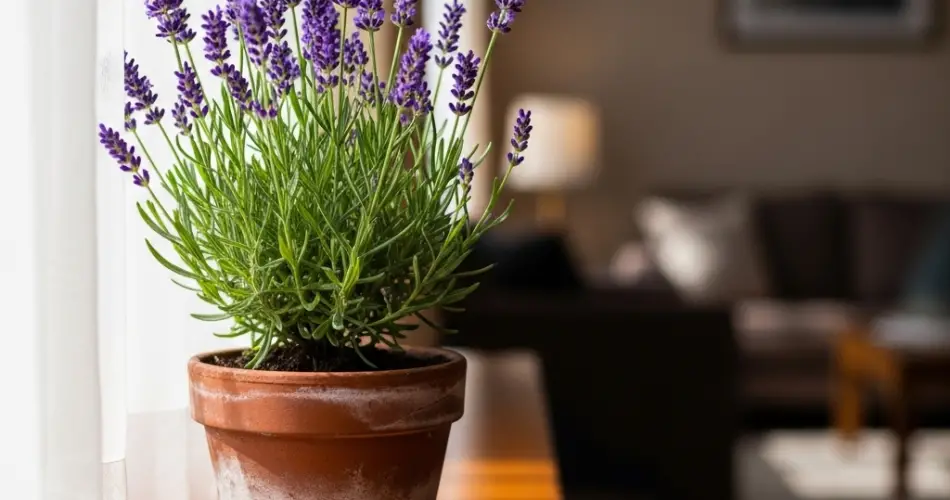
Lavender is one of the most beloved plants across cultures, admired not only for its soothing fragrance and delicate purple flowers but also for its deep symbolic meaning. For centuries, people have associated lavender with healing, spiritual protection, and good fortune. Whether grown in gardens, used in rituals, or placed indoors, this versatile herb continues to carry a reputation as a plant that nurtures the body, mind, and spirit. Understanding the symbolism of lavender allows us to appreciate why it has remained an important part of both traditional practices and modern lifestyles.
Lavender and Healing
One of the strongest symbolic connections to lavender is its association with healing. Historically, lavender has been used in herbal medicine for its calming and restorative properties. The scent of lavender is believed to reduce stress, ease anxiety, and promote restful sleep. This natural ability to soothe the mind has elevated lavender to a symbol of emotional balance and inner peace.
In many cultures, lavender flowers and oils were used in rituals to purify both physical spaces and the human spirit. Ancient Romans, for example, added lavender to their baths to cleanse the body and restore vitality. During the Middle Ages, lavender was placed in sickrooms to protect against illness and promote faster recovery. Even today, lavender essential oil is a staple in aromatherapy, often associated with relaxation and holistic wellness.
Symbolically, lavender represents the healing of both physical ailments and emotional wounds. It reminds us that true health encompasses not just the absence of disease but also a sense of calm and harmony within. By keeping lavender nearby—whether in dried bundles, essential oils, or as a garden plant—many believe its energy encourages a state of healing and well-being.
Lavender as a Symbol of Protection
Beyond healing, lavender has long been regarded as a protective plant. Folklore and traditions often describe it as a powerful guardian against negativity and harm. In ancient times, lavender was hung above doorways or burned as incense to ward off evil spirits. Farmers in Europe once planted lavender around their homes to protect families from misfortune and to drive away unwanted energies.
The plant’s protective symbolism also extends to the heart and mind. Its calming fragrance is believed to shield people from stress, anger, or emotional turbulence. Carrying lavender or placing it in bedrooms was thought to bring peace, ensuring that negative emotions or nightmares could not disturb one’s rest.
In spiritual practices, lavender continues to be used in rituals of cleansing and protection. Its purple blossoms are often linked to the crown chakra in Eastern traditions, symbolizing spiritual awareness and higher consciousness. This connection reinforces the idea that lavender not only protects the body and home but also serves as a guardian of the soul, keeping one aligned with positive energy.
Lavender and Luck
Lavender also carries a reputation as a plant that brings luck and prosperity. Many cultures believed that planting lavender near the home attracted good fortune, love, and happiness. In folklore, carrying a sprig of lavender in a pocket was thought to invite opportunities, wealth, or even romance. Brides often wore lavender or carried it in bouquets as a symbol of fidelity and luck in marriage.
The plant’s association with luck is closely tied to its vibrant appearance and uplifting fragrance. The soft purple blooms symbolize grace, elegance, and abundance. Their presence is thought to attract positive energy while driving away misfortune. This dual effect—removing negativity while inviting blessings—explains why lavender remains a popular choice in homes, gardens, and even workplaces.
In modern times, lavender is still seen as a plant that brings balance and good energy. Many people keep it in their homes to attract peace and harmony, believing that a touch of lavender helps create an atmosphere where good fortune can thrive.
Why Lavender Endures as a Symbolic Plant
Lavender’s symbolism of healing, protection, and luck has endured for centuries because of the plant’s real-world benefits combined with its spiritual reputation. Unlike some symbolic plants that are primarily used in rituals, lavender offers practical uses that reinforce its meaning. Its ability to calm the mind, protect against stress, and bring beauty into a space makes it a natural choice for anyone seeking both physical and emotional well-being.
The plant’s purple color also strengthens its symbolism. In many cultures, purple is a color of wisdom, spirituality, and royalty. Lavender’s gentle shade represents serenity and higher awareness, further connecting it to concepts of healing and divine protection.
Whether used in herbal remedies, spiritual practices, or simply grown as a decorative plant, lavender continues to symbolize comfort, safety, and blessings. Its enduring presence across generations shows how natural elements can hold both practical and symbolic value.
Conclusion
Lavender is far more than a fragrant garden plant—it is a timeless symbol of healing, protection, and luck. Its calming essence has been cherished for centuries, offering comfort to the mind and body. As a protective herb, it serves as a shield against negativity, while its reputation for attracting good fortune makes it a plant of blessings and prosperity.
By keeping lavender in your garden, home, or daily rituals, you not only enjoy its beauty and fragrance but also connect with the deeper meanings it has carried throughout history. Lavender reminds us of the power of nature to heal, protect, and invite good fortune, making it a truly special plant for all who welcome it into their lives.


